
- Category
- Cables, Chargers & Power
- Country
- Australia
- Catalogue products
- 1061
- Products with prices
- 857
- Retailer count
- 8
- Min price (AUD)
- $1.95
- Max price (AUD)
- $2686.40
Cables, Chargers & Power in Australia
1061 products in the catalogue · 857 with prices across 8 retailers from $2 to $2686.
Cables, chargers, and power accessories in Australia typically range from $10 for basic USB-C leads to over $300 for high-capacity portable power stations. Major retailers stocking these essential components include JB Hi-Fi, Officeworks, and Harvey Norman, ensuring widespread availability across the country. Whether you are looking for GaN wall chargers, heavy-duty extension leads, or solar-compatible power banks, our platform simplifies the search process. By consolidating real-time pricing from across the web, we help you identify the most competitive offers currently available. Our price history tool allows you to verify whether a current discount is genuine or if the item has been cheaper previously, ensuring you never overpay for your tech essentials. At WhatsCheap, we strip away the marketing noise to focus on what matters: finding the right cable or charger at the lowest possible price. By comparing thousands of listings, we empower Australian consumers to make informed purchasing decisions based on hard data rather than promotional hype. Our goal is to provide a transparent view of the market, helping you navigate the vast array of power solutions available today while saving you time and money on every transaction.Read cables, chargers & power buying guideHide cables, chargers & power buying guide
Top Cables, Chargers & Power Products
View All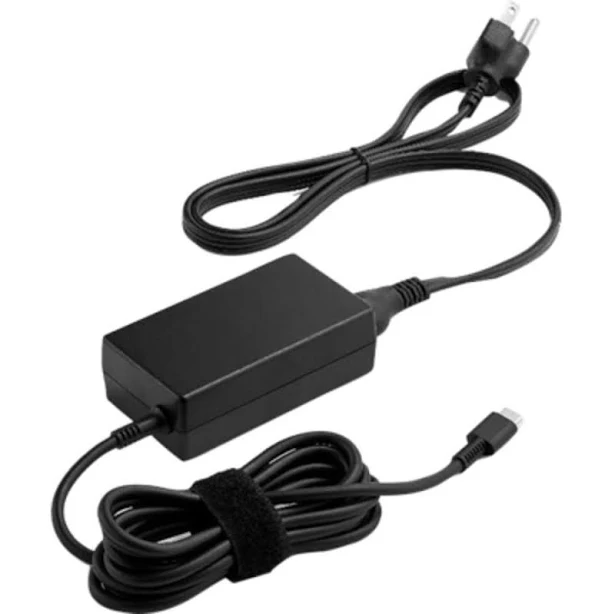
HP 65W USB-C Laptop Charger
4.2(19)
From
$35.00
Across 21 retailers

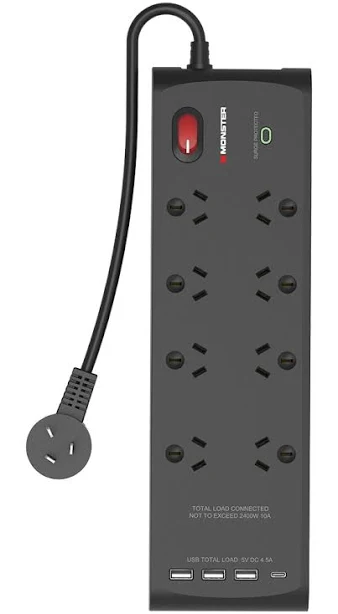
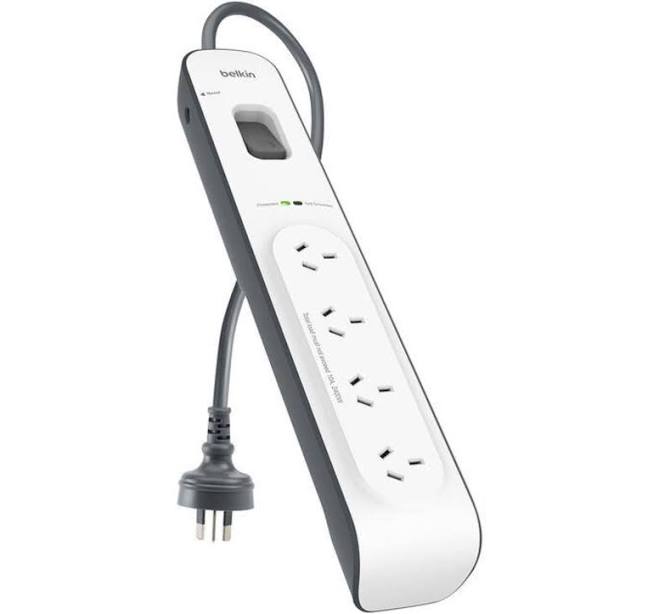
Belkin 4 Port Surge Protector (2M Cord)
4.8(108)
From
$32.95
Across 18 retailers

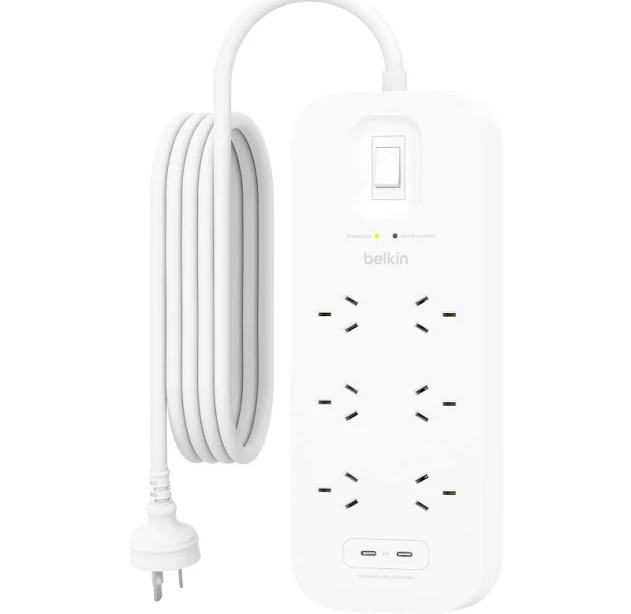
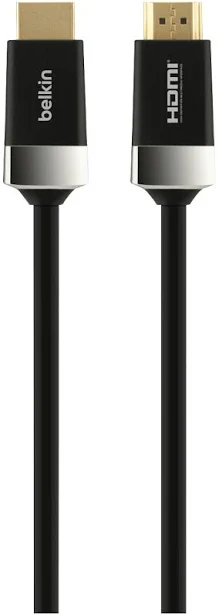
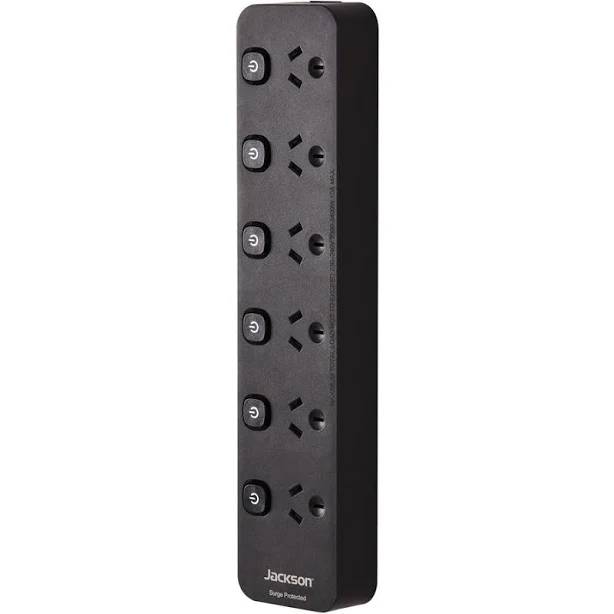

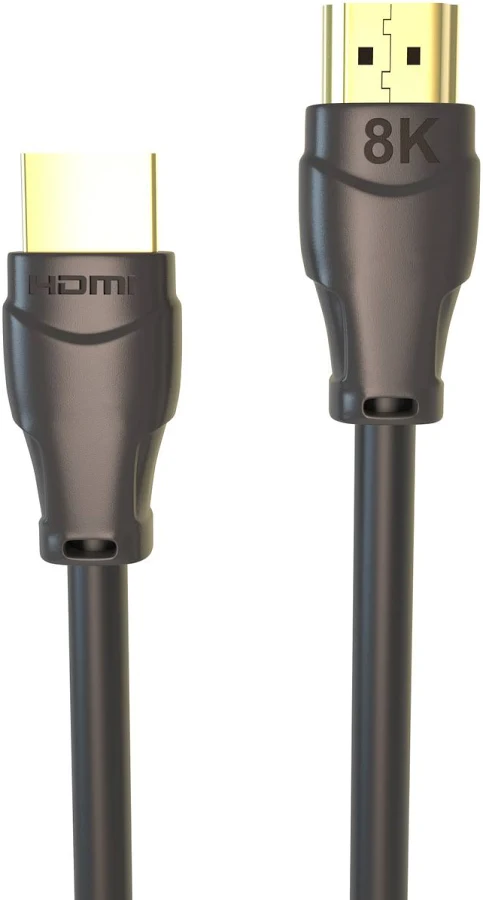
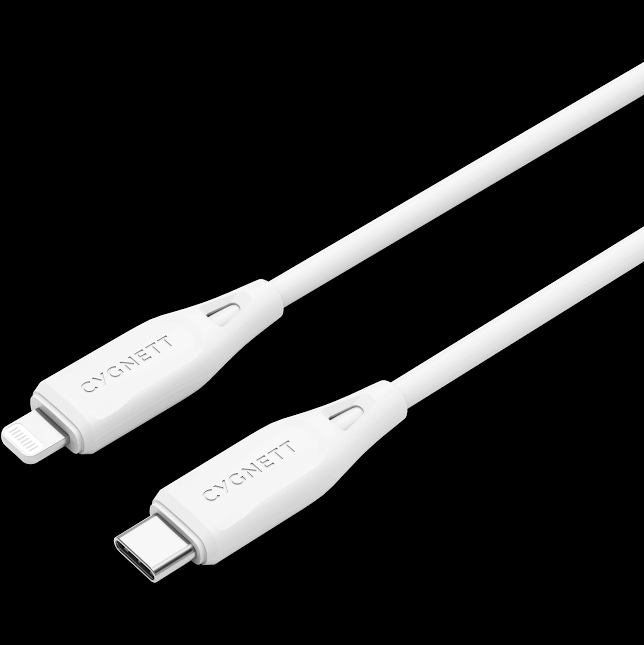
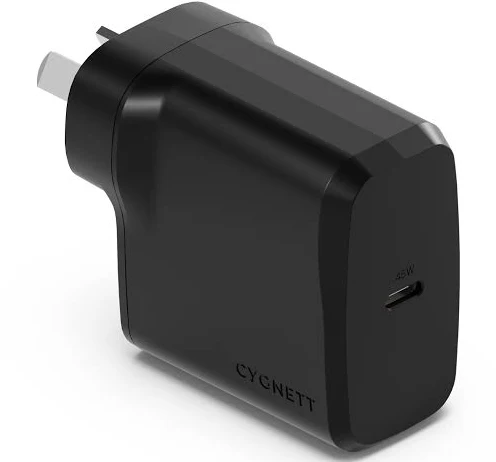
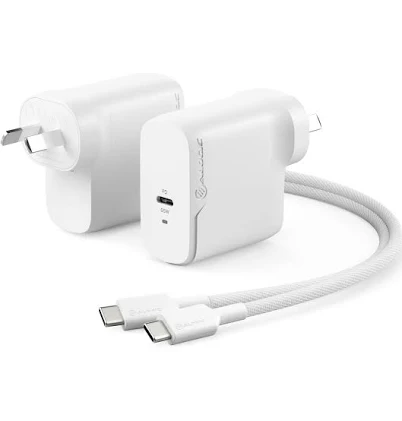
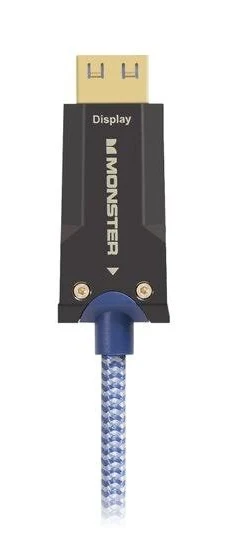
Monster M3000 UHS Active Optical HDMI Cable 30m
No reviews yet
From
$292.60
Across 15 retailers
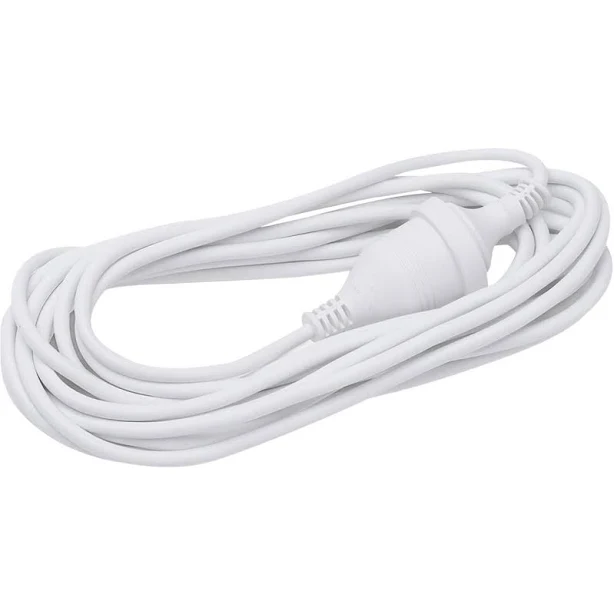
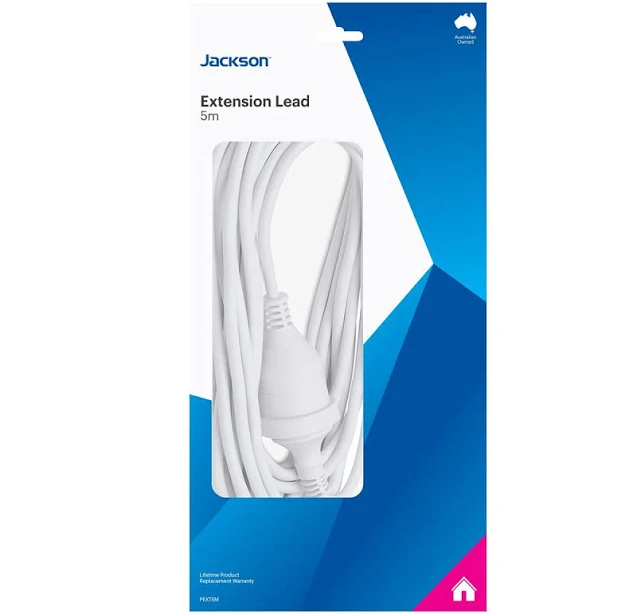
Jackson 3 Metre Power Extension Lead
No reviews yet
From
$8.72
Across 14 retailers
Australian Market Context
According to the IBISWorld report on Electronic Goods Retailing in Australia, the sector has seen consistent demand driven by the rapid proliferation of mobile devices and home office upgrades. The market for power accessories is valued in the hundreds of millions of dollars annually, reflecting a high replacement frequency for cables and chargers due to wear and tear. Consumer spending in this category exhibits distinct seasonal patterns, with significant spikes during the November Black Friday sales period and the end-of-financial-year (EOFY) promotions in June. Retailers often clear inventory during these windows to make way for updated charging standards, such as the transition to USB-C universal charging. Furthermore, the Australian market is heavily influenced by the adoption of remote work, which has sustained demand for high-wattage power delivery chargers and multi-port power boards. Retailers have responded by expanding their ranges to include more sustainable and durable braided cables, catering to a consumer base that is increasingly conscious of product longevity. These cyclical patterns are essential for shoppers to monitor, as price fluctuations are most pronounced during these high-volume retail events, often resulting in savings of up to 40% on premium charging hardware compared to standard retail pricing throughout the rest of the year.
Where to Buy Cables, Chargers & Power — Price Comparison
| Retailer | Products tracked | Price range |
|---|---|---|
| JB Hi-Fi | 439 | $1.95 – $2482.00 |
| eBay | 383 | $3.95 – $999.00 |
| BIG W | 354 | $4.00 – $2571.25 |
| Woolworths | 324 | $4.00 – $2482.00 |
| Kogan.com | 237 | $7.37 – $1295.00 |
| Dick Smith AU | 233 | $9.95 – $2686.40 |
| Harvey Norman | 138 | $9.00 – $1299.95 |
| digiDirect Australia | 119 | $4.17 – $199.00 |
Buying Cables, Chargers & Power in Australia: What to Know
When purchasing power equipment in Australia, timing your acquisition with major sales events is the most effective way to secure a lower price. Key periods include Click Frenzy in May and November, EOFY sales in June, and the traditional Boxing Day sales in December. When selecting chargers and power boards, ensure they comply with Australian Standards (AS/NZS 3112), which dictates the specific plug configuration and safety requirements for our 230V/50Hz electrical grid. Avoid purchasing uncertified imports from overseas marketplaces, as these may lack the necessary thermal protection and surge suppression required for local conditions. For cables, look for 'MFi' certification if you are an Apple user, as this ensures compatibility and prevents 'accessory not supported' errors. Consider the wattage requirements of your devices; a laptop typically requires a Power Delivery (PD) charger of at least 65W, whereas smartphones may only need 20W to 30W. For outdoor power needs, ensure any extension leads or power boards are IP-rated for moisture resistance, as the Australian climate can be harsh on exposed electrical components. Always check the cable length and gauge; thicker cables generally handle higher power loads more safely and are less prone to internal breakage over time.
Common Questions
Are cheap USB-C cables safe to use with my devices in Australia?
While many inexpensive cables are functional, they often lack the internal shielding and quality control of branded alternatives. In Australia, it is recommended to look for cables that meet local safety standards and have appropriate certifications. Cheap, uncertified cables may not support fast-charging protocols, leading to slower charge times, or worse, they could cause overheating. If a cable feels flimsy or the connectors do not fit snugly, it is safer to avoid using it, as poor-quality wiring can potentially damage the charging port of your expensive smartphone or laptop.
What does 'GaN' mean when buying a charger?
GaN stands for Gallium Nitride, a semiconductor material that is replacing traditional silicon in modern chargers. GaN chargers are significantly more efficient, allowing them to be smaller, lighter, and run cooler while delivering higher power output. For Australian consumers, this is particularly beneficial for travel or compact home office setups where space is limited. When choosing a charger, a GaN model is generally the superior choice for high-wattage devices like laptops, as it provides a more stable power delivery and improved energy efficiency compared to older, bulkier silicon-based chargers.
Do I need a surge protector for my electronics in Australia?
Yes, using a surge protector is highly recommended for sensitive electronics like computers, televisions, and gaming consoles. Australia’s electrical grid can experience voltage spikes during storms or due to grid fluctuations. A quality surge-protected power board acts as a sacrificial barrier, diverting excess voltage away from your devices. When purchasing, check for the 'joule rating'—a higher rating indicates better protection. Ensure the board is certified to Australian Standards, as this guarantees it has been tested to handle the specific electrical loads and safety requirements of our 230V power system.
How do I know if a charger is compatible with my Australian wall socket?
All chargers sold by reputable Australian retailers are designed for our standard Type I wall outlets, which use the three-flat-pin configuration. If you are buying a charger from an international website, be extremely cautious. Many overseas chargers use different plug types or operate on different voltages (e.g., 110V in the US). Using an incompatible charger with an adapter can be dangerous and may lead to fire hazards or permanent damage to your equipment. Always verify that the charger is rated for 230V-240V and features the Australian RCM (Regulatory Compliance Mark) logo.
What is the difference between a power bank and a portable power station?
The primary difference is capacity and output. A power bank is a compact, portable battery designed to charge mobile devices like phones and tablets on the go, usually via USB. A portable power station is a much larger unit, often featuring AC outlets, DC ports, and USB-C PD ports. These are designed to power larger appliances, such as camping fridges, laptops, or even small tools during a blackout. In Australia, power stations are increasingly popular for camping and emergency preparedness, offering a reliable, silent alternative to petrol-powered generators.