

Franke Mythos Single Bowl Sink
No reviews yet
From
$920.00
Across 20 retailers

638 products in the catalogue · 529 with prices across 8 retailers from $4 to $4179.
No reviews yet
From
$920.00
Across 20 retailers


No reviews yet
From
$2127.00
Across 18 retailers


From
$99.00
Across 15 retailers


No reviews yet
From
$865.00
Across 15 retailers


From
$26.97
Across 14 retailers

From
$29.97
Across 14 retailers
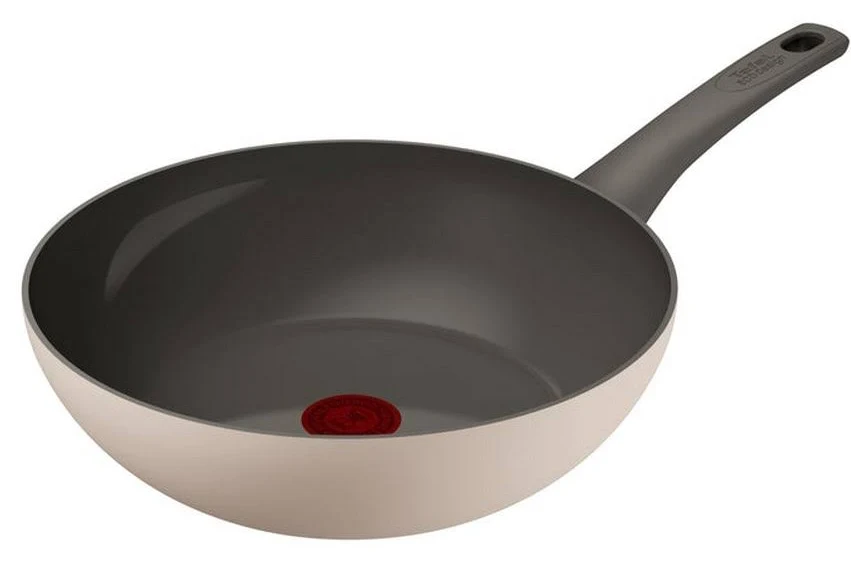
From
$89.00
Across 14 retailers

From
$94.00
Across 14 retailers

From
$99.00
Across 14 retailers
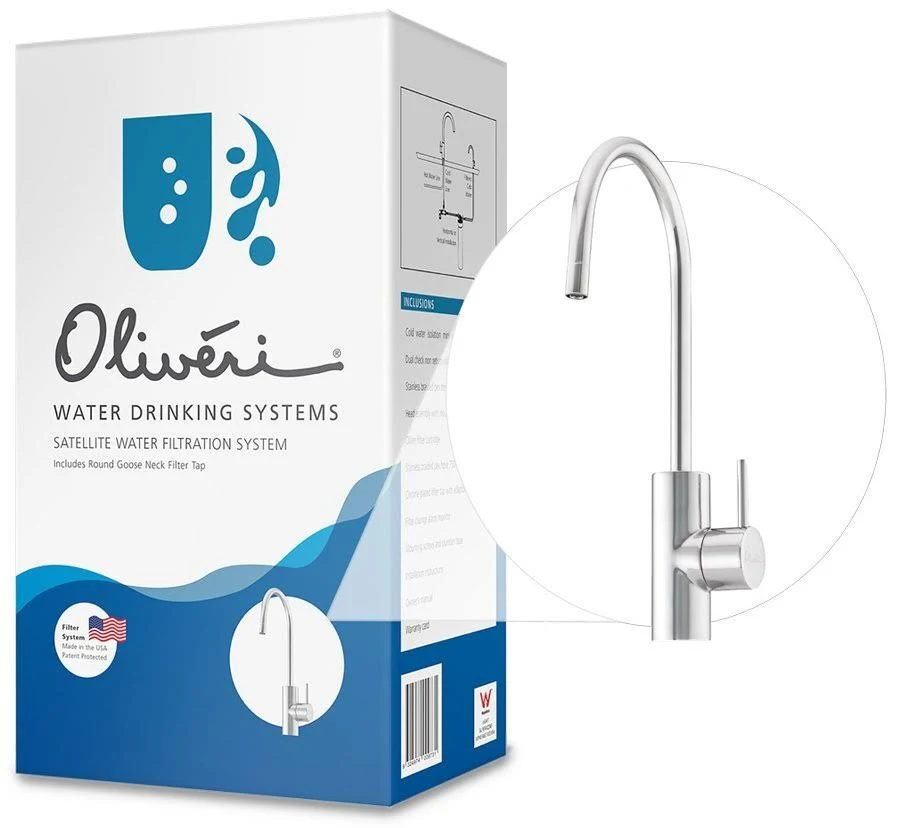

From
$229.00
Across 14 retailers


No reviews yet
From
$1989.00
Across 14 retailers
According to the latest IBISWorld industry report on household appliance retailing in Australia, the sector generates approximately $8.5 billion in annual revenue. This market is heavily influenced by the Australian housing cycle, where new residential completions drive demand for integrated kitchen appliances, such as dishwashers and rangehoods. Retail activity follows distinct seasonal patterns, with significant spikes in consumer spending observed during the mid-year and end-of-year sales periods. The Australian market is also characterized by a high penetration of smart-home technology, with consumers increasingly prioritising energy-efficient appliances that comply with local Minimum Energy Performance Standards (MEPS). Retailers often adjust inventory levels in anticipation of these cyclical peaks, leading to aggressive pricing strategies during the transition between older and newer model releases. Furthermore, the shift toward online shopping continues to reshape the competitive landscape, forcing traditional brick-and-mortar retailers to offer more competitive omnichannel pricing to maintain market share against pure-play e-commerce competitors.
| Retailer | Products tracked | Price range |
|---|---|---|
| The Good Guys | 189 | $6.00 – $4179.00 |
| eBay | 127 | $9.95 – $2517.08 |
| Amazon AU | 126 | $16.79 – $570.61 |
| Harvey Norman | 99 | $6.50 – $4140.35 |
| Woolworths | 93 | $3.50 – $1070.00 |
| Appliances Online Australia | 90 | $71.00 – $3760.00 |
| Bing Lee Electrics | 85 | $24.00 – $3899.00 |
| BIG W | 84 | $4.00 – $1070.00 |
When purchasing kitchen appliances in Australia, timing is critical to securing the best value. Major shopping events such as the End of Financial Year (EOFY) sales in June, Click Frenzy in May and November, Black Friday in late November, and the traditional Boxing Day sales in December are the optimal times to buy. When selecting electrical appliances, always verify that the product is certified for the Australian market, specifically requiring 230V-240V and 50Hz power standards to ensure safety and compatibility with local electrical infrastructure. Key features to consider include energy star ratings, which are mandatory for many whitegoods and help estimate long-term running costs in the Australian climate. Common pitfalls include purchasing imported products that lack local warranty support or failing to check dimensions for standard Australian cabinetry, which often differ from European or American specifications. Always prioritize appliances with local service networks, as parts availability can be a significant issue for non-standard or obscure brands. Researching the specific model number on price history tools can prevent falling for 'fake' discounts where the base price is artificially inflated before a sale.
In Australia, all electrical appliances must operate on a 230V-240V, 50Hz power supply. When buying imported goods from international websites, ensure the product is specifically manufactured for the Australian market. Using an appliance with incorrect voltage can cause damage to the device, pose a significant fire risk, and void your manufacturer's warranty. Always look for the RCM (Regulatory Compliance Mark) on the product or packaging, which indicates that the item meets Australian safety and electromagnetic compatibility standards.
The cheapest time to buy kitchen appliances in Australia is during major retail events like the EOFY sales in June, Black Friday in November, and Boxing Day in December. Retailers often clear out older stock to make room for new models during these periods, leading to significant price drops. Click Frenzy events in May and November also offer competitive online-only deals. Tracking the price history of a specific model allows you to see if a current sale price is genuinely lower than the average market rate.
Yes, energy star ratings are crucial in Australia as they provide a standardized way to compare the energy efficiency of appliances like refrigerators, dishwashers, and washing machines. A higher star rating indicates better energy efficiency, which directly translates to lower electricity bills over the life of the appliance. Given the rising cost of energy in Australia, investing in a higher-rated appliance often results in long-term savings that offset a higher initial purchase price. Always check the official energy label before buying.
Australian kitchen cabinetry is typically built to standard dimensions, but it is essential to measure your space accurately before purchasing built-in appliances like ovens, dishwashers, or cooktops. Always refer to the manufacturer's 'cut-out' dimensions rather than the external dimensions of the unit. It is also wise to account for ventilation gaps required by the manufacturer to prevent overheating. If you are replacing an existing appliance, check the dimensions of the current unit, but do not assume a new model will be an identical fit.
Purchasing kitchen appliances from overseas retailers often means you will not be covered by an Australian manufacturer's warranty. Many global brands restrict their warranty coverage to the country of purchase. If the product fails, you may be responsible for the cost of international shipping for repairs or replacements, which is often prohibitively expensive. To ensure full consumer protection under Australian Consumer Law, it is highly recommended to purchase from authorised Australian retailers who provide local support and warranty service.