

Oral B Vitality Kids Stages Refill Frozen
4.8(356)
From
$8.79
Across 18 retailers

1681 products in the catalogue · 1363 with prices across 8 retailers from $3 to $2902.
From
$8.79
Across 18 retailers

From
$79.00
Across 18 retailers


From
$80.91
Across 17 retailers


From
$77.00
Across 16 retailers


From
$72.00
Across 15 retailers

From
$102.00
Across 15 retailers

From
$123.99
Across 15 retailers


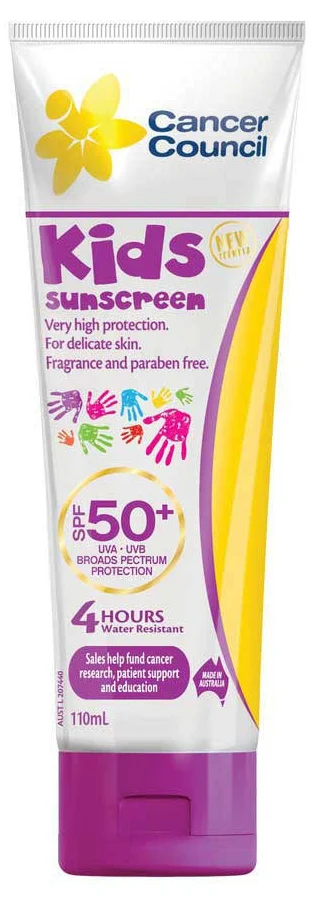
From
$7.74
Across 14 retailers

From
$9.49
Across 14 retailers

From
$14.30
Across 14 retailers

From
$14.99
Across 14 retailers

From
$17.99
Across 14 retailers

From
$18.00
Across 14 retailers

From
$18.49
Across 14 retailers

From
$18.71
Across 14 retailers

From
$30.00
Across 14 retailers

From
$39.96
Across 14 retailers

From
$39.99
Across 14 retailers
According to an IBISWorld industry report, the Australian fitness equipment retailing market generates approximately $1.2 billion in annual revenue. This sector has experienced significant shifts following the pandemic, with a sustained increase in consumer demand for home-based training solutions. Market growth is heavily influenced by seasonal cycles, with retailers typically reporting a substantial surge in sales during the 'New Year, New You' period in January. Furthermore, the Australian retail landscape sees secondary demand spikes during the winter months when outdoor exercise becomes less appealing due to colder temperatures in southern states. Retailers often adjust their inventory levels to align with these cyclical patterns, frequently clearing out older models to make room for new stock. The market is also characterized by a shift toward integrated technology, where fitness equipment now frequently includes digital connectivity features. Understanding these market dynamics is essential for consumers, as pricing often correlates with these seasonal inventory cycles. By observing these trends, shoppers can better anticipate when retailers are likely to discount specific categories, such as cardio machines or heavy strength equipment, to manage warehouse space and improve inventory turnover rates throughout the fiscal year.
| Retailer | Products tracked | Price range |
|---|---|---|
| eBay | 668 | $4.32 – $2800.00 |
| JB Hi-Fi | 621 | $5.00 – $1599.00 |
| BIG W | 492 | $2.50 – $2902.28 |
| Woolworths | 467 | $3.00 – $2902.28 |
| Kogan.com | 373 | $2.99 – $1879.00 |
| Dick Smith AU | 338 | $3.81 – $1879.00 |
| Harvey Norman | 272 | $6.00 – $2199.00 |
| Chemist Warehouse | 259 | $2.74 – $2199.00 |
When purchasing health and fitness equipment in Australia, timing your acquisition is critical to securing value. Major savings are consistently found during the End of Financial Year (EOFY) sales in June, Black Friday in November, and the traditional Boxing Day sales in December. Additionally, Click Frenzy events in May and November often feature significant discounts on fitness technology and home gym setups. When evaluating products, ensure that all electrical equipment complies with Australian standards, specifically 230V/50Hz power requirements, to avoid compatibility issues. For outdoor gear, consider the impact of Australia’s harsh UV climate on material longevity; look for UV-resistant coatings on equipment intended for backyard use. A common pitfall is failing to account for shipping costs on heavy items like weight benches or treadmills, which can negate the savings found on the base price. Always verify the total landed cost, including delivery to your specific postcode, before finalizing a purchase. Furthermore, check the warranty terms provided by the local distributor, as manufacturer warranties can sometimes differ from international versions. Prioritizing equipment with readily available spare parts in Australia will also ensure your investment remains functional for years to come, rather than becoming obsolete due to a lack of local support.
In Australia, the best times to purchase gym equipment are during major retail events like Black Friday in November, Boxing Day in December, and the End of Financial Year (EOFY) sales in June. Retailers often clear out existing stock during these periods to make room for new models. Additionally, Click Frenzy events in May and November frequently offer competitive pricing on smaller fitness accessories and wearable technology. Planning your purchase around these dates can often save you between 20% and 40% compared to standard retail pricing.
Yes, it is vital to verify that any electronic fitness equipment, such as treadmills or smart exercise bikes, is compatible with Australian power standards. Australia uses a 230V/50Hz electrical system. If you purchase equipment from international retailers, it may be designed for different voltages, which can damage the device or pose a fire risk if used with an incorrect adapter. Always check the product specifications for 'AU plug' or '230V' compatibility to ensure the item is safe and ready for immediate use in your home.
The most effective way to determine if a price is a genuine deal is to use a price history tracker. Many retailers use 'anchor pricing,' where they inflate the original price to make a discount appear larger than it is. By viewing the price history of a product over the past six to twelve months, you can see the true lowest price point. If the current sale price is significantly higher than the historical low, it may be worth waiting for a deeper discount during a major sales event.
Brands with established Australian distribution networks generally offer superior warranty support. When buying, look for manufacturers that have local service centers or authorized repair partners within Australia. This ensures that if a part fails, you can access repairs or replacements without needing to ship the item internationally, which is often prohibitively expensive. Always read the specific warranty terms provided by the Australian retailer, as these can sometimes differ from the global warranty provided by the manufacturer on their international websites.
Australia's high UV index and extreme temperature fluctuations can degrade fitness equipment left outdoors. If you are purchasing items like pull-up bars, outdoor benches, or heavy-duty mats, look for materials specifically rated for UV resistance and rust prevention, such as powder-coated steel or high-density polyethylene. Avoid cheap plastics that may become brittle and crack under direct sunlight. Additionally, ensure the equipment is properly anchored to withstand high winds, which are common in many Australian regions, to prevent damage to your property or the equipment itself.