
- Category
- Home Appliances
- Country
- Australia
- Catalogue products
- 5401
- Products with prices
- 4726
- Retailer count
- 8
- Min price (AUD)
- $3.10
- Max price (AUD)
- $18999.00
Home Appliances in Australia
5401 products in the catalogue · 4726 with prices across 8 retailers from $3 to $18999.
Home appliances in Australia typically range from $150 for entry-level kitchen essentials to over $5,000 for premium refrigeration and laundry systems. Major retailers such as JB Hi-Fi, The Good Guys, and Harvey Norman dominate the market, stocking thousands of individual product lines across the country. Whether you are upgrading a single kettle or outfitting an entire kitchen, navigating the sheer volume of available products can be time-consuming. We simplify this process by aggregating real-time pricing and historical cost data, allowing you to identify genuine discounts rather than inflated sale prices. By providing a transparent view of market fluctuations, we help Australian households make informed purchasing decisions that align with their budget. Our service removes the guesswork from shopping by highlighting when prices are at their lowest, ensuring you never overpay for your household essentials. With our comprehensive price history tools, you can track the cost of specific items over time, giving you the confidence to buy when the market is most favourable. We are committed to providing the data you need to save money on your next home appliance purchase.Read home appliance buying guideHide home appliance buying guide
Top Home Appliances Products
View All
Hot-22%
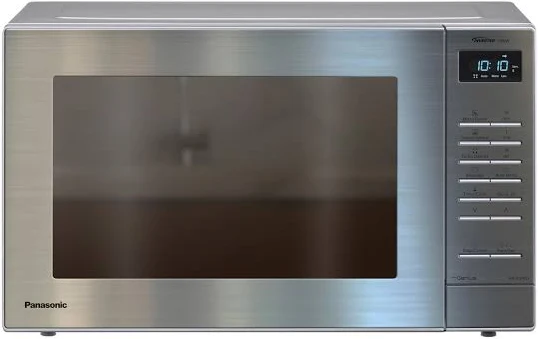
Panasonic 32L 1100W Microwave Metal
4.8(211)
From
$342.00
Across 17 retailers

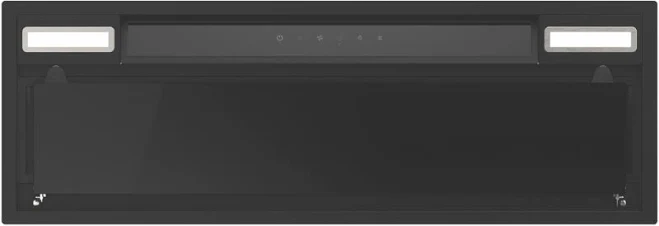
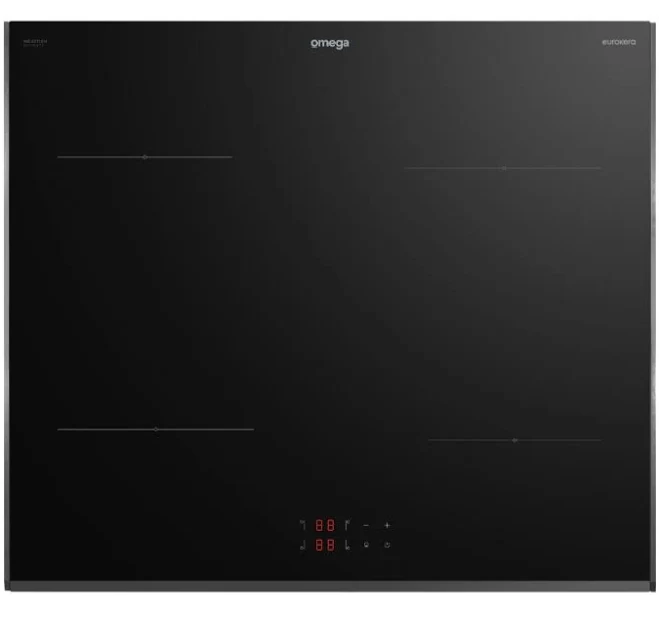
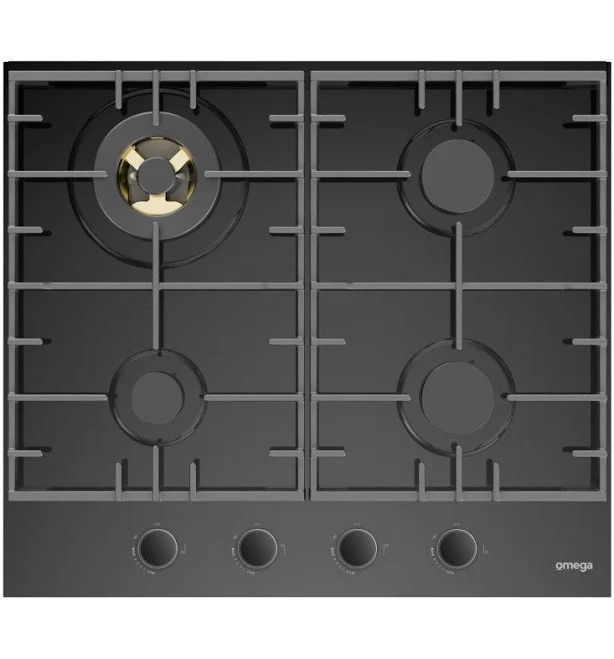
Omega 60cm Induction Cooktop
No reviews yet
From
$474.00
Across 17 retailers


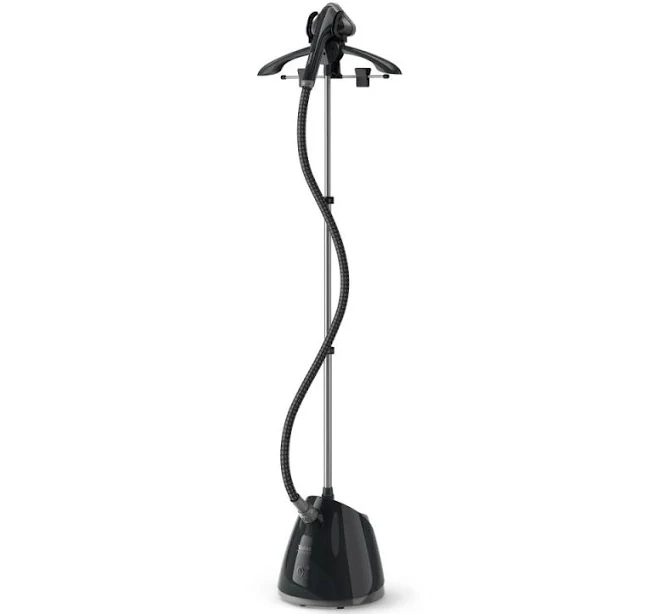
Tefal Pro Style One Garment Steamer
3.4(147)
From
$94.00
Across 16 retailers
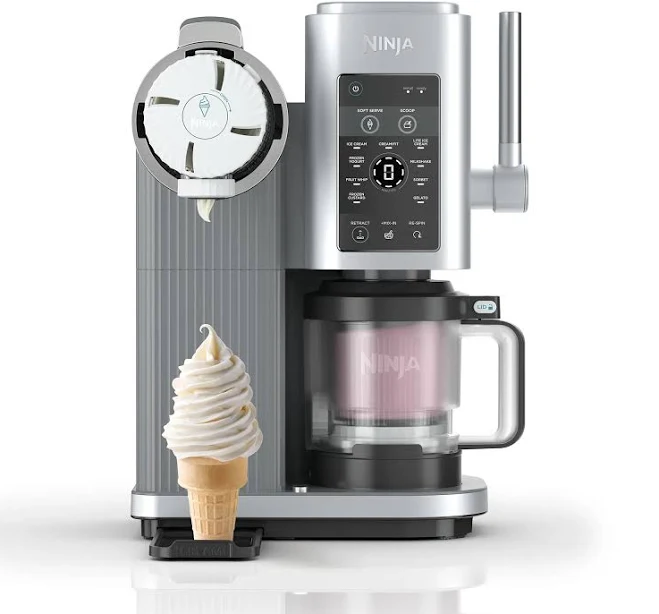
Ninja Swirl By Creami
4.5(1K)
From
$388.00
Across 16 retailers

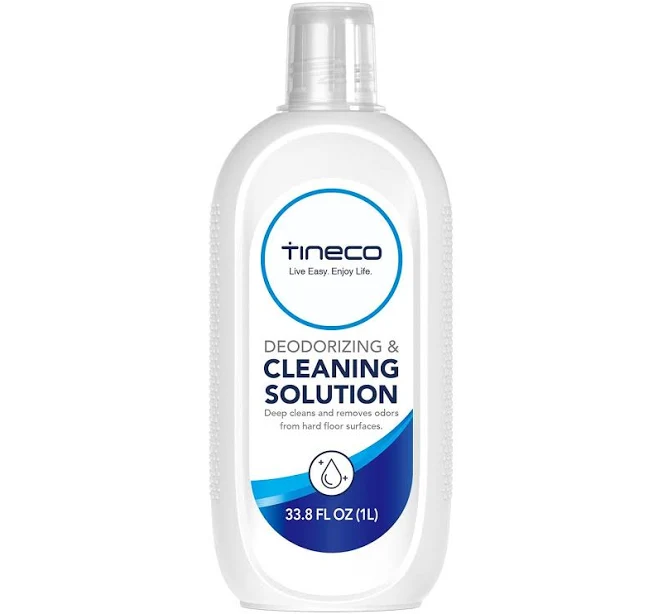
Tineco Cleaning Solution 1L
4.8(187)
From
$26.00
Across 15 retailers
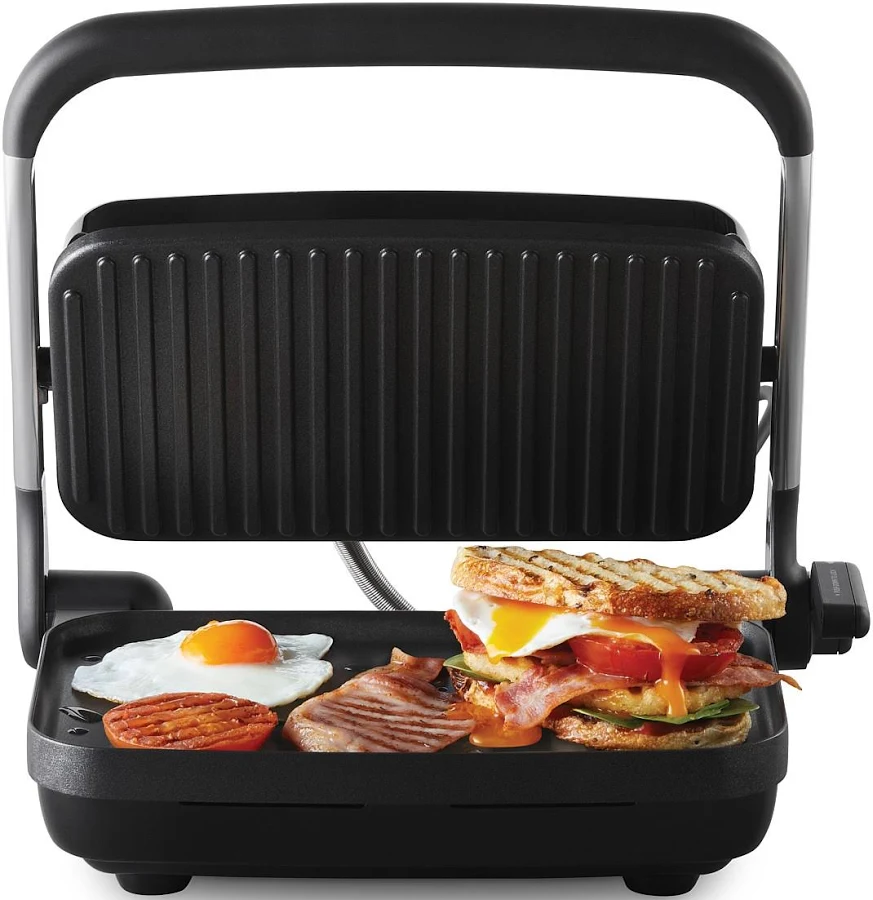
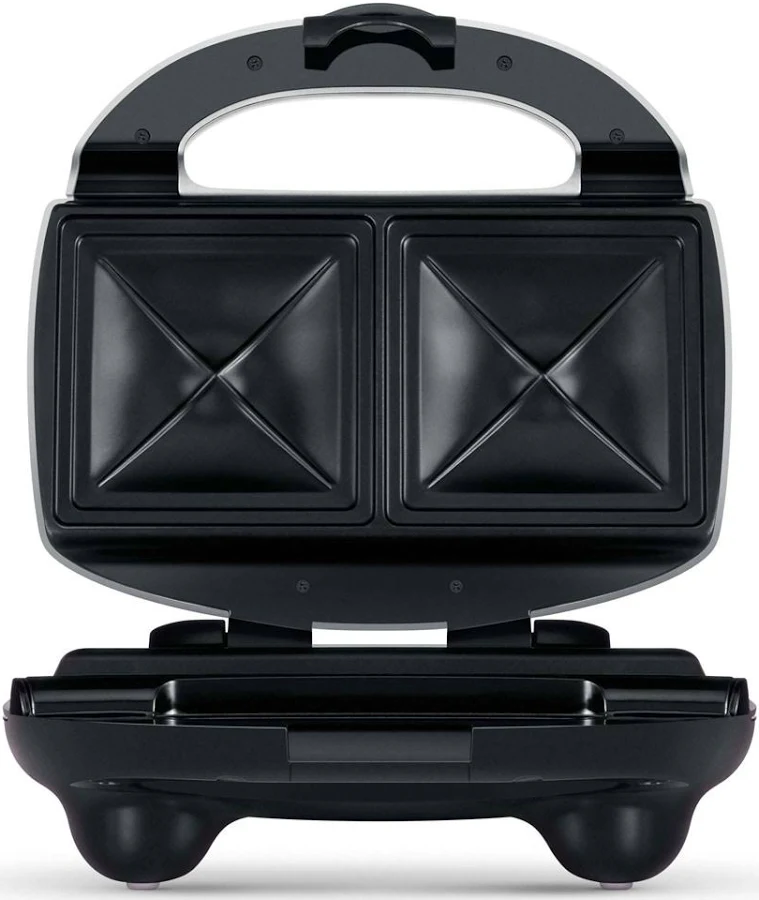
Breville the Big One Toastie Maker
4.7(648)
From
$59.00
Across 15 retailers
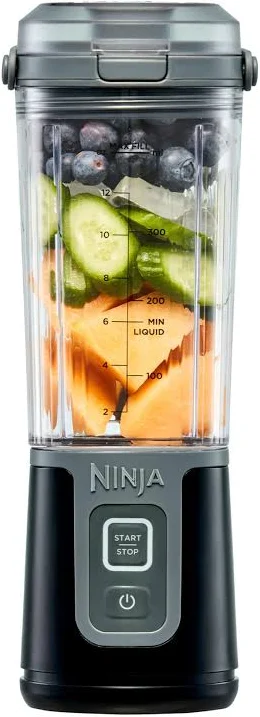
Ninja Blast Portable Blender Black
4.3(7K)
From
$72.75
Across 15 retailers
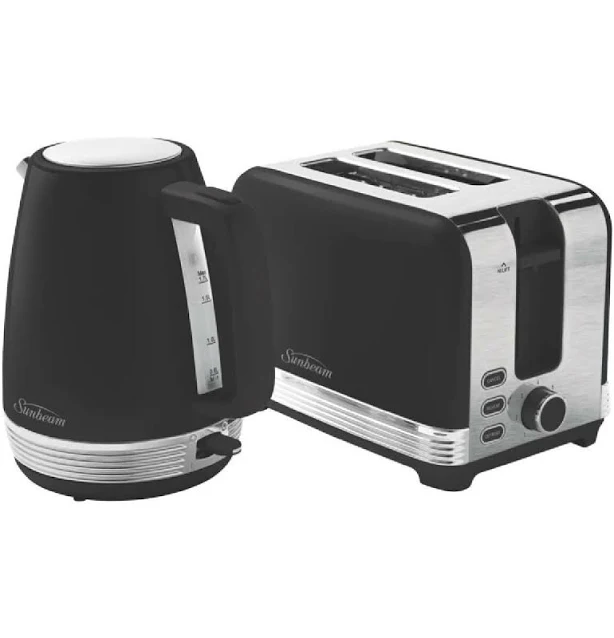
Sunbeam Chic Breakfast Pack - Black
4.6(416)
From
$92.00
Across 15 retailers
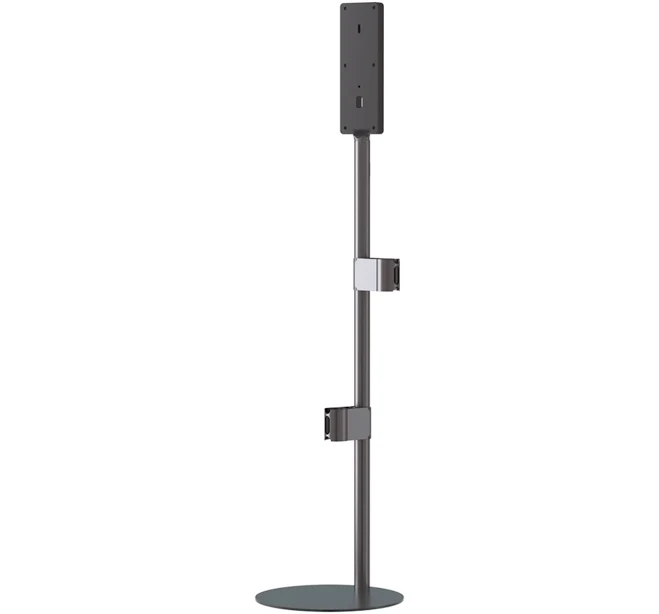
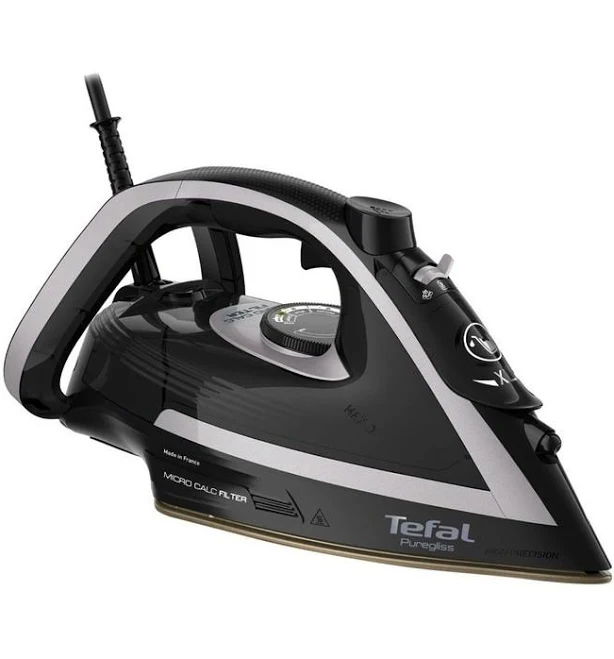
Tefal Puregliss Steam Iron
4.3(83)
From
$119.00
Across 15 retailers
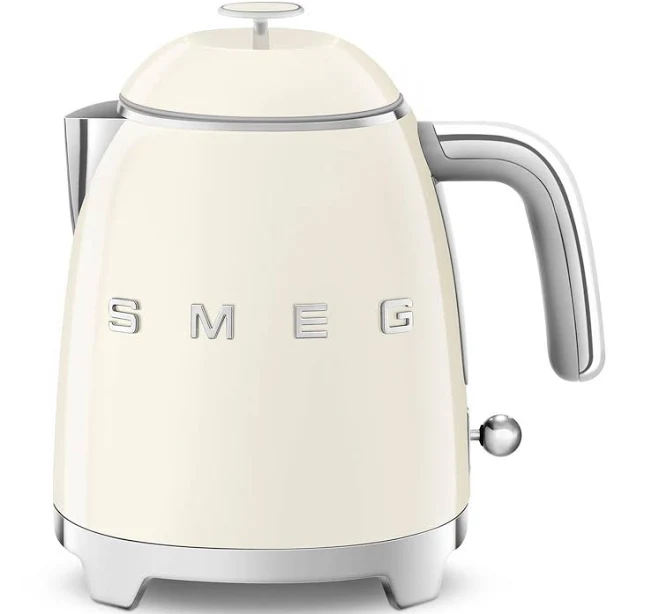
Smeg Mini Kettle Cream
4.7(3K)
From
$148.00
Across 15 retailers
Australian Market Context
According to an IBISWorld industry report, the Australian household appliance retailing market generates approximately $11 billion in annual revenue. This sector is highly sensitive to consumer sentiment and housing market cycles, which directly influence renovation and appliance replacement rates. In Australia, retail activity exhibits distinct seasonal patterns, with significant spikes in volume during mid-year and end-of-year sales events. The market has seen a shift toward energy-efficient models, driven by rising electricity costs and government-mandated star rating labels. Retailers often adjust inventory levels in anticipation of these cyclical peaks, leading to aggressive price competition during specific months. Furthermore, the integration of smart home technology has become a primary growth driver, with consumers increasingly seeking appliances that offer connectivity and remote monitoring capabilities. As the cost of living fluctuates, Australian shoppers are increasingly prioritising durability and long-term energy savings over the lowest initial purchase price. This trend has forced retailers to focus on value-added services, such as extended warranties and installation support, to differentiate their offerings in a crowded marketplace. Understanding these macroeconomic trends allows consumers to better anticipate when retailers are likely to clear stock, providing opportunities to secure high-quality appliances at reduced price points.
Where to Buy Home Appliances — Price Comparison
| Retailer | Products tracked | Price range |
|---|---|---|
| eBay | 1728 | $5.04 – $7000.00 |
| JB Hi-Fi | 1511 | $6.95 – $6999.00 |
| The Good Guys | 1461 | $4.00 – $17990.00 |
| Bing Lee Electrics | 1402 | $6.00 – $18999.00 |
| Harvey Norman | 1317 | $6.00 – $17999.00 |
| Appliances Online Australia | 1279 | $45.00 – $18999.00 |
| Woolworths | 1213 | $3.10 – $8048.65 |
| Betta | 1062 | $8.00 – $18999.00 |
Buying Home Appliances in Australia: What to Know
Purchasing home appliances in Australia requires an understanding of both seasonal sales cycles and technical standards. To secure the best value, align your purchases with major retail events: the End of Financial Year (EOFY) in June, Click Frenzy in May and November, Black Friday in late November, and the traditional Boxing Day sales in December. When selecting appliances, always verify that the product is compliant with Australian power standards, specifically 230V/50Hz. Importing appliances from overseas can lead to compatibility issues, voided warranties, and safety risks. Key specifications to consider include the WELS water rating for dishwashers and washing machines, and the Energy Rating Label for fridges and dryers. A common pitfall is ignoring the physical dimensions of the space, especially for built-in appliances; always measure your cavity depth, width, and height before purchasing. Additionally, consider the Australian climate; for instance, refrigerators in hotter regions may require higher cooling capacities, and outdoor appliances must be rated for local humidity and UV exposure. Always factor in delivery and installation costs, as these can significantly impact the total price. Checking the manufacturer's warranty terms within Australia is essential, as grey market imports may not be supported by local service centres.
Common Questions
What is the best time of year to buy home appliances in Australia?
In Australia, the best times to purchase appliances are during major retail sales events. The End of Financial Year (EOFY) in June is a prime period for retailers to clear stock. Black Friday in November has also become a massive event for appliance discounts. Additionally, Click Frenzy sales in May and November, and the traditional Boxing Day sales on December 26th, offer significant price reductions. Shopping during these windows often yields the best value, as retailers compete heavily for consumer spending.
Are appliances bought from overseas compatible with Australian power outlets?
Appliances purchased from overseas may not be compatible with the Australian electrical grid, which operates at 230V/50Hz. Using a device designed for a different voltage can cause it to malfunction, overheat, or pose a fire risk. Furthermore, overseas models often lack the necessary safety certifications, such as the RCM (Regulatory Compliance Mark) required for sale in Australia. It is strongly recommended to purchase appliances specifically manufactured for the Australian market to ensure safety, warranty coverage, and proper performance.
How do energy rating labels work for Australian appliances?
The Australian Energy Rating Label helps consumers compare the energy efficiency of appliances. The label features a star rating system, where more stars indicate better energy efficiency relative to other models of the same size. It also provides an estimated annual energy consumption figure in kilowatt-hours (kWh). By checking these labels, you can calculate the potential running costs of an appliance over its lifetime. Higher-rated appliances may have a higher upfront cost but often result in significant savings on electricity bills over several years.
What should I check before buying a large appliance online?
Before purchasing a large appliance online, verify the exact dimensions of the unit and ensure it will fit your intended space, including clearance for doors to open. Check the retailer's delivery policy, specifically whether they offer 'room of choice' delivery or if they only drop the item at the kerbside. Confirm if the price includes the removal of your old appliance, as some retailers charge extra for this service. Finally, ensure the retailer provides a valid Australian warranty and has local service support.
Do I need a professional for appliance installation in Australia?
Certain appliances in Australia, such as gas cooktops, ovens, and some dishwashers, require installation by a licensed professional. For gas appliances, you must use a licensed gas fitter to ensure compliance with safety regulations and to prevent leaks. For electrical appliances, while some plug-in units are DIY-friendly, hard-wired appliances must be installed by a licensed electrician. Failure to use a qualified professional can void your product warranty and may be illegal under local building codes and insurance requirements.