
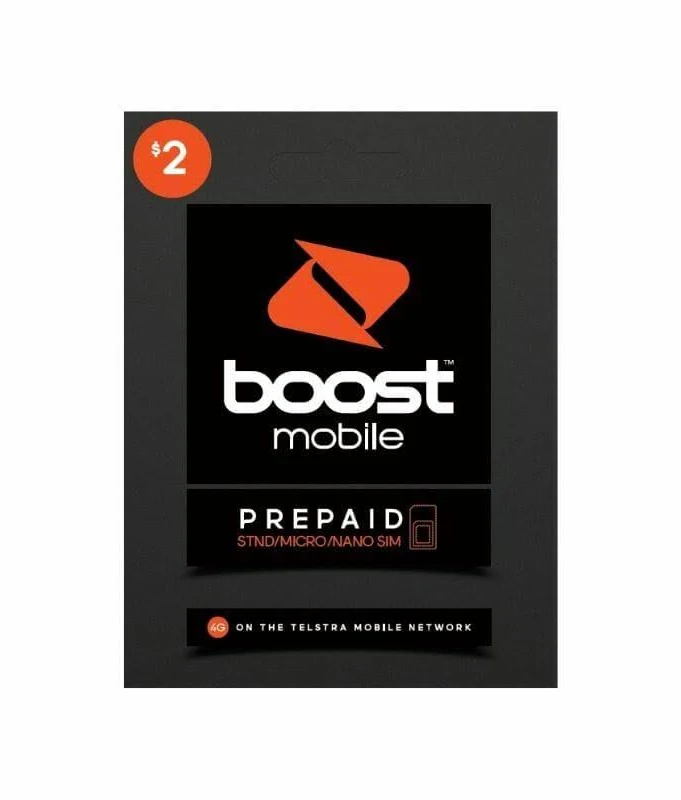
Boost Prepaid SIM Kit $2
4.0(4)
From
$2.00
Across 9 retailers

16 products in the catalogue · 12 with prices across 8 retailers from $2 to $300.
From
$2.00
Across 9 retailers
No reviews yet
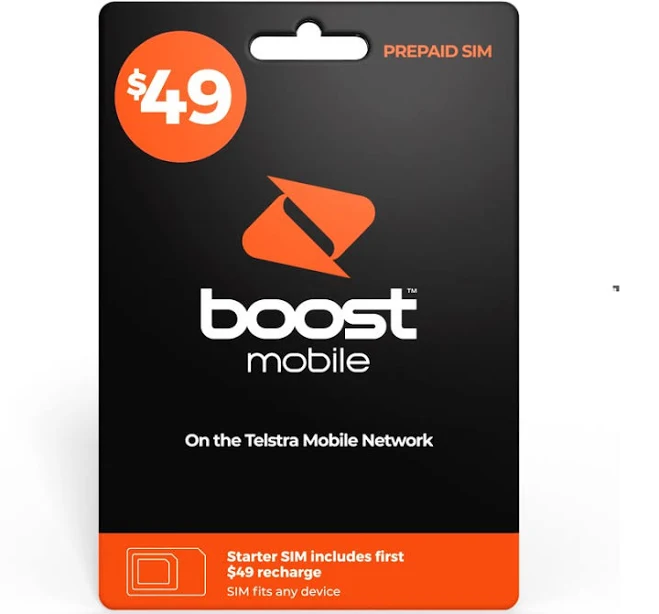
From
$49.00
Across 7 retailers


From
$244.00
Across 5 retailers
No reviews yet
From
$31.50
Across 2 retailers

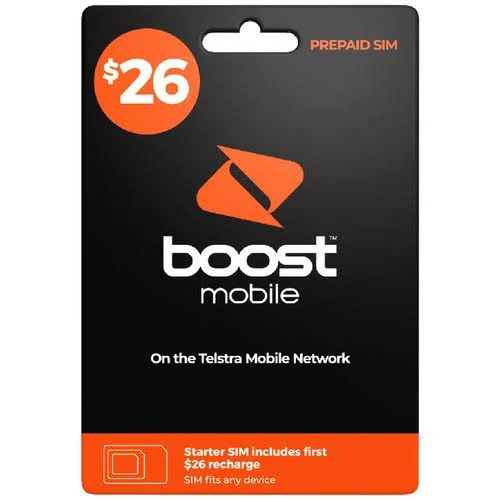
No reviews yet
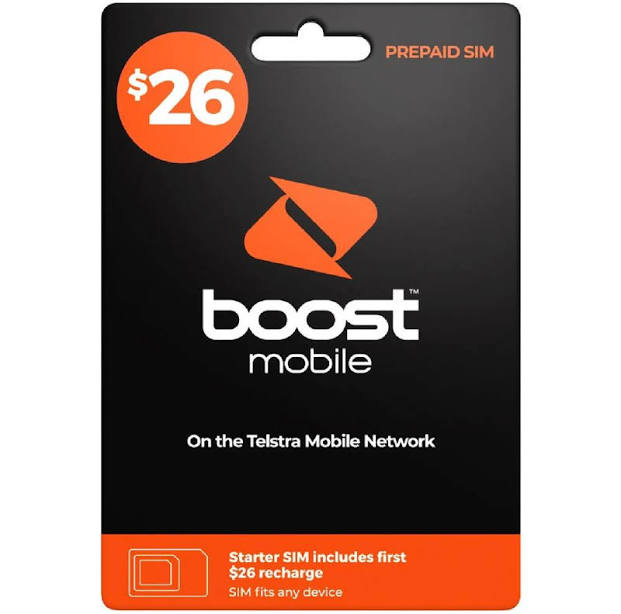
From
$26.00
Across 1 retailer
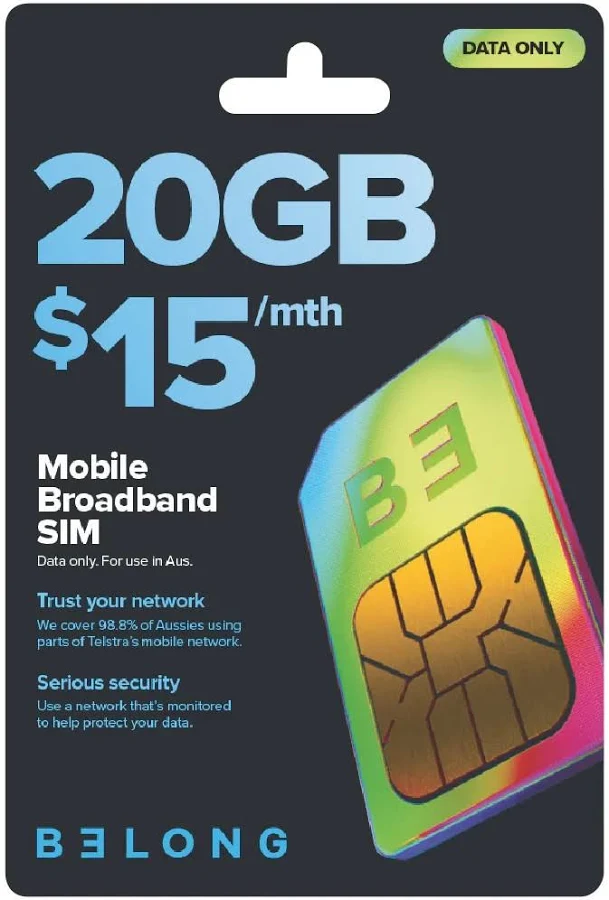
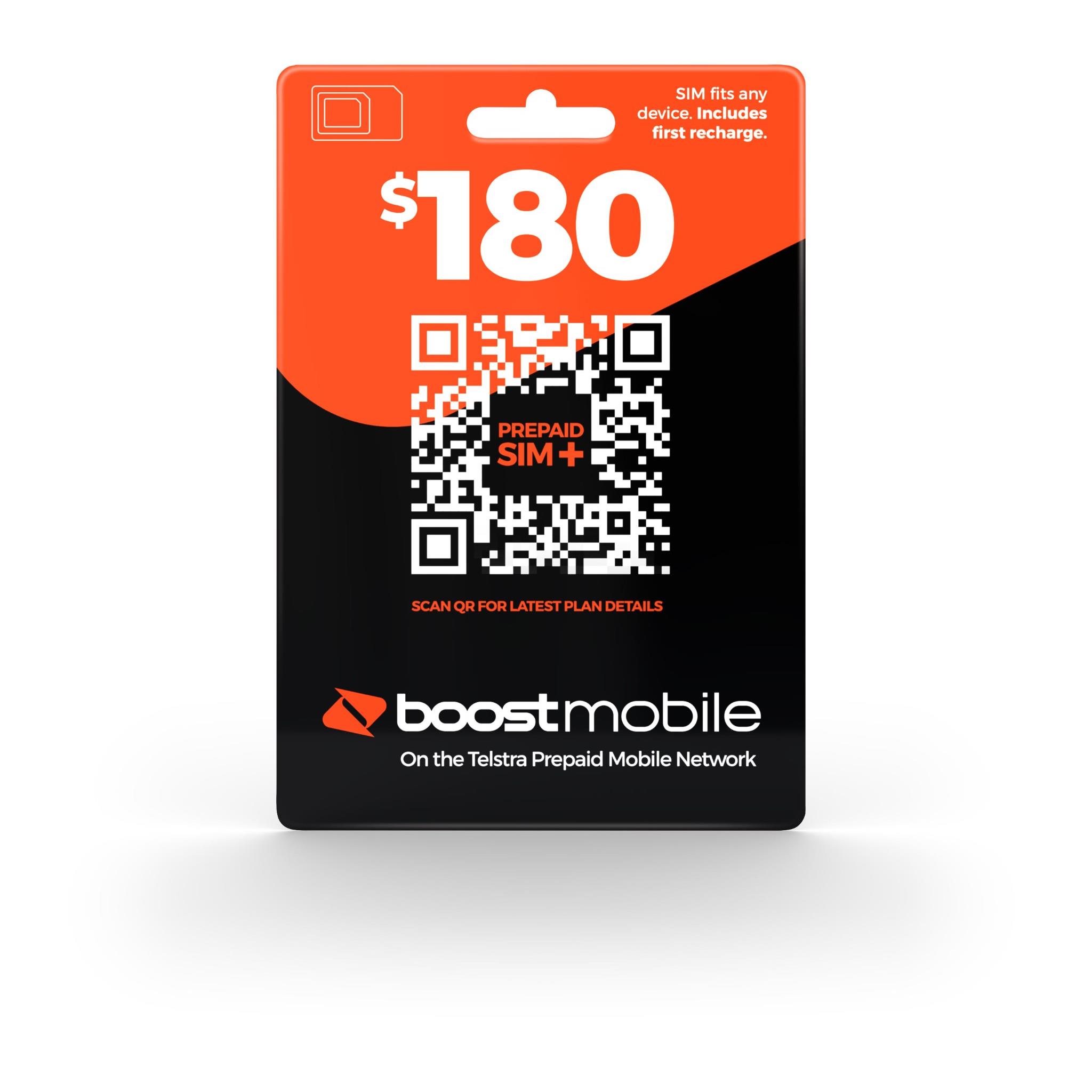
No reviews yet
From
$160.00
Across 1 retailer


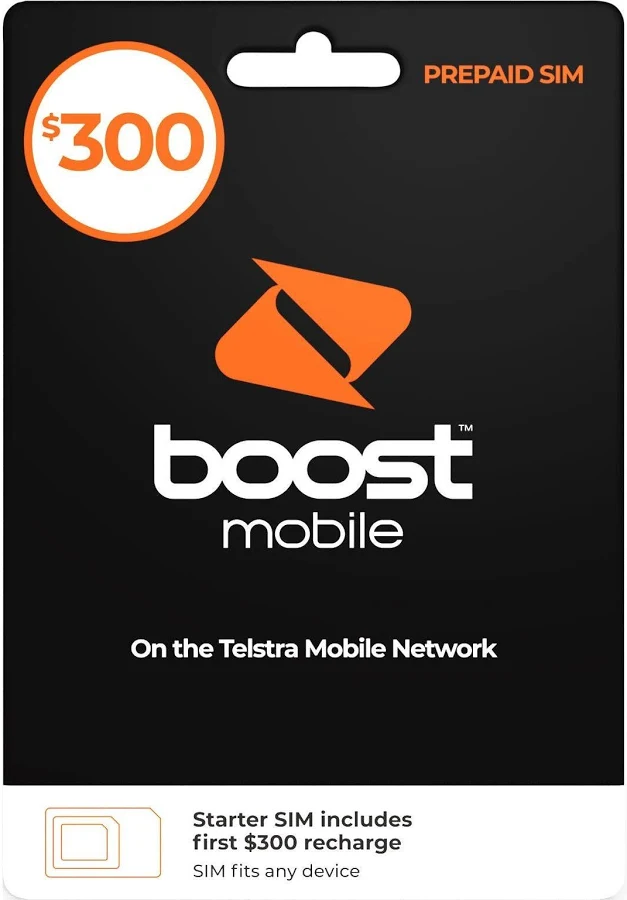
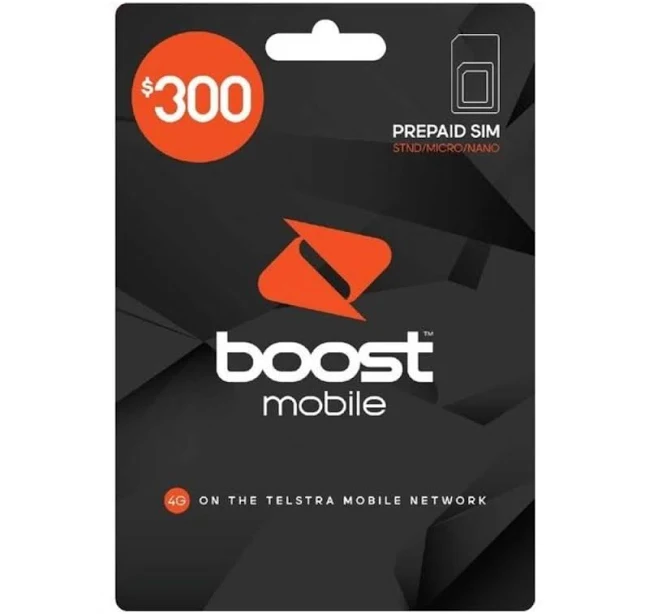
From
$300.00
Across 1 retailer

No reviews yet
No retailer prices yet

No reviews yet
No retailer prices yet
No retailer prices yet

No retailer prices yet
According to the Australian Bureau of Statistics, household expenditure on communication services remains a significant portion of the average Australian budget, with telecommunications services contributing to a multi-billion dollar annual market. The sector is highly competitive, driven by the rollout of 5G infrastructure and the increasing reliance on mobile data for both professional and personal use. Market data indicates that consumer demand for mobile services often peaks during the third and fourth quarters, aligning with the release of new flagship smartphone hardware and major retail events. Seasonal patterns are pronounced, as telecommunications providers frequently adjust their plan pricing and data allowances to coincide with the Australian financial year-end and the pre-Christmas shopping surge. Furthermore, the shift toward SIM-only plans has altered the traditional market structure, forcing providers to decouple hardware costs from service fees. This transition has led to a more transparent pricing environment, though it requires consumers to be more vigilant regarding the total cost of their mobile ecosystem. As providers compete for market share, the frequency of promotional pricing cycles has increased, making it vital for consumers to monitor these trends to avoid locking into long-term contracts during periods of high pricing.
| Retailer | Products tracked | Price range |
|---|---|---|
| eBay | 7 | $4.50 – $266.00 |
| Everything ID | 3 | $2.00 – $279.00 |
| Kmart | 3 | $26.00 – $45.00 |
| MyITHub Australia | 2 | $2.00 – $296.00 |
| JB Hi-Fi | 2 | $160.00 – $300.00 |
| Boost Mobile | 2 | $49.00 – $300.00 |
| BIG W | 2 | $49.00 – $289.00 |
| enjoyebuy | 1 | $275.90 – $275.90 |
When purchasing mobile services or hardware in Australia, timing your acquisition with major retail events can yield significant savings. Key periods include the End of Financial Year (EOFY) sales in June, Click Frenzy events in May and November, Black Friday in late November, and the traditional Boxing Day sales in December. When evaluating mobile hardware, ensure that devices are compatible with Australian network bands, specifically 4G and 5G frequencies used by Telstra, Optus, and TPG Telecom. While most global devices are compatible, verify that chargers meet Australian electrical standards (230V/50Hz) to ensure safety and compliance. A common pitfall for consumers is failing to account for the 'hidden' costs of device repayment contracts, which can often be more expensive than purchasing a handset outright and pairing it with a low-cost SIM-only plan. Additionally, consider the coverage map of the provider in your specific region, as geography significantly impacts signal strength in rural versus metropolitan areas. Always review the Critical Information Summary (CIS) provided by the carrier, as this document outlines the exact inclusions, excess data charges, and contract termination fees, providing a clear picture of your ongoing financial commitment.
Prepaid plans require you to pay for your mobile services upfront, giving you control over your spending without the risk of unexpected monthly bills. You can purchase credit or 'recharge' as needed. Postpaid plans involve a monthly billing cycle where you pay for your usage at the end of the month. These are often bundled with device repayments. In Australia, postpaid plans usually require a credit check, whereas prepaid options are accessible to almost everyone and do not lock you into a long-term contract.
Yes, to access 5G mobile services, both your mobile device and your SIM card must be 5G-compatible. If you are using an older 4G-only device, you will be limited to 4G network speeds, even if your service plan includes 5G access. When purchasing a new phone in Australia, check the technical specifications to ensure it supports the specific 5G bands used by your network provider. Most modern smartphones released after 2020 are 5G-enabled, but it is always worth verifying before committing to a 5G plan.
All major Australian mobile network operators—Telstra, Optus, and TPG/Vodafone—provide interactive coverage maps on their official websites. You can enter your specific address or postcode to see the estimated signal strength for 4G and 5G in your area. It is important to remember that these maps provide an estimate based on outdoor conditions. Factors such as building materials, terrain, and distance from the nearest cell tower can impact actual performance inside your home or office.
In Australia, you have the right to keep your existing mobile number when you switch to a different provider, a process known as 'porting.' You do not need to cancel your old service yourself; when you sign up with a new provider, you simply request to port your number. The new provider will initiate the transfer process. It is essential that your old account remains active until the transfer is complete, as cancelling it beforehand may result in the permanent loss of your mobile number.
Generally, SIM-only plans are more cost-effective than bundled contracts because they do not include the cost of a handset. When you choose a bundled contract, you are essentially taking out a loan for the device, which is repaid over 12, 24, or 36 months. By purchasing a phone outright and opting for a SIM-only plan, you avoid interest or hidden fees associated with hardware financing. However, you must have the upfront capital to pay for the device, which is the primary trade-off for lower monthly service costs.