
- Category
- Music
- Country
- Australia
- Catalogue products
- 37
- Products with prices
- 19
- Retailer count
- 8
- Min price (AUD)
- $24.14
- Max price (AUD)
- $995.00
Music in Australia
37 products in the catalogue · 19 with prices across 8 retailers from $24 to $995.
Music products in Australia typically range from $15 for entry-level accessories to over $5,000 for high-end professional audio equipment. Major retailers such as JB Hi-Fi, Sanity, and Billy Hyde Music stock a vast array of these items, catering to both casual listeners and dedicated musicians. Whether you are searching for the latest vinyl releases, digital instruments, or studio-grade recording gear, the sheer volume of available options makes it difficult to track price fluctuations manually. By consolidating data from dozens of outlets, we provide a clear view of the current market landscape. Our service simplifies your search by offering comprehensive price comparisons and detailed price history charts for every item listed. This allows you to identify genuine discounts and avoid inflated prices during promotional periods. With our tools, you can monitor your preferred music gear and receive alerts when prices drop, ensuring you always secure the most competitive deal available in the Australian market.Read music buying guideHide music buying guide
Top Music Products
View All
Philips Portable MP3 CD Player
5.0(1)
From
$85.23
Across 14 retailers


The Moon (The Dark Side) (Marbled Moon Glow)
No reviews yet
From
$52.95
Across 13 retailers


Amplified Heart (25th Anniversary)
5.0(7)
From
$34.39
Across 12 retailers
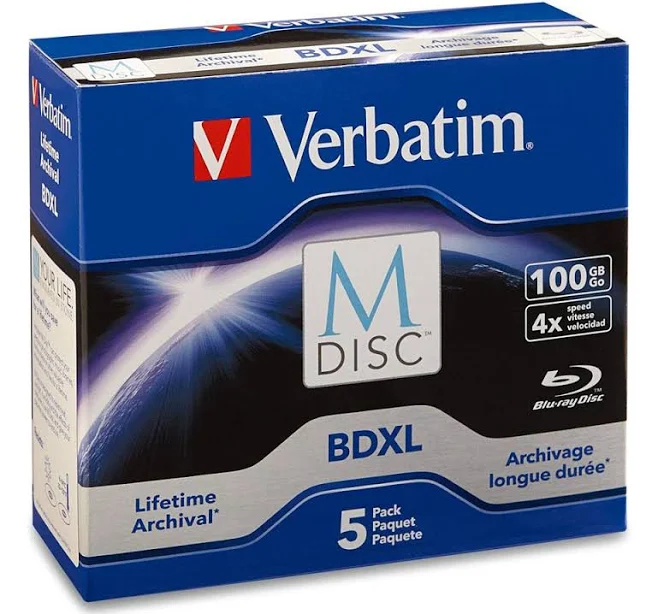


Verbatim CD-R 700MB 52X Spindle
4.6(1K)
From
$30.81
Across 11 retailers

Hot-40%


Girl Violence (Mommy's Milk Cream Vinyl)
No reviews yet
From
$54.97
Across 7 retailers

PYLE Laptop & Projector Stand, Tripod Stand With Adjustable Height 71–127 cm, Portable DJ Equipment Mount, Angle Adjustable Tray, Lightweight Metal Construction, Stage, Studio, Musicians & Performers.
4.3(156)
From
$36.52
Across 5 retailers




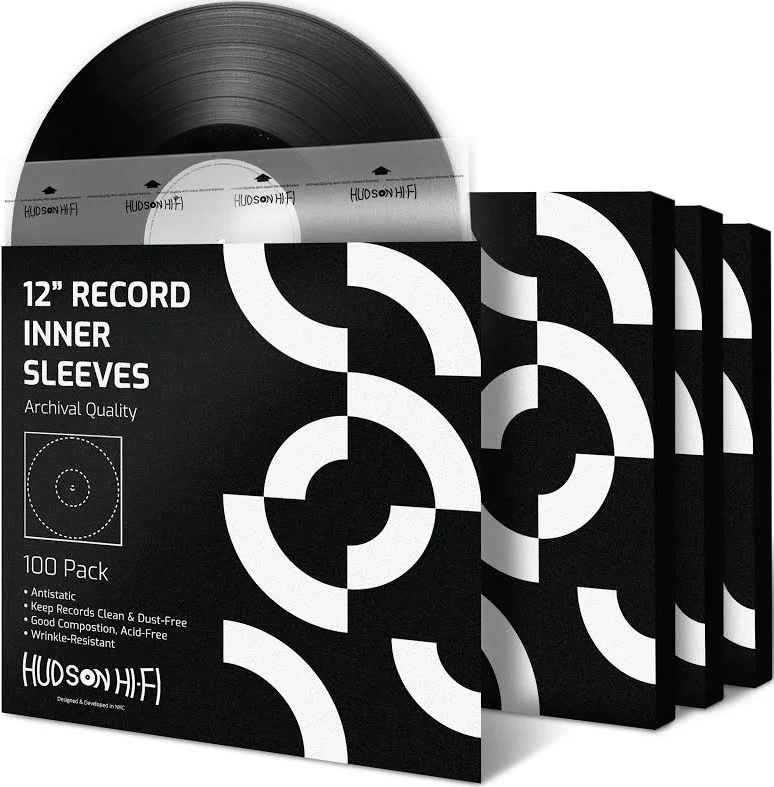
12" Record Inner Sleeves
5.0(9)
From
$53.64
Across 1 retailer


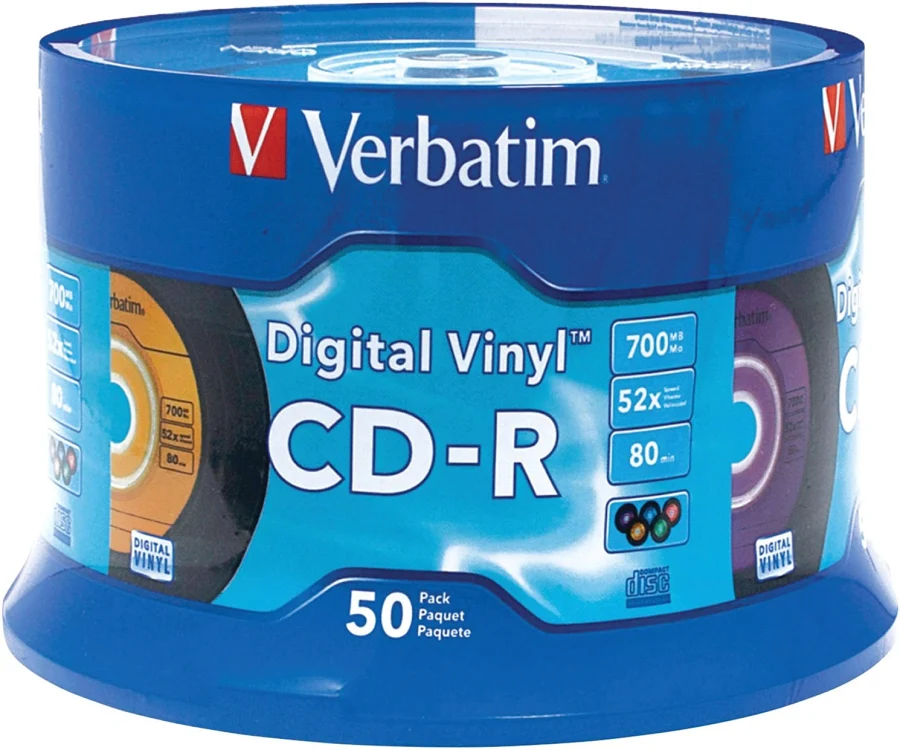
Verbatim CD-R 700MB 80 Minute 52x Recordable Disc - 50 Pack Spindle
No reviews yet
Price unavailable
No retailer prices yet

Gatefold Outer LP Sleeves for 12 Inch Vinyl Record Storage | 3 Mil Thick Poly Clear Record Sleeves with Easy Access to Records in Vinyl Albums | Plastic Sleeve Protector (25 Pack)
No reviews yet
Price unavailable
No retailer prices yet

Maxell 108562 UR-90 5PK Normal Bias Audio Cassettes 90 Minute with Cases 5 Pack
No reviews yet
Price unavailable
No retailer prices yet

Verbatim 43825 25GB 4X M-Disc BD-R - 10 Pack Spindle
No reviews yet
Price unavailable
No retailer prices yet

Folklore
No reviews yet
Price unavailable
No retailer prices yet
Australian Market Context
According to a recent IBISWorld industry report, the Australian music and audio equipment retail sector generates approximately $1.2 billion in annual revenue. This market is heavily influenced by the transition from physical media, such as CDs and vinyl, toward digital streaming services and high-fidelity hardware. Retailers often experience significant cyclical spikes in sales volume during the fourth quarter, driven by holiday gift-giving and end-of-year inventory clearances. Furthermore, the Australian market shows a distinct preference for premium audio brands, with consumer spending habits shifting toward noise-canceling headphones and portable Bluetooth speakers. Seasonal trends are also heavily impacted by major retail events, where consumer interest in audio technology peaks. Retailers typically adjust their stock levels in anticipation of these periods, often leading to aggressive price competition. Understanding these market cycles is essential for consumers looking to purchase audio equipment, as the availability of specific models can fluctuate significantly based on global supply chain logistics and local demand surges during key Australian shopping windows.
Where to Buy Music — Price Comparison
| Retailer | Products tracked | Price range |
|---|---|---|
| eBay | 13 | $24.14 – $899.00 |
| JB Hi-Fi | 7 | $24.99 – $249.00 |
| Kogan.com | 4 | $49.95 – $146.28 |
| Woolworths | 4 | $50.15 – $129.95 |
| BIG W | 4 | $50.15 – $799.00 |
| Dick Smith AU | 3 | $49.95 – $129.95 |
| Bing Lee Electrics | 3 | $49.00 – $995.00 |
| Harvey Norman | 3 | $104.95 – $744.00 |
Buying Music in Australia: What to Know
When purchasing music equipment in Australia, timing your acquisition to coincide with major sales events is the most effective way to manage costs. Key windows include the End of Financial Year (EOFY) sales in June, Click Frenzy events in May and November, Black Friday in late November, and the traditional Boxing Day sales in December. When selecting electronic audio gear, always verify that the product is compliant with Australian power standards, specifically 230V/50Hz, to avoid compatibility issues or the need for external transformers. For outdoor audio equipment, consider the harsh Australian climate; look for products with high IP (Ingress Protection) ratings to ensure resistance against dust and moisture. A common pitfall for buyers is neglecting to check the warranty terms; ensure that the retailer provides an Australian manufacturer warranty rather than an international one, which may not be honored locally. Additionally, always factor in shipping costs and delivery times, as regional Australian locations may incur higher freight charges for bulky musical instruments or large speaker systems. Researching technical specifications, such as frequency response and impedance, is vital to ensure the hardware meets your specific performance requirements before committing to a purchase.
Common Questions
Are vinyl records becoming more expensive in Australia?
Yes, the price of vinyl records in Australia has seen a steady increase due to rising global production costs, raw material shortages, and increased demand from collectors. While standard pressings remain relatively affordable, limited editions and imports often command higher prices. Retailers frequently adjust pricing based on shipping costs from international pressing plants. Monitoring price history is recommended, as major retailers often run promotions on back-catalog titles during holiday sales, providing opportunities to purchase records at a lower cost than their initial release price.
What should I look for when buying studio monitors in Australia?
When buying studio monitors, prioritize frequency response accuracy and room correction features. In the Australian market, ensure the monitors are compatible with local 230V power outlets. Check the input connectivity to ensure it matches your audio interface, typically XLR or TRS. It is also important to consider the size of your room; larger woofers may produce excessive bass in smaller spaces. Always verify if the listed price is for a single unit or a pair, as retailers often list them individually, which can lead to unexpected costs.
Do I need a voltage converter for music gear bought from overseas?
If you purchase music equipment from countries like the United States, which uses a 110V-120V standard, you will likely need a step-down voltage converter to use it in Australia, where the standard is 230V. Using the wrong voltage can permanently damage your equipment or pose a fire risk. It is generally safer and more cost-effective to purchase models specifically designed for the Australian market, as these come with local warranties and the correct power plugs, eliminating the need for additional hardware.
When is the best time to buy musical instruments in Australia?
The best time to buy musical instruments in Australia is during the EOFY sales in June and the Black Friday/Cyber Monday period in November. During these times, retailers clear out older stock to make room for new inventory. Additionally, many music stores offer seasonal discounts during the lead-up to Christmas. If you are looking for a specific instrument, tracking its price over several months using a comparison tool can help you identify when a store is likely to drop its price to clear shelf space.
How can I verify if a music retailer is legitimate in Australia?
To verify a music retailer in Australia, check for a valid Australian Business Number (ABN) listed on their website. Legitimate retailers will also provide clear contact information, a physical address, and transparent return policies. You can cross-reference the store with consumer review platforms to see feedback from other Australian customers. Avoid websites that offer prices significantly lower than the market average, as these may be fraudulent sites. Always use secure payment methods, such as credit cards or PayPal, which offer buyer protection for online transactions.