
- Category
- VR & AR
- Country
- Australia
- Catalogue products
- 29
- Products with prices
- 21
- Retailer count
- 8
- Min price (AUD)
- $29.00
- Max price (AUD)
- $2199.99
VR & AR in Australia
29 products in the catalogue · 21 with prices across 8 retailers from $29 to $2200.
Virtual and Augmented Reality hardware in Australia typically ranges from $450 for entry-level standalone headsets to over $5,500 for high-end enterprise-grade systems. Consumers can find these devices stocked at major Australian retailers including JB Hi-Fi, Harvey Norman, and Centre Com. Whether you are looking for immersive gaming consoles, professional design tools, or educational AR kits, the sheer volume of available models can make price discovery difficult. At WhatsCheap, we simplify this process by aggregating real-time pricing data and providing historical price tracking for every listed item. Our platform allows you to monitor price drops and identify the lowest available offers across the country, ensuring you never overpay for your next piece of technology. By comparing current market rates against historical trends, we empower Australian shoppers to make informed purchasing decisions based on data rather than impulse. We track thousands of price points daily to ensure our database remains the most accurate resource for Australian consumers looking to invest in the rapidly evolving VR and AR landscape.Read vr & ar buying guideHide vr & ar buying guide
Top VR & AR Products
View All
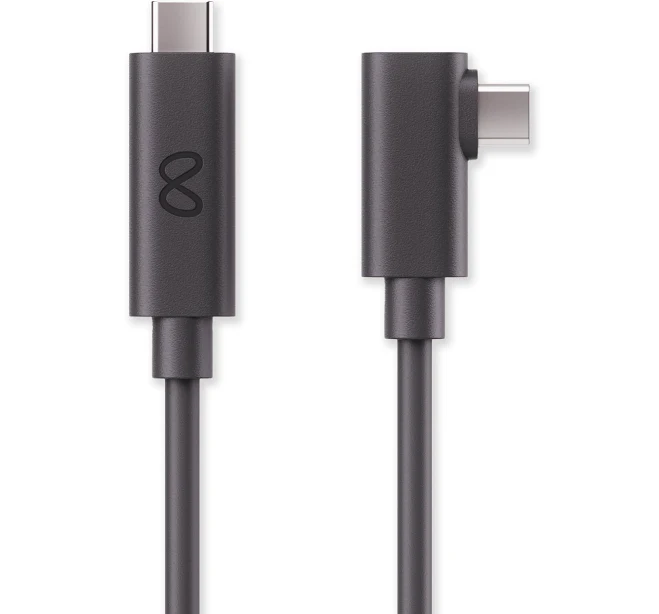
Meta Quest Link Cable - Works with Meta Quest 3/3S/2/Pro
4.1(1K)
From
$128.00
Across 12 retailers

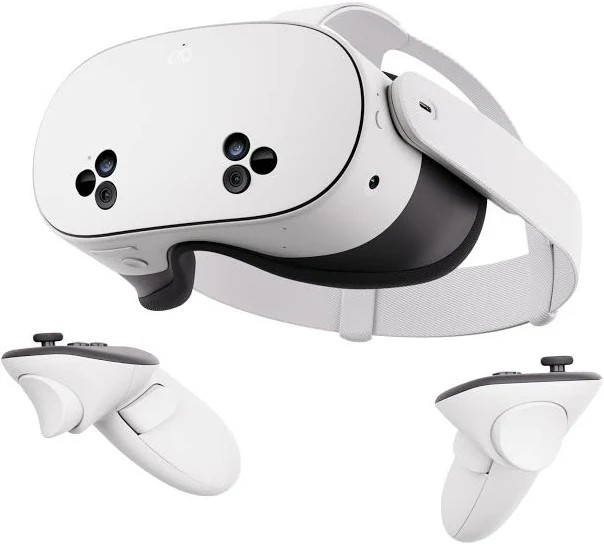
Meta Quest 3S 256GB
4.5(11K)
From
$586.92
Across 12 retailers
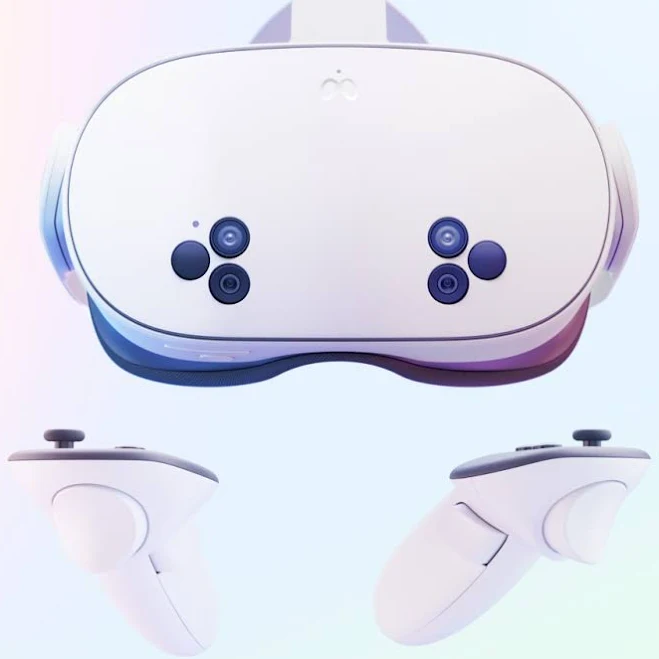
Meta Quest 3S 128GB
4.5(11K)
From
$479.00
Across 11 retailers
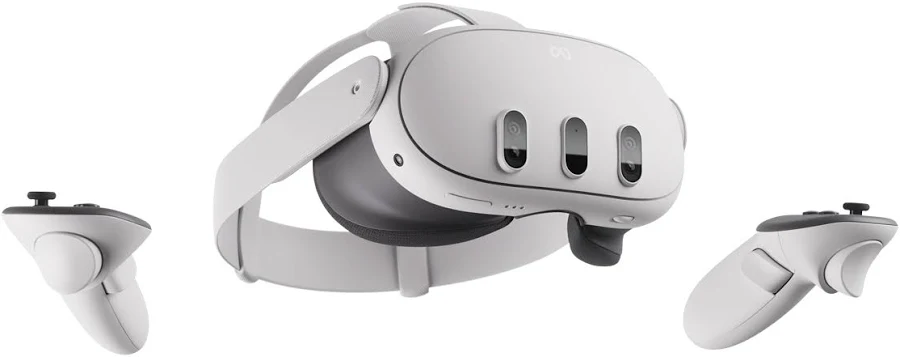
Meta Quest 3 512GB
4.6(12K)
From
$799.00
Across 11 retailers
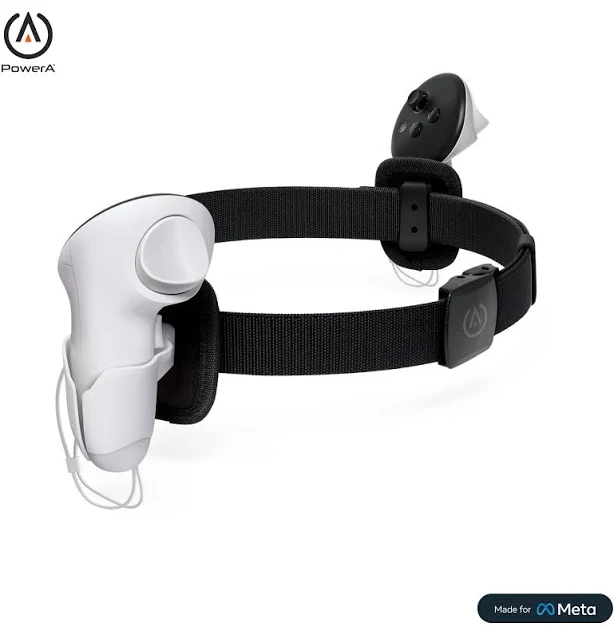
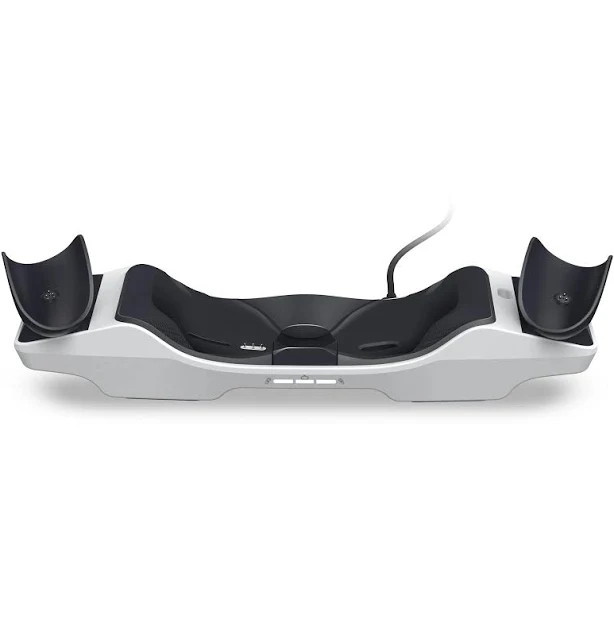
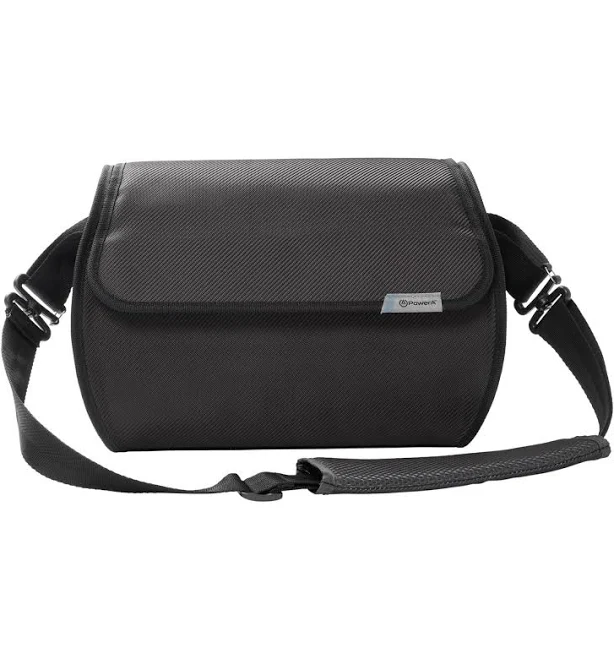
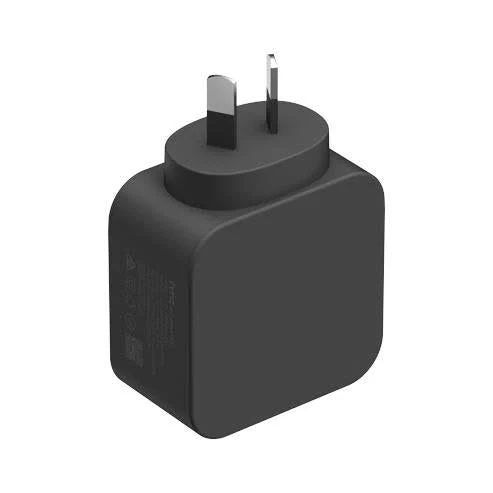
HTC Vive 30W PD Adapter HTC Vive XR Elite
No reviews yet
From
$39.00
Across 5 retailers

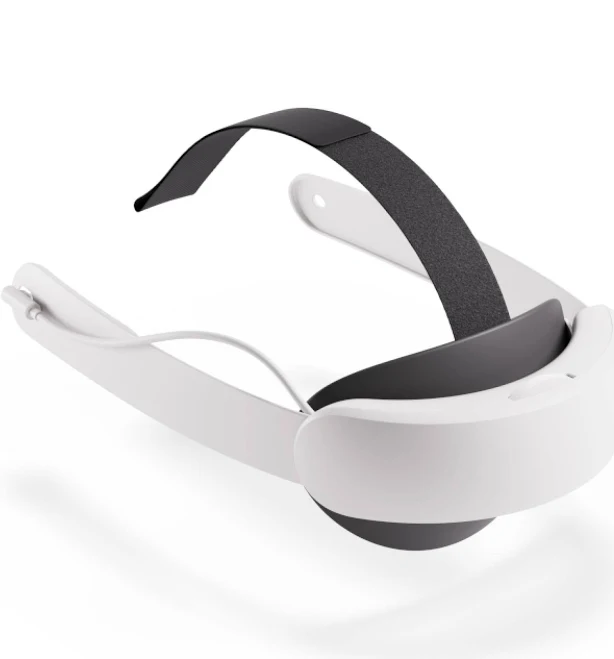
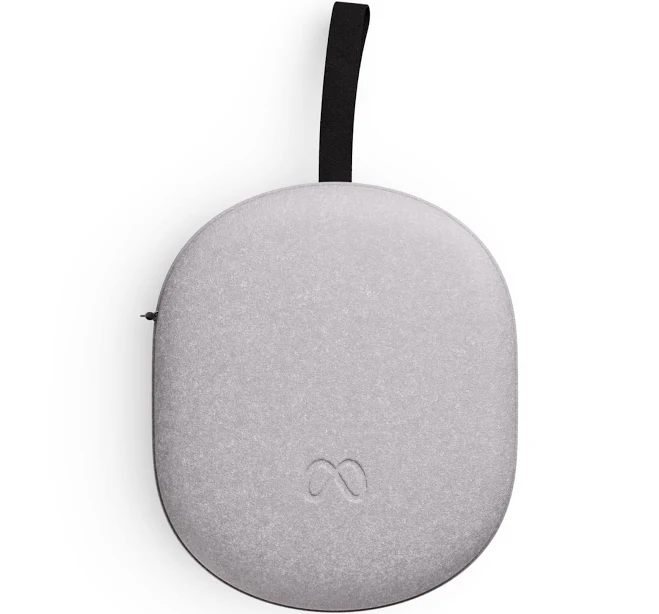
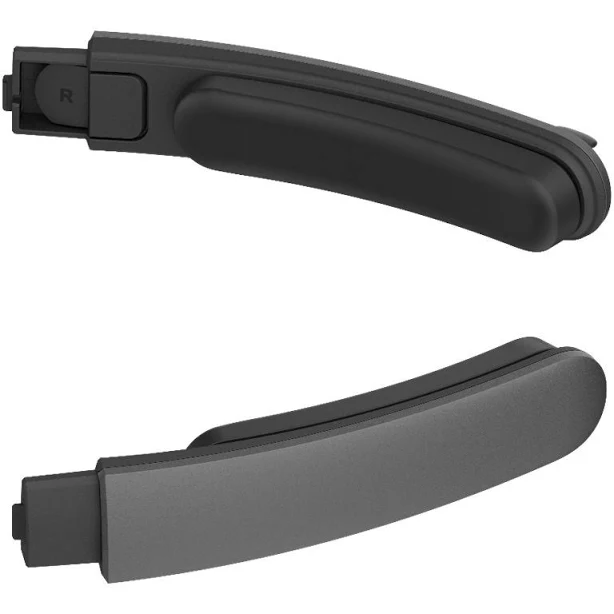
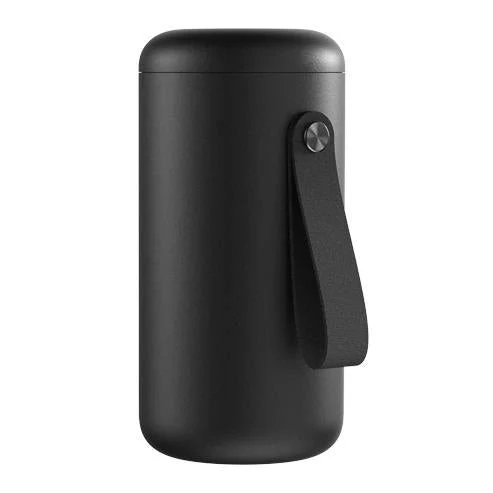
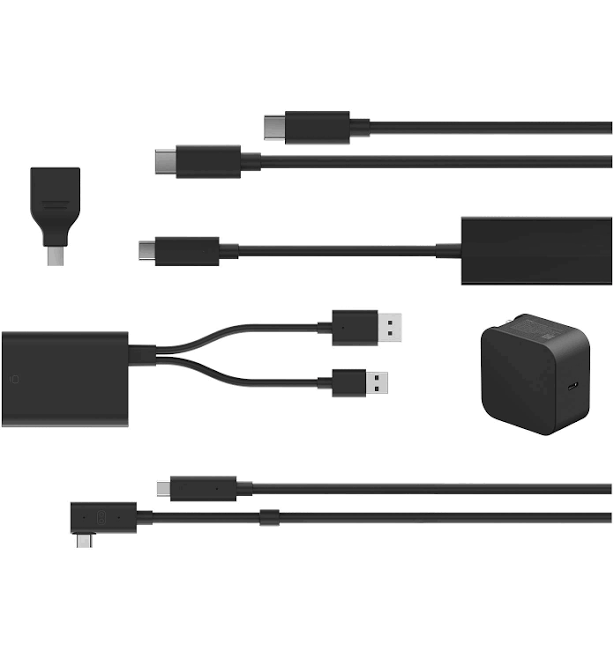
HTC Vive Wired Streaming Kit
No reviews yet
From
$279.00
Across 2 retailers
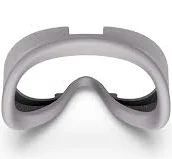


PlayStation VR2 Gaming Headset - White
No reviews yet
From
$639.99
Across 1 retailer


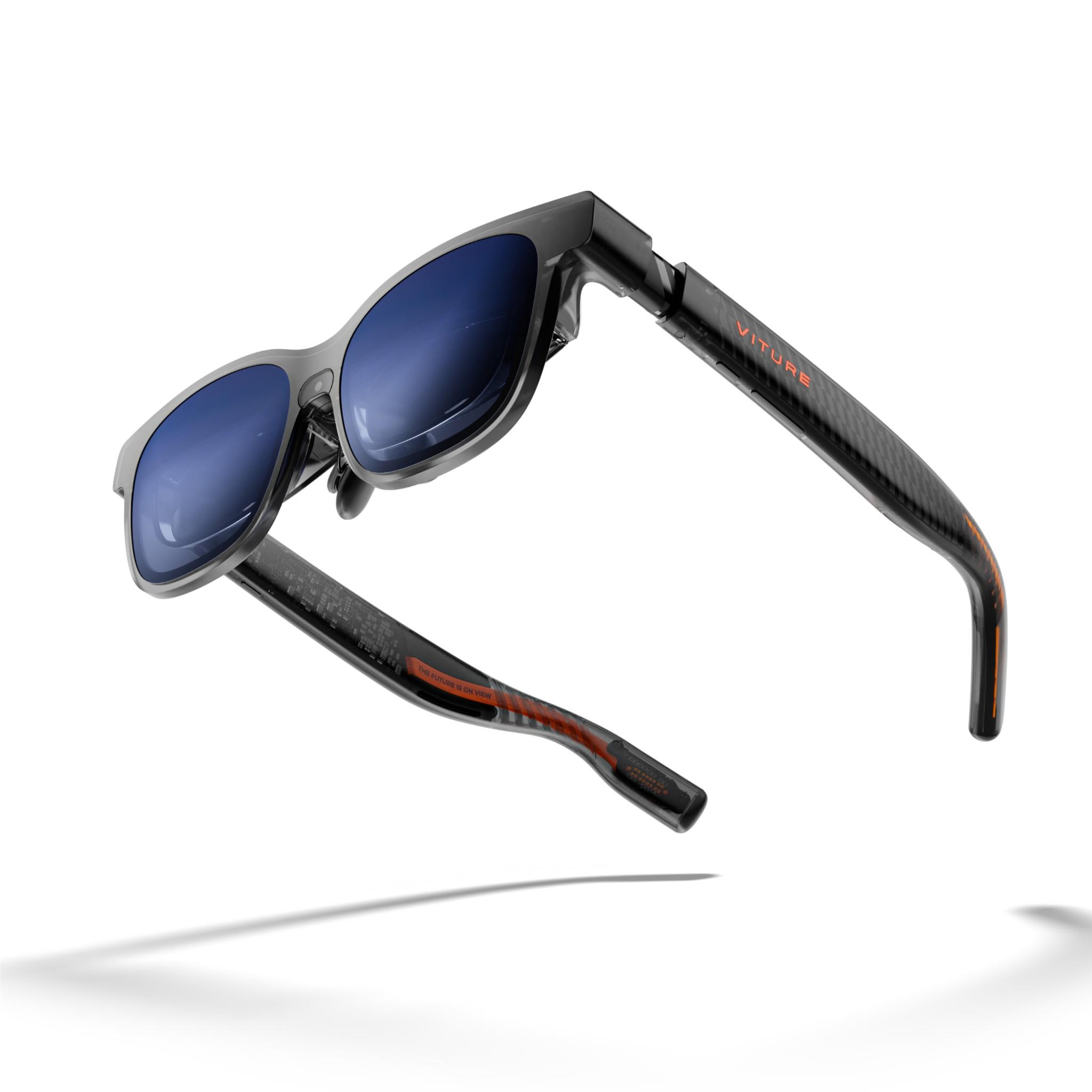
VITURE Luma Pro XR AR Glasses
No reviews yet
Price unavailable
No retailer prices yet
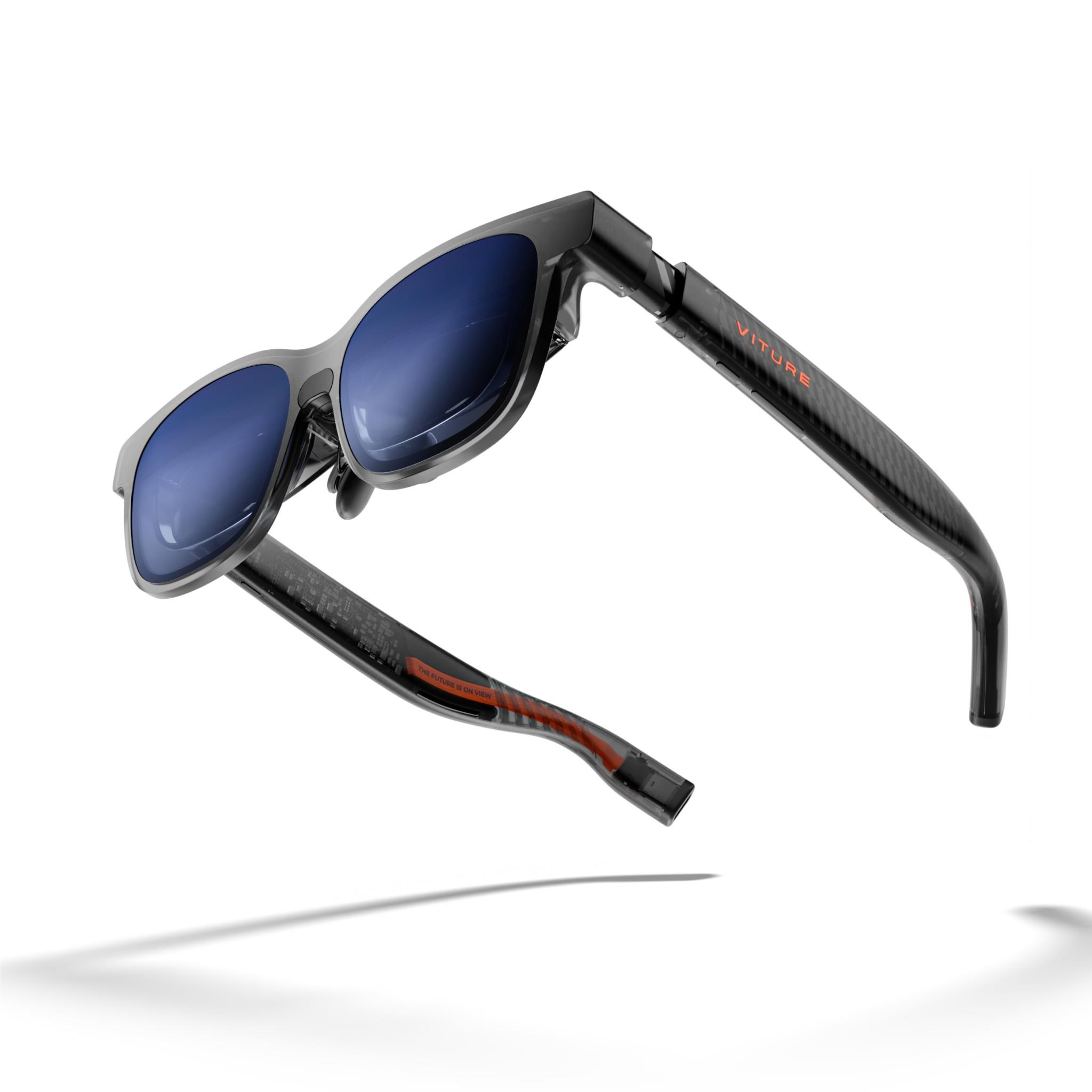
VITURE Luma XR AR Glasses
No reviews yet
Price unavailable
No retailer prices yet
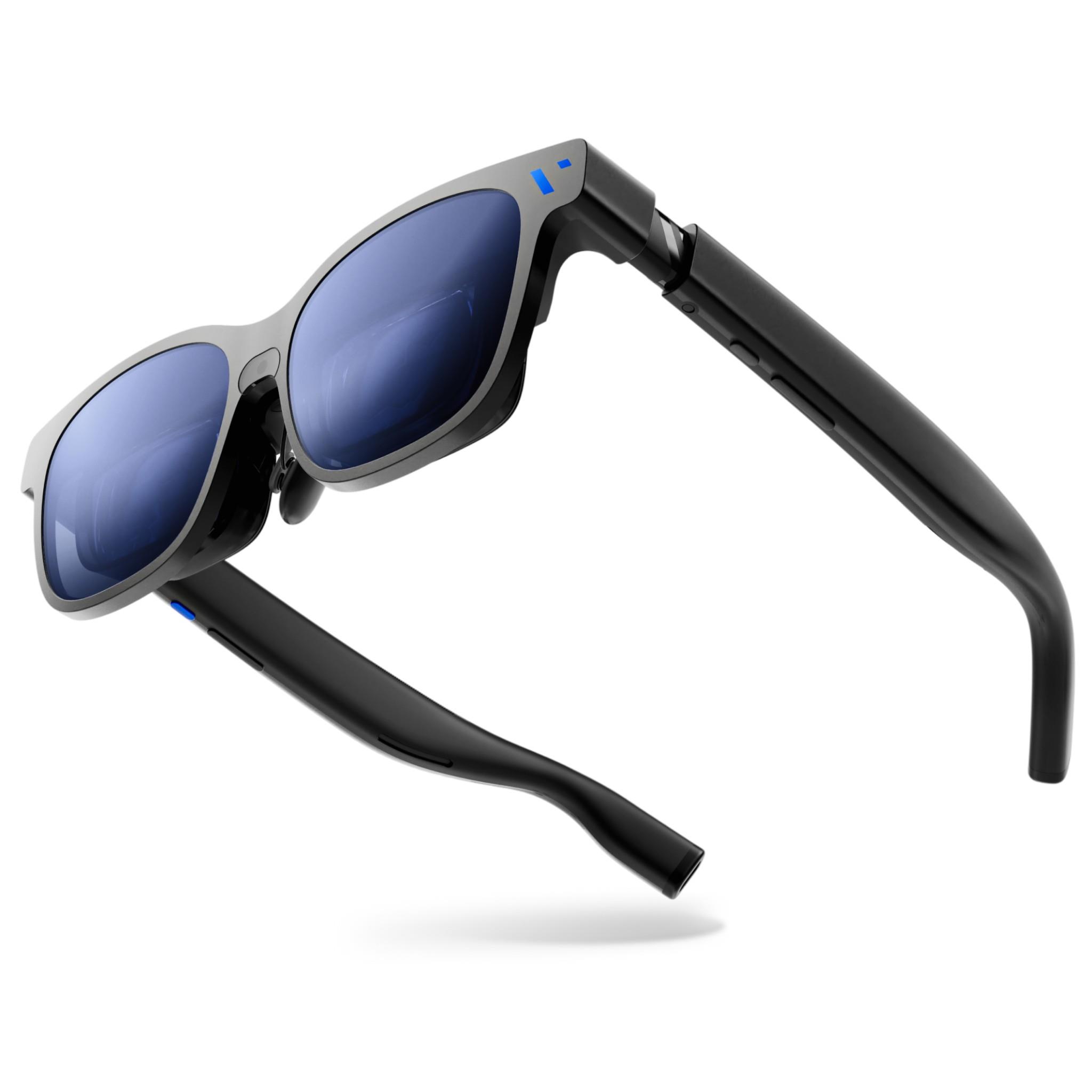
VITURE Beast XR AR Glasses
No reviews yet
Price unavailable
No retailer prices yet
Australian Market Context
According to a recent IBISWorld industry report, the Australian virtual and augmented reality market has seen consistent growth, with sector revenue now exceeding $320 million annually. This expansion is driven by increased adoption in both the consumer gaming sector and professional fields such as architecture, healthcare, and remote industrial training. In Australia, consumer demand for VR hardware follows a distinct cyclical pattern, peaking significantly during the final quarter of the calendar year. Retail data indicates that sales volumes surge by approximately 40% during the November and December period, coinciding with major promotional events and the holiday shopping season. Conversely, the market often experiences a plateau in the first quarter as retailers clear inventory following the post-Christmas sales. Regional distribution also plays a role, with higher demand density observed in metropolitan hubs like Sydney and Melbourne, where tech-focused retail footprints are largest. As standalone headsets continue to dominate the market share over PC-tethered alternatives, the Australian retail landscape is shifting toward portable, wireless solutions that cater to a broader demographic of casual users and enterprise clients alike.
Where to Buy VR & AR — Price Comparison
| Retailer | Products tracked | Price range |
|---|---|---|
| JB Hi-Fi | 16 | $29.00 – $969.00 |
| Harvey Norman | 8 | $54.00 – $968.00 |
| Dick Smith AU | 8 | $44.95 – $1053.96 |
| Kogan.com | 7 | $44.95 – $879.00 |
| eBay | 7 | $129.99 – $2199.99 |
| BIG W | 6 | $44.95 – $1045.20 |
| JW Computers | 6 | $43.87 – $699.00 |
| Meta | 6 | $69.99 – $969.00 |
Buying VR & AR in Australia: What to Know
When purchasing VR and AR hardware in Australia, timing is critical to securing the best value. Major savings are typically found during the EOFY sales in June, Click Frenzy events in May and November, Black Friday in late November, and the traditional Boxing Day sales on December 26. When evaluating specs, prioritize field of view (FOV), refresh rates—ideally 90Hz or higher—and resolution per eye to minimize motion sickness. Ensure that any imported or grey-market electronics comply with Australian power standards, specifically the 230V/50Hz AC supply, to avoid potential damage or warranty invalidation. Climate considerations are also relevant; Australia’s high ambient temperatures can lead to thermal throttling in high-performance headsets, so ensure your play area is well-ventilated. A common pitfall is ignoring the hidden costs of accessories, such as prescription lens inserts, high-quality head straps, or dedicated link cables, which are often required for a comfortable experience. Always verify if the product includes an Australian manufacturer warranty, as international warranties may not be honoured by local service centres. Checking for local stock availability is also recommended to avoid lengthy shipping delays and potential customs import duties on high-value electronic goods.
Common Questions
Do VR headsets sold in Australia require a specific power adapter?
Yes, all electronic devices sold in Australia must comply with local electrical safety standards. While many modern VR headsets charge via USB-C, the included wall adapters must be certified for the Australian 230V/50Hz power grid. If you purchase a headset from an international retailer, it may come with a plug incompatible with Australian power outlets. Always check that the power supply unit (PSU) is rated for 240V input to prevent electrical failure or safety hazards. Using an uncertified adapter can void your manufacturer warranty and pose a fire risk.
Are there specific VR games restricted in Australia?
Australia has a strict classification system managed by the Classification Board. Some VR games containing extreme violence or mature themes may be refused classification (RC), meaning they cannot be legally sold or distributed in Australia. While most major titles are available on platforms like Steam or the Meta Store, some niche titles may be geo-blocked for Australian IP addresses. It is advisable to check the Australian Classification website if you are concerned about the availability of a specific mature-rated title before purchasing hardware.
How does the Australian climate affect VR headset performance?
Australia’s hot climate can impact VR hardware, particularly standalone headsets that rely on passive cooling. High ambient temperatures can cause internal components to overheat, leading to thermal throttling, which reduces performance and frame rates. It is recommended to use your VR equipment in a climate-controlled environment, such as a room with air conditioning. Additionally, direct sunlight must never be allowed to hit the internal lenses of a VR headset, as the lenses act as magnifying glasses and can permanently burn the internal display panel within seconds.
Is it cheaper to buy VR gear from overseas or in Australia?
While international prices may appear lower, Australian consumers must account for GST, international shipping costs, and potential customs duties. Furthermore, buying from an overseas retailer often means you lose the protection of Australian Consumer Law (ACL), which provides robust rights regarding repairs, replacements, and refunds for faulty goods. When factoring in the risk of international shipping and the difficulty of processing warranty claims, purchasing from an authorised Australian retailer is generally more cost-effective and provides significantly greater peace of mind for high-value tech investments.
What is the difference between standalone and PC-tethered VR?
Standalone VR headsets, such as the Meta Quest series, contain their own processors and batteries, allowing them to function without a computer. They are highly portable and ideal for casual users. PC-tethered VR headsets require a connection to a high-performance gaming computer to process graphics. These offer superior visual fidelity and are preferred by enthusiasts for high-end gaming. In Australia, the market is currently shifting towards standalone units due to their ease of use, though PC-tethered options remain popular for professional simulation and high-fidelity gaming applications.