

- Category
- Musical Instruments
- Country
- Australia
- Catalogue products
- 174
- Products with prices
- 172
- Retailer count
- 8
- Min price (AUD)
- $13.05
- Max price (AUD)
- $2599.00
Musical Instruments in Australia
174 products in the catalogue · 172 with prices across 8 retailers from $13 to $2599.
Musical instruments in Australia typically range from $150 for entry-level student gear to over $5,000 for professional-grade equipment. Major retailers stocking these items include JB Hi-Fi, Mannys Music, and Billy Hyde Music. Whether you are searching for acoustic guitars, digital pianos, or studio recording gear, the sheer volume of options can make finding the lowest price challenging. Our database provides a comprehensive overview of the market, allowing you to compare current prices side-by-side. Beyond simple price comparison, we provide detailed price history charts for every item, enabling you to identify genuine discounts versus inflated sales. By monitoring price fluctuations across the Australian retail landscape, we help you determine the optimal time to purchase your instrument. Our goal is to provide transparent data that empowers you to make informed financial decisions, ensuring you never overpay for your musical equipment. With our price tracking tools, you can set alerts for specific models, ensuring you are notified the moment a price drops to your target range. We simplify the shopping process by consolidating data from across the country into one accessible interface, saving you time and money on every purchase.Read musical instrument buying guideHide musical instrument buying guide
Top Musical Instruments Products
View All
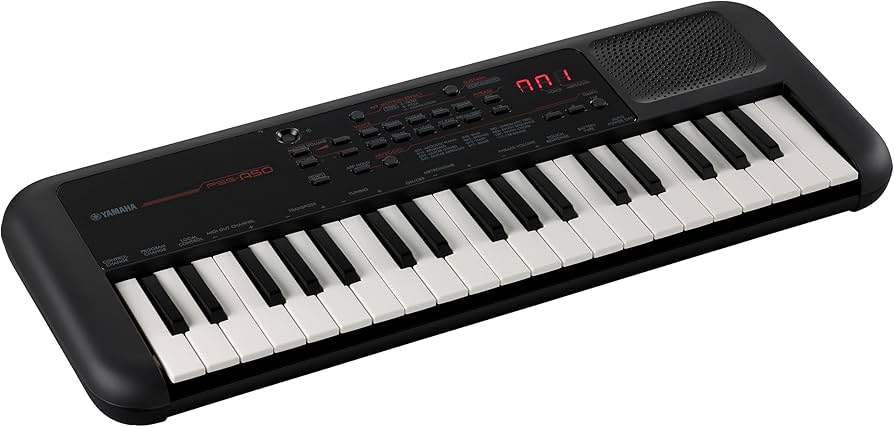
Yamaha PSS-A50 Portable Keyboard
4.8(527)
From
$121.00
Across 14 retailers


M-Audio Oxygen Pro Mini USB Controller 32Key Keyboard
4.5(144)
From
$199.00
Across 14 retailers


Alesis 4-Pad Electronic Drum Module
4.0(132)
From
$299.00
Across 14 retailers


Karrera 34in Acoustic Childrens Wooden Guitar (Purple)
4.6(15)
From
$59.00
Across 13 retailers


Karrera 39in Electric Guitar (Sunburst)
3.9(14)
From
$89.00
Across 13 retailers


Australian Market Context
According to the IBISWorld report on Musical Instrument Retailing in Australia, the industry generates approximately $650 million in annual revenue. The market has seen a shift toward digital integration, with electronic instruments and production software accounting for a growing share of total sales. Australian retailers typically experience significant cyclical demand patterns linked to the academic calendar, with a notable spike in sales during the first quarter as students return to school and begin music programs. Additionally, the industry follows broader retail trends, with heightened activity during the final quarter of the year. Economic factors, including fluctuations in the Australian dollar, directly impact the cost of imported instruments, which constitute the vast majority of the inventory sold domestically. Retailers often adjust their pricing strategies in response to these currency shifts, making it essential for consumers to monitor market trends over time. The rise of e-commerce has further intensified price competition, forcing traditional brick-and-mortar stores to adopt omnichannel strategies to maintain their market share. Understanding these seasonal and economic drivers allows consumers to better navigate the complexities of the Australian musical instrument market.
Where to Buy Musical Instruments — Price Comparison
| Retailer | Products tracked | Price range |
|---|---|---|
| JB Hi-Fi | 135 | $13.05 – $1759.50 |
| eBay | 115 | $14.95 – $2599.00 |
| Bunnings Warehouse | 102 | $14.05 – $1759.50 |
| Kogan.com | 102 | $19.95 – $569.00 |
| BIG W | 101 | $13.05 – $1002.15 |
| Dick Smith AU | 74 | $19.95 – $569.00 |
| Karrera | 68 | $30.00 – $673.00 |
| Harvey Norman | 68 | $35.00 – $419.00 |
Buying Musical Instruments in Australia: What to Know
Purchasing musical instruments in Australia requires attention to both seasonal sales cycles and technical specifications. To secure the best value, plan your major purchases around key Australian retail events: EOFY sales in June, Click Frenzy in May and November, Black Friday in November, and the traditional Boxing Day sales in December. When buying electronic instruments, such as synthesizers or digital pianos, ensure the unit is compliant with Australian power standards, specifically 230V/50Hz. Avoid purchasing grey-market imports that may require external voltage converters, as these can void local warranties and complicate repairs. For acoustic instruments like guitars or violins, consider the Australian climate; high humidity in coastal regions or extreme dryness in inland areas can cause wood to warp or crack. Always check that the instrument comes with a hard case to protect against these environmental fluctuations. A common pitfall is neglecting the cost of essential accessories, such as cables, stands, or amplifiers, which are often sold separately. Before buying, verify the retailer's return policy, as many stores have strict conditions for delicate items. Always prioritize instruments that offer a local manufacturer warranty, as international warranties are often difficult to enforce within the Australian consumer law framework.
Common Questions
What is the best time of year to buy musical instruments in Australia?
The best time to buy is during major Australian retail events. EOFY (End of Financial Year) in June is excellent for professional gear as businesses clear stock. Black Friday in November and Boxing Day in December offer the deepest discounts across most categories. Additionally, Click Frenzy events in May and November often feature online-exclusive deals. Tracking price history is recommended, as some retailers inflate prices before these events to make discounts appear larger than they actually are.
Do I need to worry about voltage when buying electronic instruments in Australia?
Yes, electronic instruments must be compatible with the Australian power standard of 230V/50Hz. If you purchase an instrument from overseas, such as from the US (110V), you will require a high-quality step-down transformer, which can be expensive and cumbersome. Using an incorrect voltage can permanently damage the internal circuitry of your instrument. Always check the specifications on the product page or the manufacturer's label to ensure the device is rated for Australian power outlets before completing your purchase.
Are musical instruments covered by Australian Consumer Law?
Yes, all musical instruments purchased from Australian retailers are covered by Australian Consumer Law (ACL). This provides automatic consumer guarantees, meaning products must be of acceptable quality, fit for purpose, and match the description provided. If an instrument is faulty, you are entitled to a repair, replacement, or refund depending on the severity of the issue. These rights exist independently of any manufacturer's warranty and cannot be waived by the retailer, providing a significant safety net for local buyers.
How does the Australian climate affect acoustic instruments?
Australia's diverse climate can significantly impact acoustic instruments made of wood, such as guitars, cellos, and pianos. High humidity in coastal areas can cause wood to swell, leading to high action or sticky keys, while dry inland air can cause wood to shrink, resulting in cracks or fret sprout. It is highly recommended to store acoustic instruments in a hard case with a humidity control pack or a room humidifier/dehumidifier to maintain a stable environment and prevent long-term structural damage.
Is it cheaper to buy musical instruments online or in-store?
Online retailers often have lower overheads and can offer more competitive pricing, especially during major sales events. However, buying in-store allows you to physically test the instrument, which is crucial for comfort and sound preference. Many Australian retailers now offer 'price match' policies, where they will match a lower price found at a competitor. It is often worth checking the price online and visiting a local store to see if they will match that price, giving you the best of both worlds.
Related Categories
Compare Musical Instruments prices by brand
- HR-Sports Musical Instruments57 recently priced products
- Axiom Musical Instruments36 recently priced products
- Alesis Musical Instruments12 recently priced products
- Freedom Musical Instruments12 recently priced products
- エスエス 製薬 Musical Instruments8 recently priced products
- Diamond Musical Instruments6 recently priced products
- Martin Musical Instruments6 recently priced products
- Harvey Norman Musical Instruments5 recently priced products