
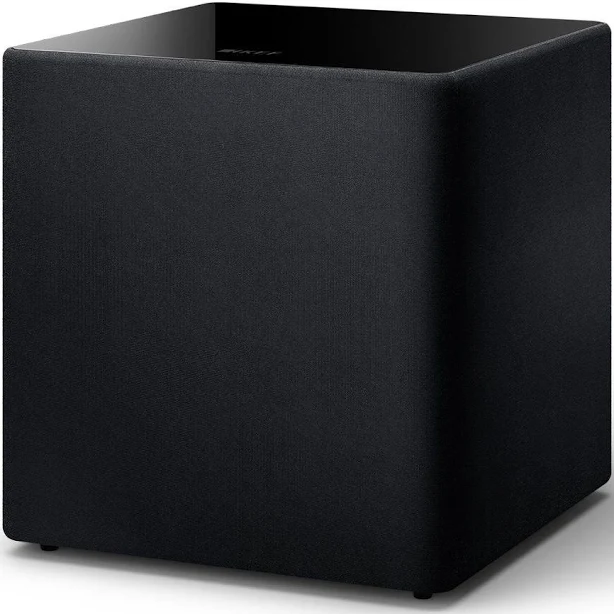
KEF Kube 15 MIE 15" Powered Subwoofer
4.6(11)
From
$1000.00
Across 17 retailers

983 products in the catalogue · 851 with prices across 8 retailers from $14 to $9100.
From
$1000.00
Across 17 retailers
From
$1149.00
Across 17 retailers
From
$549.00
Across 15 retailers
From
$607.00
Across 15 retailers
No reviews yet
From
$51.95
Across 14 retailers

From
$67.00
Across 14 retailers
From
$102.99
Across 14 retailers
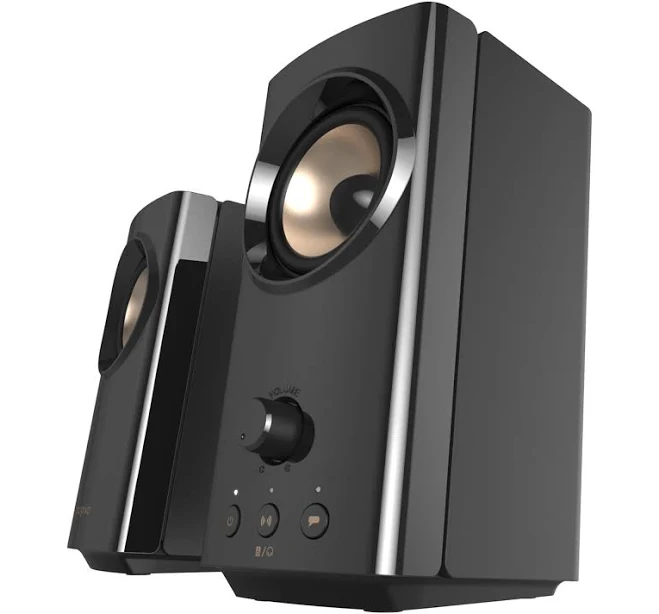
From
$108.00
Across 14 retailers
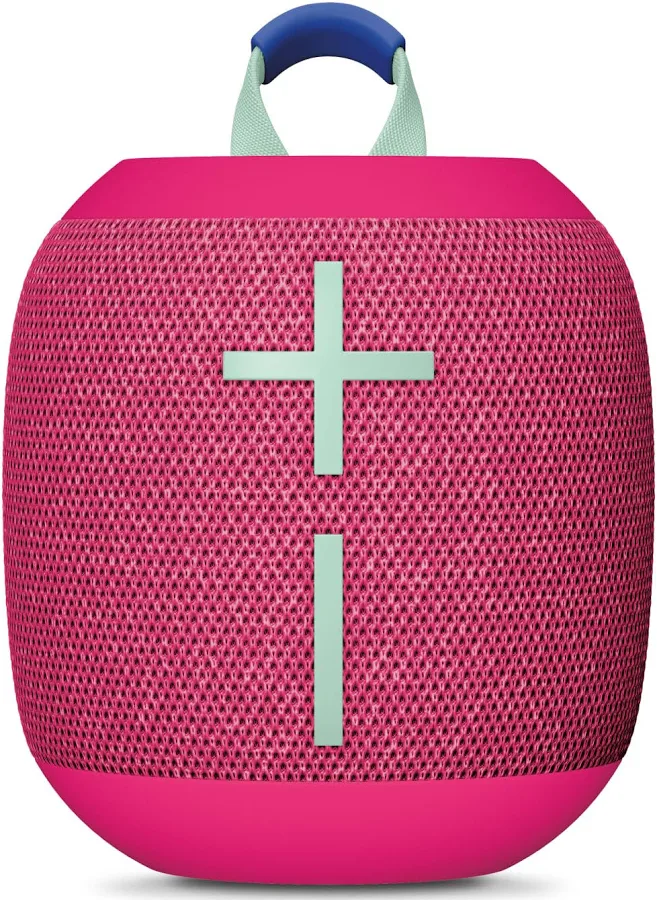
From
$112.00
Across 14 retailers
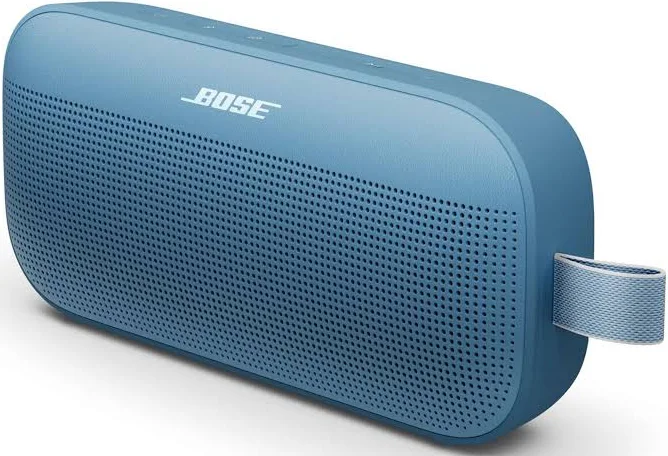
From
$188.83
Across 14 retailers
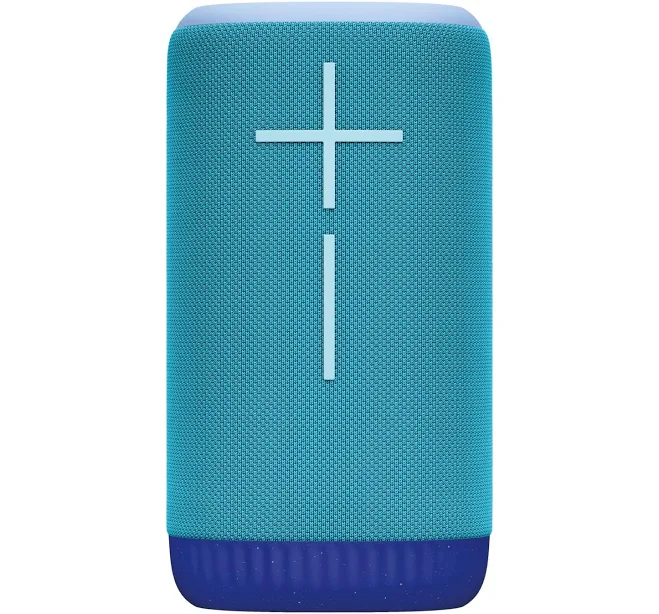
From
$199.95
Across 14 retailers
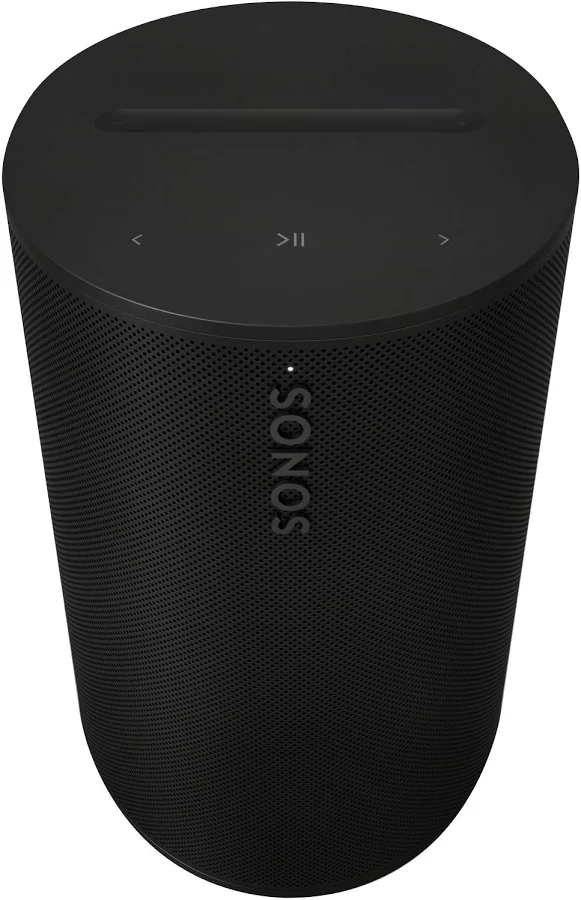
From
$245.00
Across 14 retailers
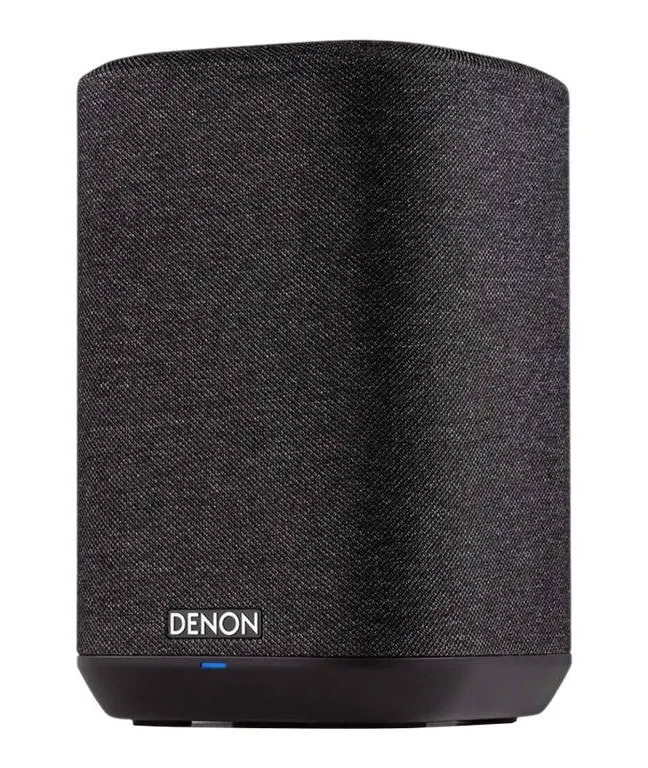
From
$265.00
Across 14 retailers
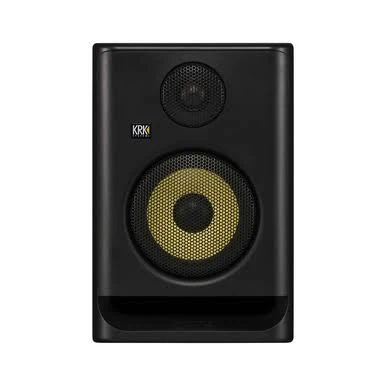
From
$289.00
Across 14 retailers
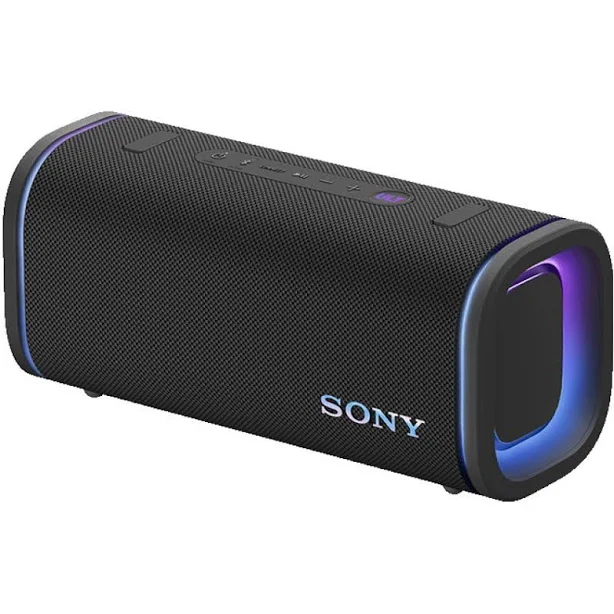
From
$298.00
Across 14 retailers
From
$319.00
Across 14 retailers
From
$349.00
Across 14 retailers
From
$518.00
Across 14 retailers
From
$519.96
Across 14 retailers
From
$649.00
Across 14 retailers
From
$809.00
Across 14 retailers
According to the latest IBISWorld industry report on consumer electronics retailing in Australia, the audio equipment sector remains a resilient segment of the broader retail market, with annual revenue exceeding $2.5 billion AUD. This market is heavily influenced by cyclical consumer spending patterns that align with major Australian retail events. Demand typically peaks during the fourth quarter, driven by the holiday shopping season and the influx of new product releases ahead of the new year. Conversely, the first quarter often sees a cooling period as retailers clear out excess inventory. Technological shifts, particularly the integration of voice-assistant ecosystems and multi-room wireless connectivity, have significantly altered consumer preferences over the last three years. Retailers are increasingly focused on omnichannel strategies, blending physical showroom experiences with robust e-commerce platforms to capture the growing demand for home entertainment upgrades. As inflation impacts discretionary spending, Australian consumers are showing a marked preference for value-oriented brands that offer high performance-to-price ratios. This shift has forced retailers to maintain competitive pricing structures throughout the year, rather than relying solely on traditional seasonal sales, resulting in a more dynamic and price-sensitive retail environment for audio hardware across the country.
| Retailer | Products tracked | Price range |
|---|---|---|
| JB Hi-Fi | 478 | $16.95 – $9100.00 |
| eBay | 407 | $19.95 – $7220.89 |
| Woolworths | 268 | $19.95 – $1899.00 |
| Kogan.com | 248 | $17.95 – $2299.00 |
| BIG W | 241 | $15.00 – $1899.00 |
| Dick Smith AU | 229 | $17.95 – $2299.00 |
| Harvey Norman | 163 | $14.00 – $3999.00 |
| MightyApe.com.au | 133 | $34.00 – $1899.00 |
When purchasing speakers in Australia, timing your acquisition is critical to securing the best value. Major savings are consistently found during the End of Financial Year (EOFY) sales in June, Click Frenzy events in May and November, and the massive Black Friday and Boxing Day sales in November and December. When evaluating specifications, prioritize frequency response, sensitivity, and impedance. For Australian consumers, it is essential to ensure that any imported or specialized audio equipment complies with Australian electrical standards, specifically the 230V/50Hz power supply requirements. Using non-compliant power adapters can lead to equipment failure or safety hazards. If you are purchasing outdoor or portable speakers, consider the IP (Ingress Protection) rating; Australia’s harsh UV exposure and humidity levels can degrade materials faster than in cooler climates, so look for UV-stabilized casings and high-quality seals. Avoid the common pitfall of over-specifying for your room size; a large floor-standing speaker in a small apartment will often result in muddy, boomy bass due to acoustic reflections. Always measure your space and consider the room's acoustics—hard surfaces like floorboards and glass will increase reverberation, whereas soft furnishings help dampen sound, affecting the overall clarity of your audio setup.
For Australian outdoor environments, prioritize speakers with an IP67 rating or higher, which ensures protection against dust and temporary water immersion. Given Australia's high UV index, look for models constructed with UV-resistant materials to prevent the casing from becoming brittle or discolored over time. Bluetooth connectivity is standard, but check for 'Party Mode' features if you intend to link multiple speakers for larger backyard gatherings. Ensure the battery life is rated for at least 12 hours to cover extended outdoor sessions without needing a power source.
Whether you need an external amplifier depends on if your speakers are 'active' or 'passive.' Active speakers have built-in amplification and can be connected directly to your audio source, such as a smartphone or turntable. Passive speakers require an external amplifier or receiver to provide power and signal processing. In Australia, many entry-level hi-fi setups use compact integrated amplifiers that support both wired inputs and modern wireless streaming protocols, providing a versatile solution for home audio enthusiasts who want to upgrade from basic soundbars.
Not all imported speakers come with Australian-compliant plugs. While many global brands provide multi-region power bricks, some high-end or niche audio equipment may come with US or EU plugs. It is essential to check the product specifications before purchase. If an item requires a plug adapter, ensure it is a high-quality, safety-certified unit. Using cheap, uncertified adapters can cause voltage inconsistencies that may damage sensitive internal components or pose a fire risk in your home, especially given the Australian 230V/50Hz standard.
Room size is the most critical factor in acoustic performance. Small rooms benefit from bookshelf speakers or compact monitors, as they provide clear, localized sound without overwhelming the space with excessive bass. Large, open-plan living areas common in Australian homes often require floor-standing speakers or a dedicated subwoofer to fill the space effectively. If you place large speakers in a small room, you will likely experience 'standing waves' and bass distortion. Always consider the distance between the speakers and your primary listening position for the best stereo imaging.
Bluetooth speakers offer convenience and portability, connecting directly to your device for short-range audio streaming. However, they compress audio, which can reduce quality. Wi-Fi speakers connect to your home network, allowing for higher-bandwidth, lossless audio streaming and multi-room synchronization. Wi-Fi speakers are ideal for permanent home installations where you want to stream music from services like Spotify or Tidal throughout the house. Bluetooth is better for casual, mobile use, whereas Wi-Fi is the preferred choice for serious home audio systems requiring stability and higher fidelity.