
- Category
- Smart Home & Connected Devices
- Country
- Australia
- Catalogue products
- 1163
- Products with prices
- 1017
- Retailer count
- 8
- Min price (AUD)
- $1.95
- Max price (AUD)
- $3438.00
Smart Home & Connected Devices in Australia
1163 products in the catalogue · 1017 with prices across 8 retailers from $2 to $3438.
Smart home and connected devices in Australia typically range from $30 for basic smart plugs to over $3,500 for comprehensive home automation hubs and security systems. Whether you are looking for smart lighting, climate control, or advanced security cameras, the market offers a vast array of options to suit different budgets and technical requirements. Navigating this fragmented market can be challenging, as prices fluctuate significantly based on promotional cycles and stock availability. At WhatsCheap, we simplify your shopping experience by providing real-time price comparisons and detailed historical price data. By tracking how costs have shifted over time, we help you identify genuine discounts and avoid inflated price tags, ensuring you secure the most competitive deal available in the Australian market today.Read smart home & connected device buying guideHide smart home & connected device buying guide
Top Smart Home & Connected Devices Products
View All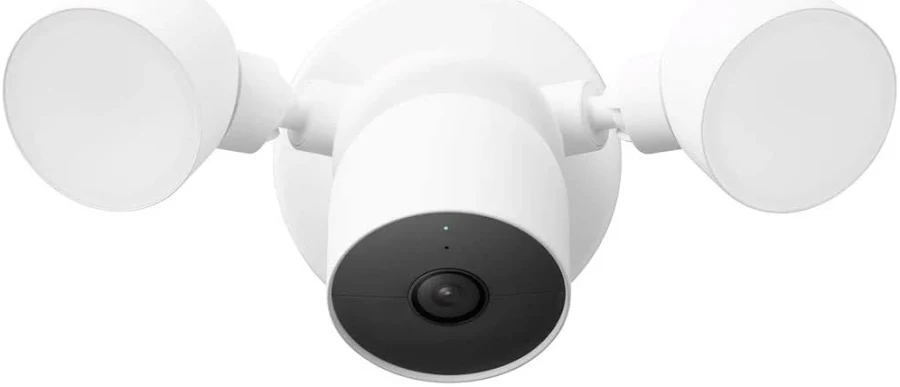
Google Nest Cam Outdoor Floodlight
4.3(1K)
From
$344.56
Across 15 retailers

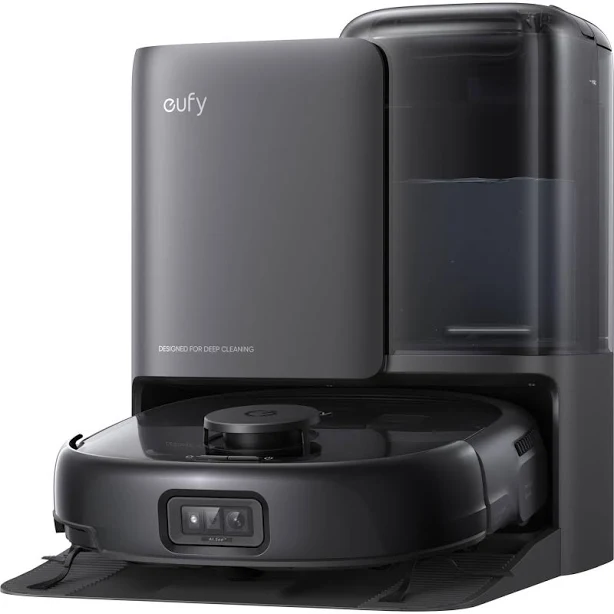
eufy E25 Omni Robotic Vacuum
4.7(242)
From
$898.00
Across 15 retailers

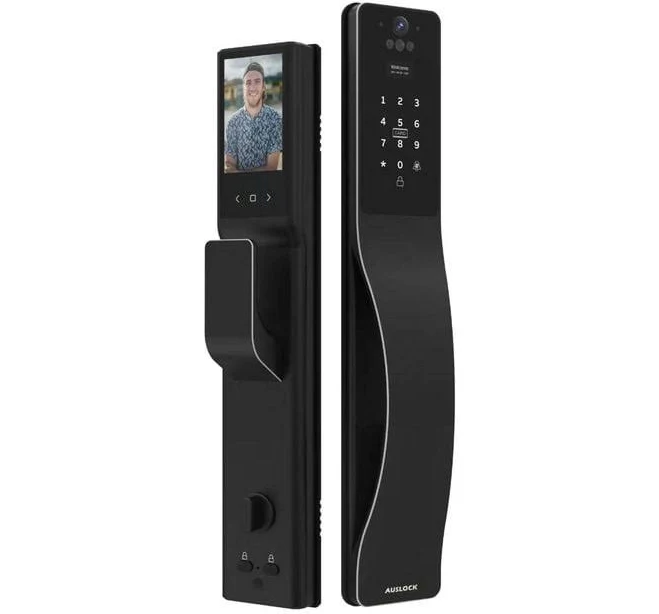
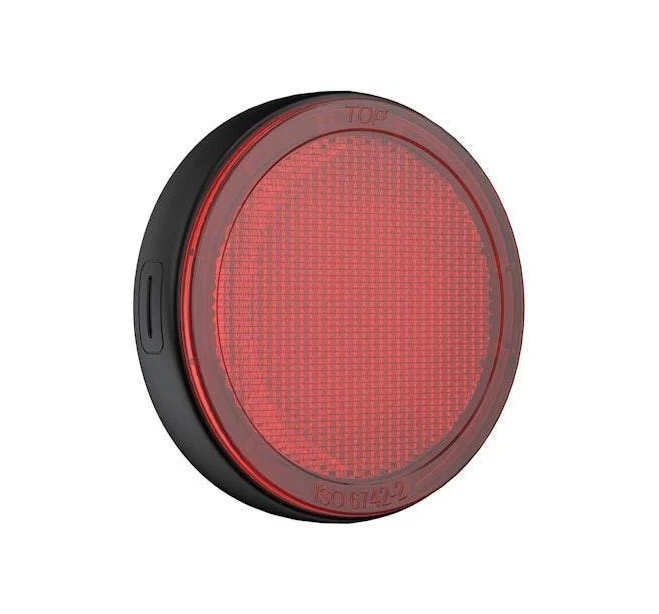
Laser Smart Tag with Red Reflector for Apple Find My (Red)
No reviews yet
From
$18.00
Across 14 retailers
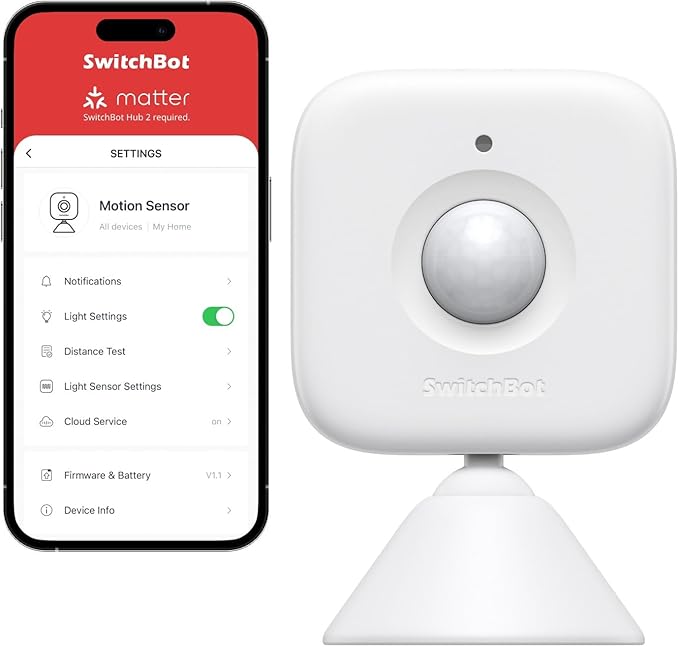
SwitchBot Motion Sensor
4.7(161)
From
$21.11
Across 14 retailers
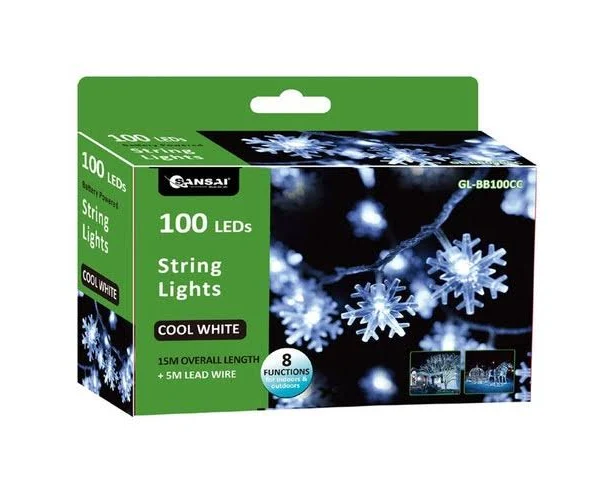
Sansai 100 LED Snowflake String Lights (Cool White)
No reviews yet
From
$24.90
Across 14 retailers
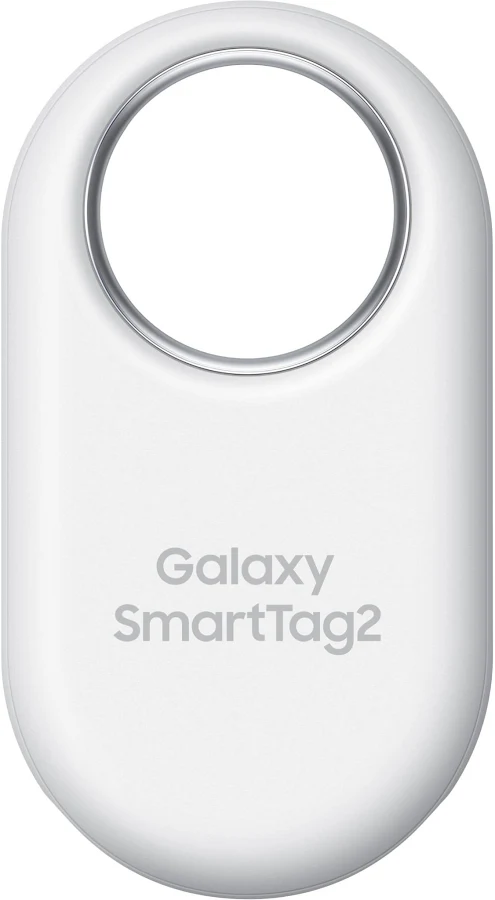
Samsung Smart Tag2 Bluetooth Tracker 1 Pack (White)
4.6(9K)
From
$30.00
Across 14 retailers
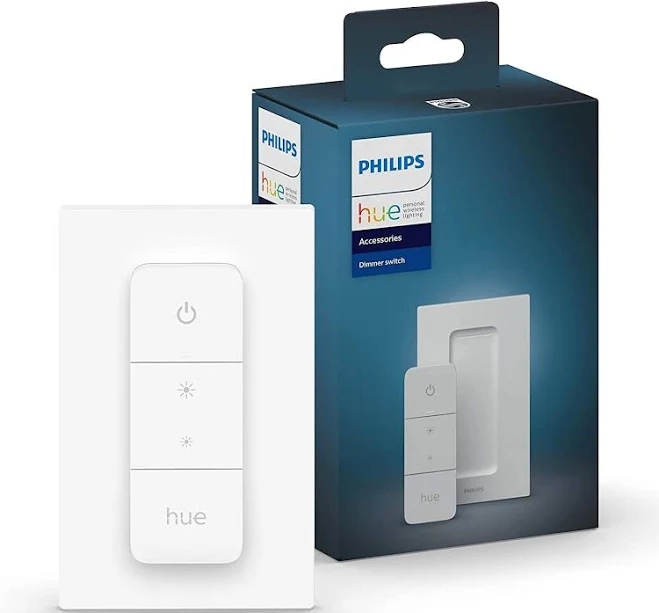
Philips Hue Dimmer Switch V2
4.8(46)
From
$32.00
Across 14 retailers
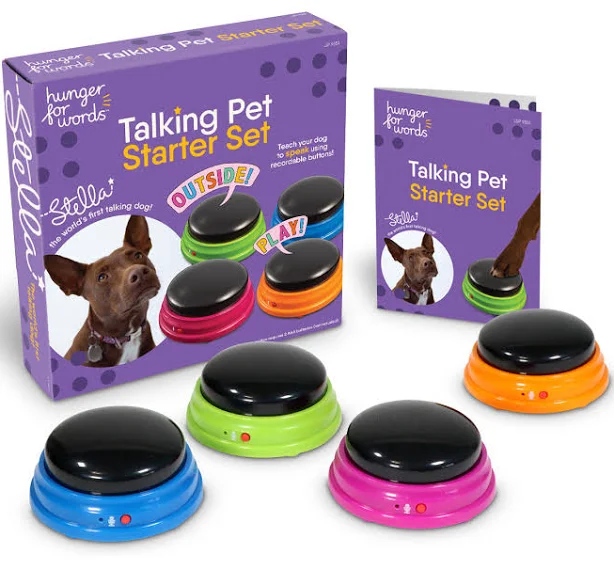
Hunger for Words Talking Pet Starter Kit
3.5(634)
From
$35.00
Across 14 retailers
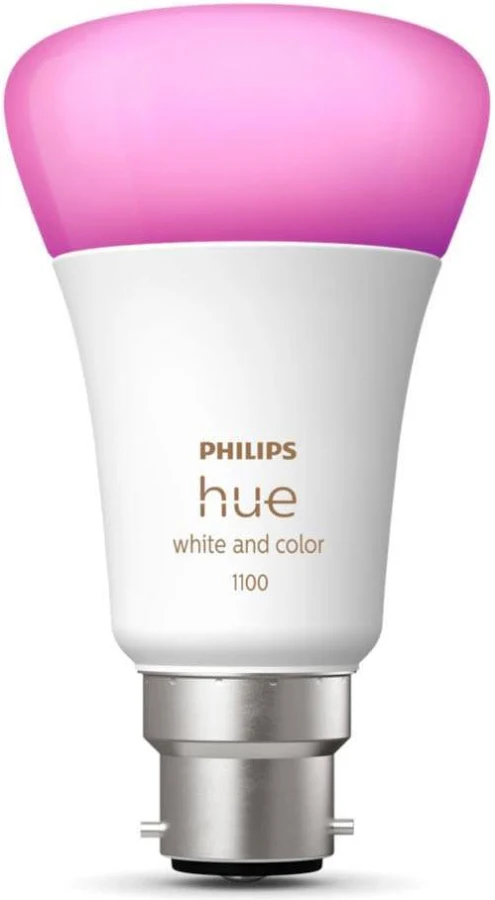
Philips Hue B22 A60 Colour Bluetooth Bulb [2022]
4.7(9)
From
$61.00
Across 14 retailers
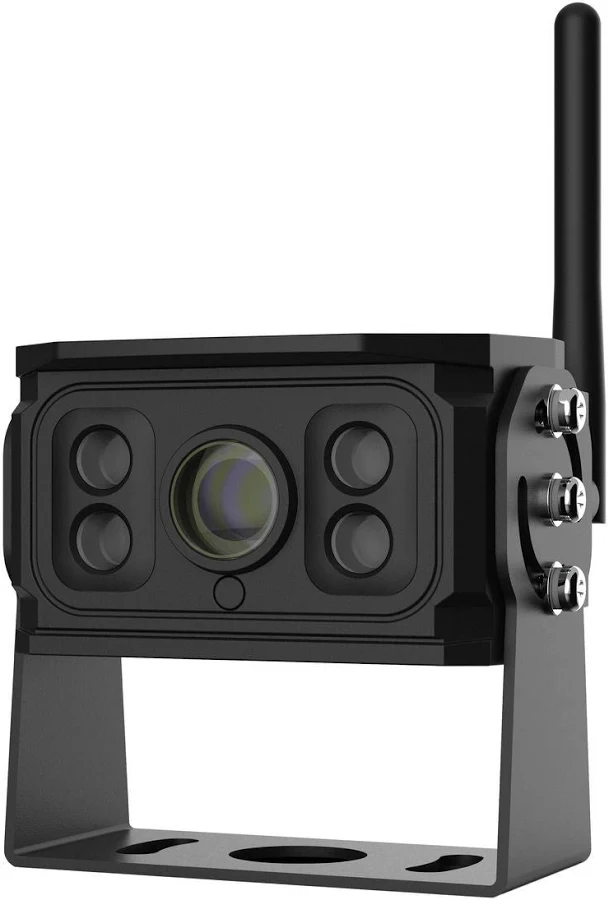
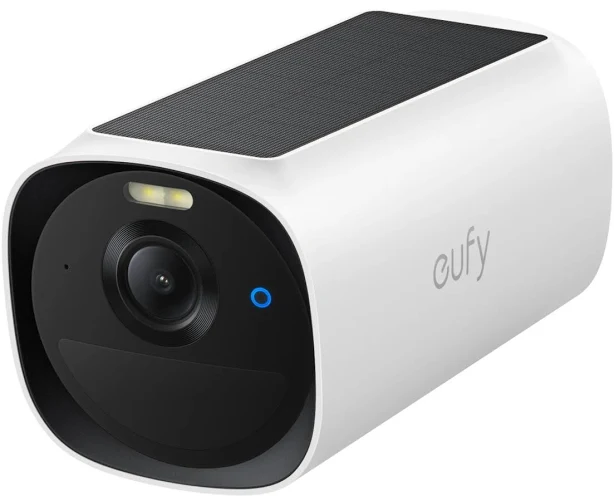
eufy Eufycam E40 Add-on Camera
4.2(32)
From
$199.00
Across 14 retailers
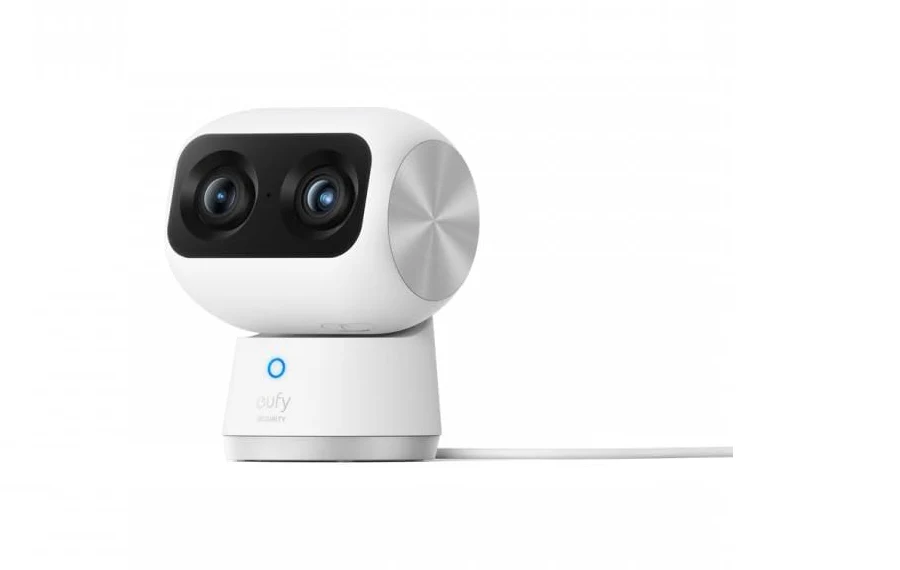
eufy S350 Indoor Security Camera
4.6(539)
From
$216.00
Across 14 retailers
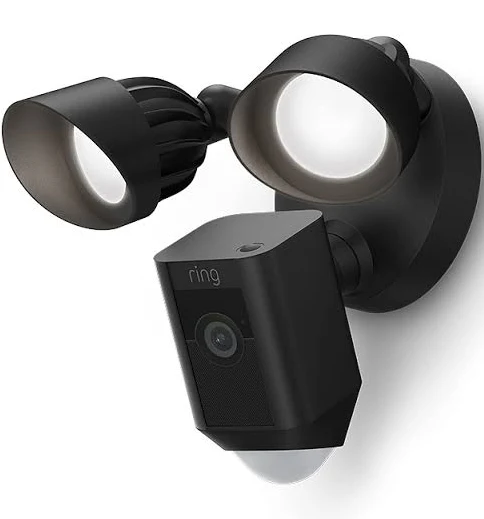
Ring Floodlight Cam Wired Plus Black
4.7(4K)
From
$224.93
Across 14 retailers
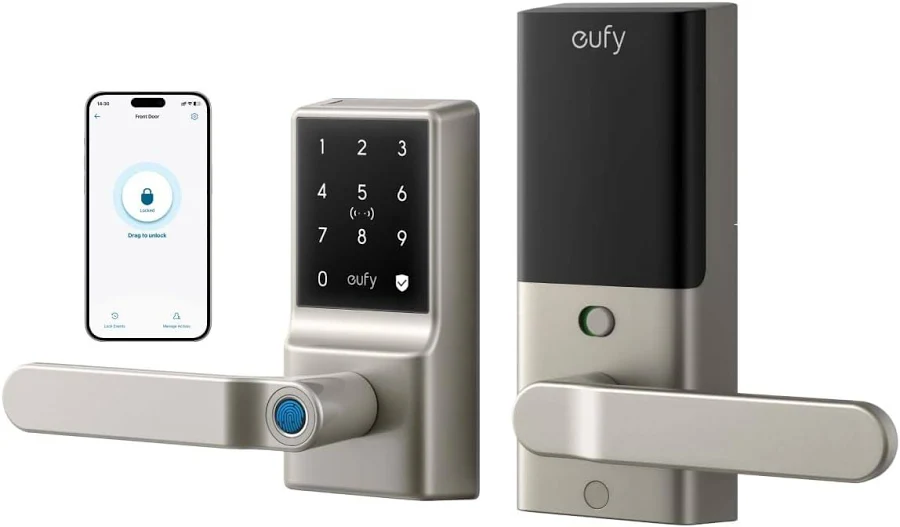
eufy C33 Smart Security Lever Door Lock (Nickel)
4.4(73)
From
$296.91
Across 14 retailers
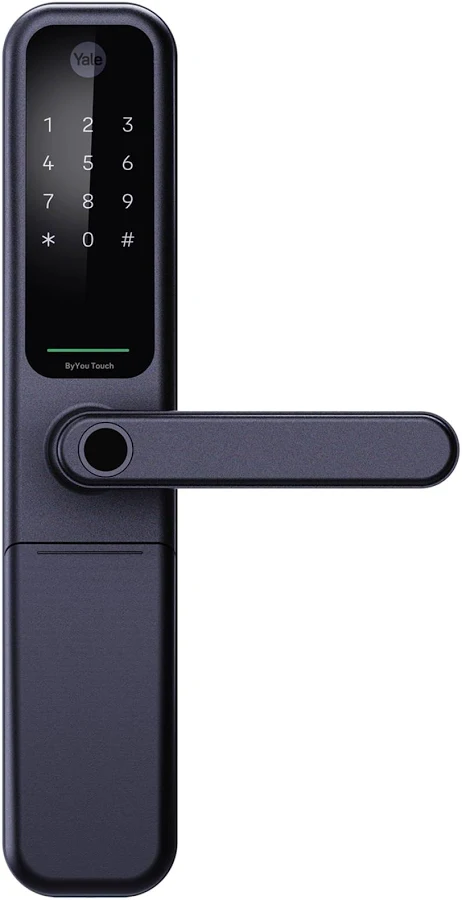
Yale ByYou Pro Smart Mortice Lock
5.0(3)
From
$598.00
Across 14 retailers
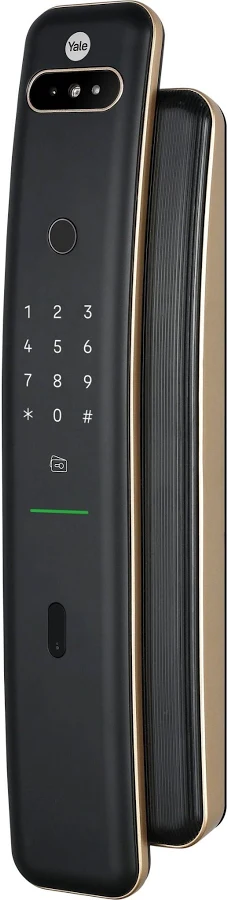
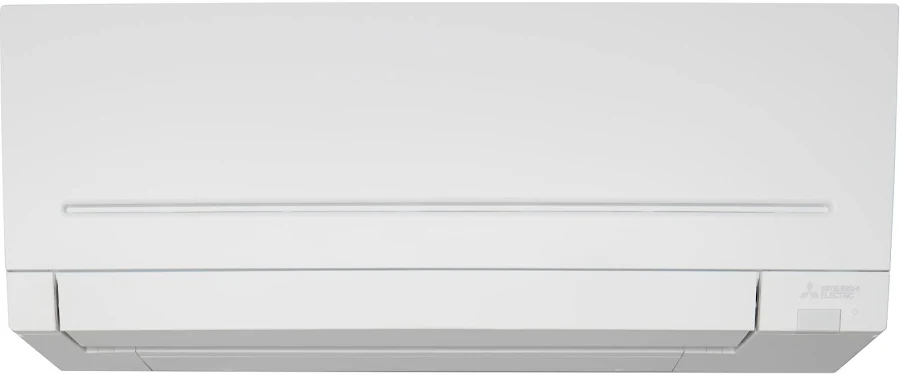
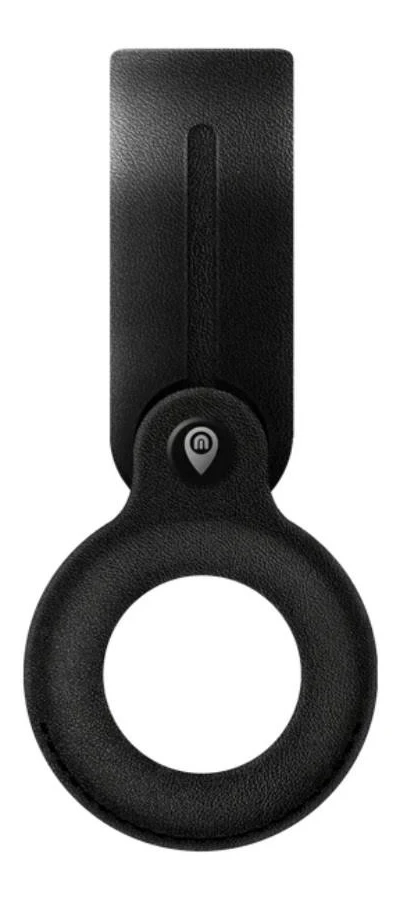
Moki Leather Loop Holder for MokiTag
No reviews yet
From
$10.49
Across 13 retailers
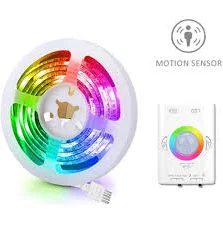
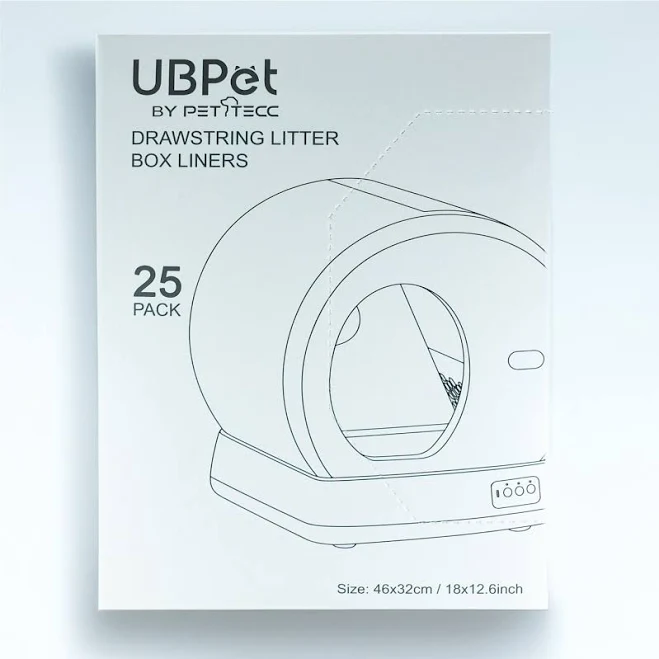
UB Pet Liner Bags
3.4(47)
From
$13.00
Across 13 retailers
Australian Market Context
According to the IBISWorld industry report on Smart Home Device Retailing in Australia, the sector has experienced consistent growth, with market revenue now exceeding $1.2 billion annually. This expansion is driven by increased consumer interest in energy efficiency and home security integration. The Australian market exhibits distinct seasonal patterns, with demand peaking significantly during the final quarter of the year. Retailers typically see a surge in connected device sales during the November Black Friday and Cyber Monday windows, as well as the post-Christmas Boxing Day sales period. Conversely, the first quarter often sees a cooling in consumer spending as households recover from holiday expenditures. Furthermore, the adoption of smart home technology is heavily influenced by the Australian housing market, where new builds increasingly incorporate pre-wired automation features. As energy prices remain a concern for Australian households, smart thermostats and energy monitoring plugs have become high-volume segments, reflecting a broader trend toward utility management through connected hardware.
Where to Buy Smart Home & Connected Devices — Price Comparison
| Retailer | Products tracked | Price range |
|---|---|---|
| JB Hi-Fi | 562 | $9.00 – $3438.00 |
| eBay | 535 | $1.95 – $3022.88 |
| BIG W | 382 | $10.49 – $2999.00 |
| Woolworths | 358 | $10.49 – $2999.00 |
| Dick Smith AU | 339 | $20.95 – $2699.99 |
| Kogan.com | 338 | $14.00 – $2699.99 |
| Harvey Norman | 212 | $14.99 – $2199.00 |
| The Good Guys | 153 | $4.00 – $2499.00 |
Buying Smart Home & Connected Devices in Australia: What to Know
When purchasing smart home devices in Australia, timing your acquisition is critical to achieving the lowest price. Major shopping events such as the End of Financial Year (EOFY) sales in June, Click Frenzy events in May and November, and the traditional Boxing Day sales in December offer the most significant discounts. When selecting hardware, always ensure the device is compliant with Australian electrical standards, specifically 230V/50Hz power requirements, to avoid compatibility issues or safety risks. For outdoor devices, consider Australia’s harsh UV exposure and varying humidity levels; look for products with an IP (Ingress Protection) rating suitable for your local climate. A common pitfall is purchasing devices that rely on proprietary hubs that are not compatible with your existing ecosystem, such as Apple HomeKit, Google Home, or Amazon Alexa. Always verify the connectivity protocol—whether Wi-Fi, Zigbee, or Matter—to ensure seamless integration. Avoid 'grey market' imports from overseas retailers, as these may lack Australian warranty support and could fail to meet local telecommunications regulatory standards for wireless frequency bands.
Common Questions
Are smart home devices in Australia compatible with all power outlets?
Yes, all smart plugs and connected devices sold through major Australian retailers are designed to fit standard Australian three-pin power outlets. These devices are engineered to operate on the local 230V/50Hz electrical grid. When shopping, always check for the RCM (Regulatory Compliance Mark) on the packaging, which indicates that the product meets Australian safety and electromagnetic compatibility standards. Avoid purchasing uncertified smart plugs from international marketplaces, as they may not meet these specific safety requirements and could pose a fire risk.
Do I need a hub for my smart home system?
Whether you need a hub depends on the communication protocol your devices use. Many modern smart devices connect directly to your Wi-Fi network and can be controlled via an app without a hub. However, devices using Zigbee or Z-Wave protocols require a hub to bridge the connection to your router. If you are building a large-scale system with many sensors and lights, a hub is often recommended to reduce Wi-Fi congestion and improve response times across your home network.
What is the Matter standard and why does it matter for Australian consumers?
Matter is a new, universal connectivity standard designed to allow smart home devices from different manufacturers to work together seamlessly. For Australian consumers, this means you no longer need to worry if a smart light bulb works with your specific smart speaker. If a device is 'Matter-certified,' it will function across Apple Home, Google Home, Amazon Alexa, and Samsung SmartThings platforms. This reduces the risk of 'vendor lock-in' and makes it easier to expand your smart home ecosystem over time.
How do I ensure my smart home devices are secure?
Security is paramount when connecting devices to your home network. Always change the default passwords on your smart devices immediately upon setup to prevent unauthorized access. Ensure your home Wi-Fi router is protected with a strong, unique password and WPA3 encryption if available. Regularly check for and install firmware updates provided by the manufacturer, as these often contain critical security patches. Finally, disable remote access features if you do not intend to use them, and consider placing smart devices on a separate guest network.
Which smart home ecosystem is best for Australian homes?
There is no single 'best' ecosystem, as the right choice depends on the devices you already own. If you are an iPhone user, Apple HomeKit offers deep integration and high privacy standards. Google Home is widely considered the most versatile for voice recognition and integration with Android devices. Amazon Alexa offers the largest range of compatible third-party hardware. Most Australian households choose based on their existing smartphone preference, but with the introduction of the Matter standard, the differences between these ecosystems are becoming less restrictive.