
- Category
- Fitness Equipment
- Country
- Australia
- Catalogue products
- 275
- Products with prices
- 263
- Retailer count
- 8
- Min price (AUD)
- $5.00
- Max price (AUD)
- $2369.99
Fitness Equipment in Australia
275 products in the catalogue · 263 with prices across 8 retailers from $5 to $2370.
Fitness equipment in Australia typically ranges from $50 for basic resistance bands to over $5,000 for premium commercial-grade treadmills and home gym systems. Major Australian retailers including Rebel Sport, Gym and Fitness, and Catch stock a vast array of these products to suit various training needs. Whether you are setting up a small home studio or looking for specific recovery tools, navigating the sheer volume of options can be overwhelming. By centralizing data from dozens of suppliers, we provide a transparent view of the market, allowing you to compare current prices against historical trends. WhatsCheap simplifies your search by highlighting price fluctuations and historical data, helping you identify genuine discounts rather than inflated sale prices. Our goal is to provide the data necessary for you to make an informed purchase decision without the confusion of navigating multiple individual store websites. By utilizing our price comparison tools and historical charts, you can confidently time your purchase to ensure you are securing the most competitive rate available in the current Australian market, saving both time and money on your fitness investment.Read fitness equipment buying guideHide fitness equipment buying guide
Top Fitness Equipment Products
View All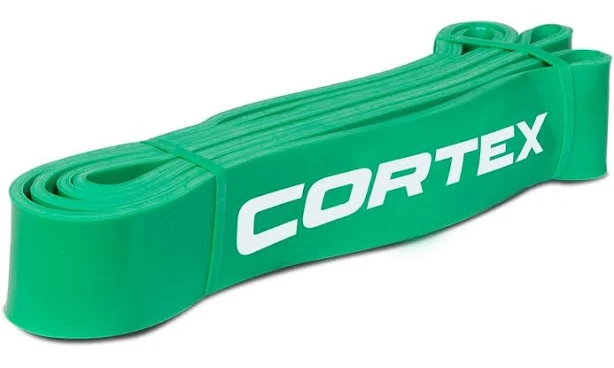
CORTEX Resistance Band 45mm
5.0(3)
From
$19.99
Across 13 retailers

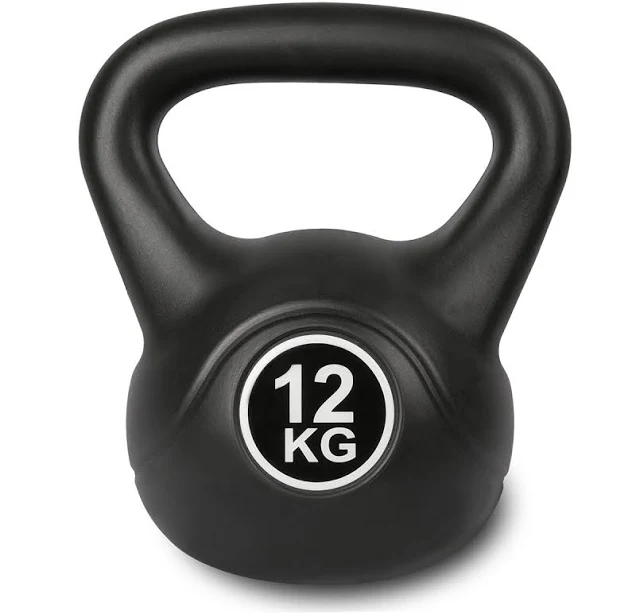
CORTEX 12kg Standard Kettlebell
4.4(34)
From
$19.99
Across 13 retailers

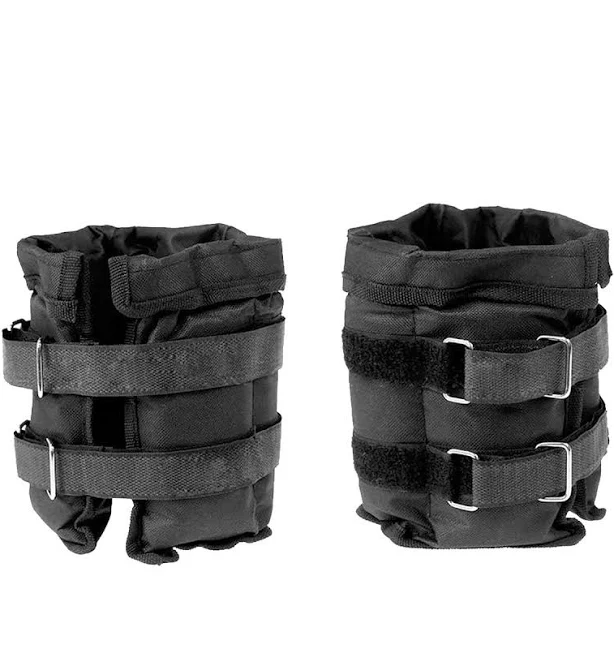
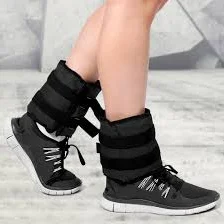
Powertrain 2x 2kg Lead-Free Ankle Weights
4.3(3)
From
$31.00
Across 13 retailers
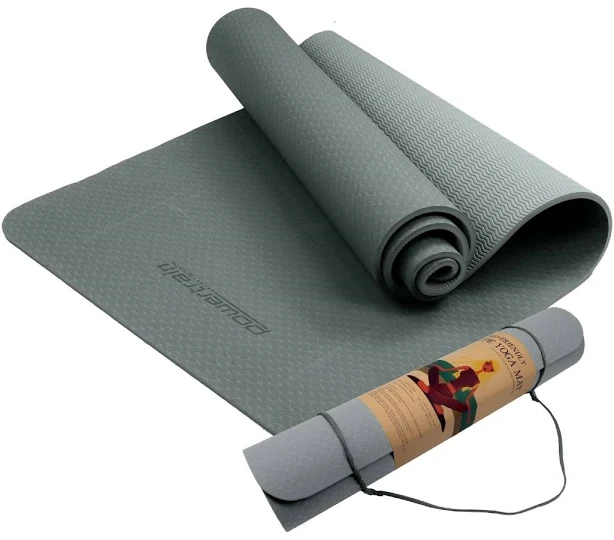
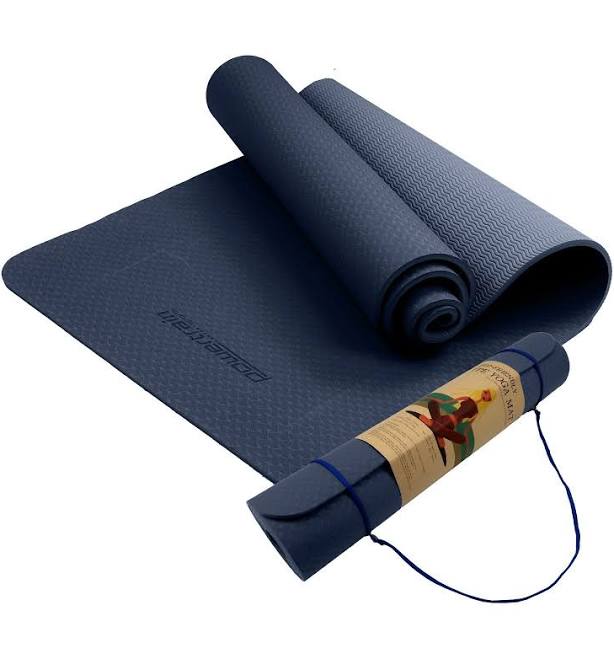
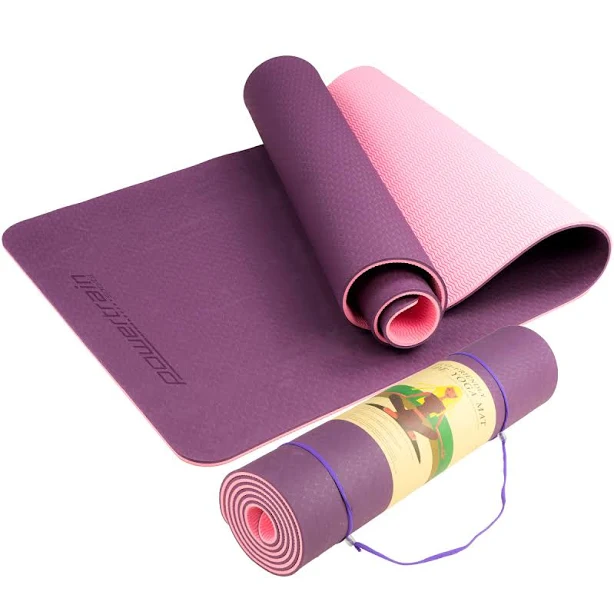
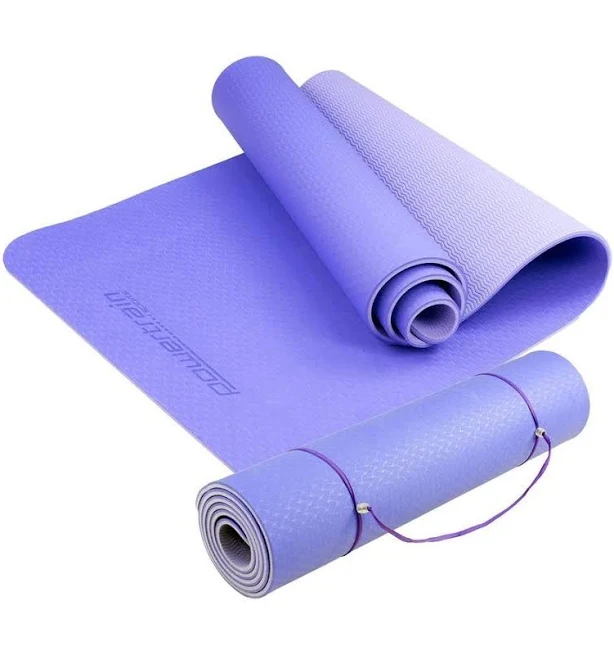
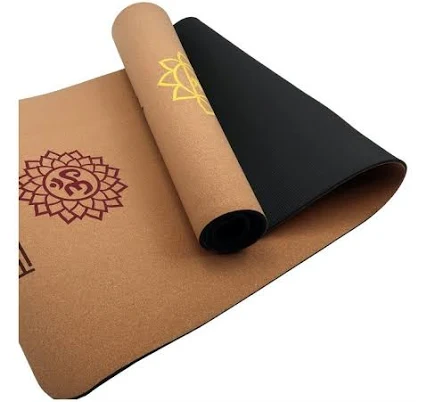
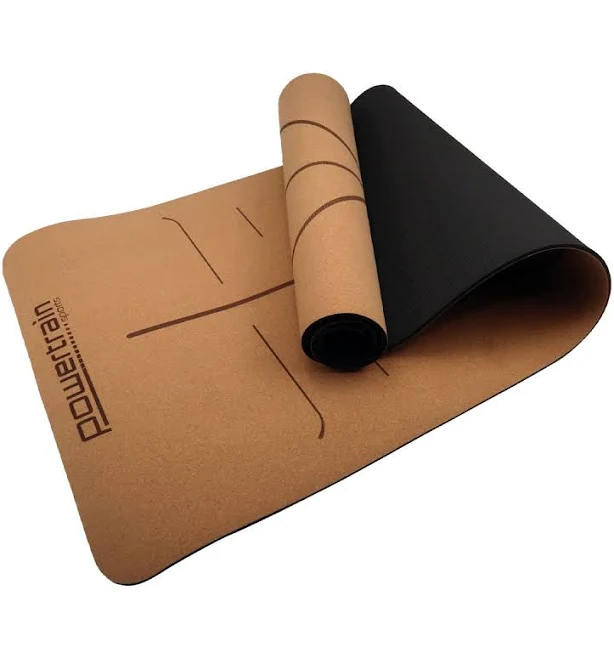

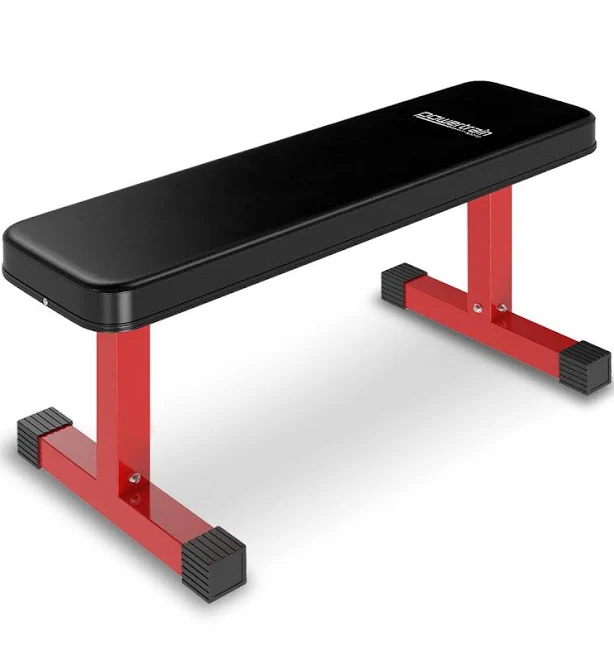
Powertrain Home Gym Flat Bench Press Fitness Equipment
No reviews yet
From
$99.00
Across 13 retailers

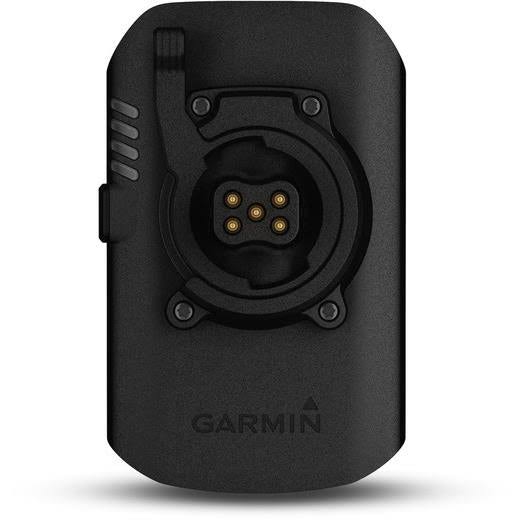
Garmin Edge 130 Power Pack
4.3(48)
From
$119.00
Across 13 retailers
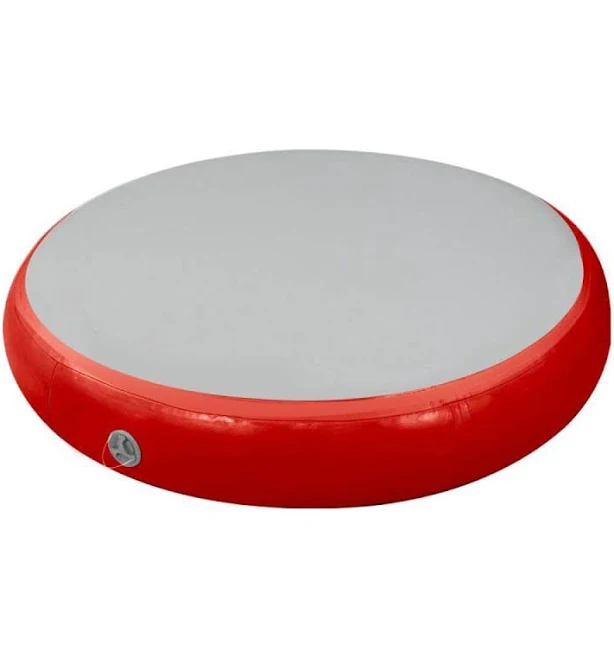


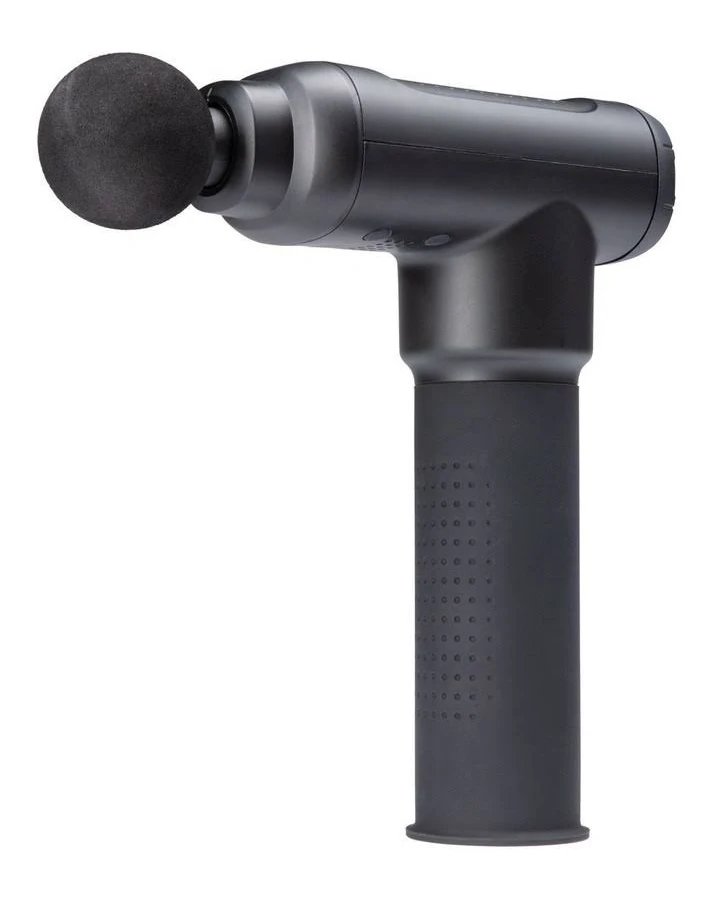
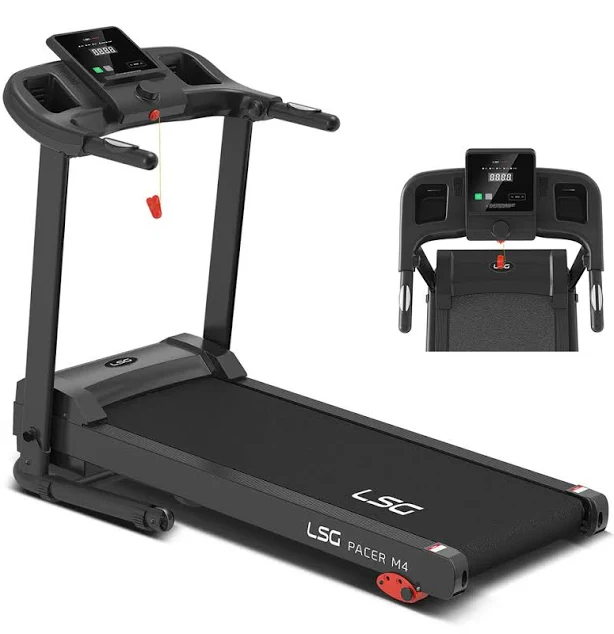
LSG Pacer M4 Treadmill with 12km/h Max Speed, 6 Preset Programs, 1.5CHP EverDrive® H2 Motor, DuraGrip® Running Belt, ShockControl Cushioning, 3 Manual Incline Levels & HydraAssist Soft Drop Folding
4.1(54)
From
$279.00
Across 13 retailers
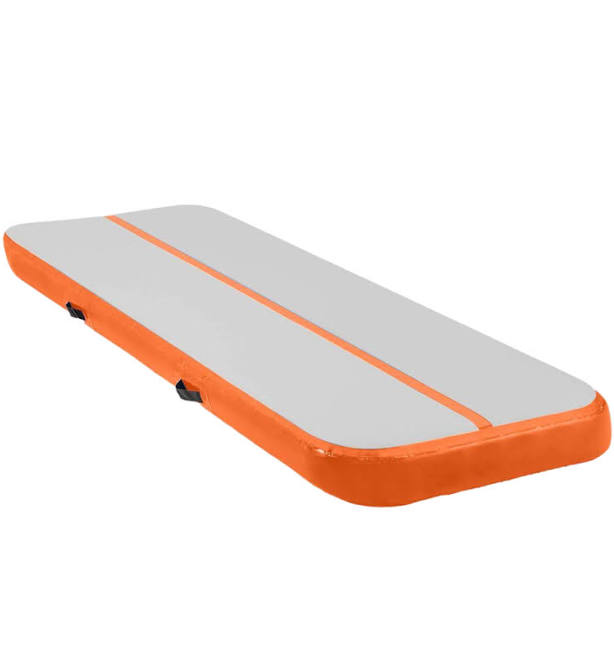
Powertrain 5m x 1m Air Track Inflatable Gymnastics Mat (Orange/Grey)
No reviews yet
From
$309.00
Across 13 retailers
Australian Market Context
According to the IBISWorld industry report on Fitness Equipment Retailing in Australia, the market size is valued at approximately $1.2 billion, reflecting a sustained interest in health and wellness across the nation. This sector has experienced significant shifts, particularly following the increased demand for home-based training solutions. Retailers often observe distinct seasonal patterns in Australia, with a notable surge in consumer spending during the first quarter as individuals pursue New Year fitness resolutions. Conversely, demand often plateaus during the winter months, leading to increased promotional activity as retailers attempt to clear stock levels. Market data indicates that the shift toward connected fitness technology and smart equipment has become a primary driver of revenue, with consumers increasingly willing to invest in high-tech treadmills, stationary bikes, and rowing machines that integrate with digital training platforms. As the Australian retail landscape continues to evolve, the competition between brick-and-mortar sports outlets and online-only retailers has intensified, leading to more frequent price adjustments and competitive discounting strategies throughout the calendar year. Understanding these cyclical trends is essential for consumers looking to maximize their budget, as retailers align their inventory cycles with these predictable periods of heightened consumer engagement.
Where to Buy Fitness Equipment — Price Comparison
| Retailer | Products tracked | Price range |
|---|---|---|
| JB Hi-Fi | 180 | $5.00 – $1599.00 |
| BIG W | 131 | $17.99 – $2099.00 |
| Woolworths | 129 | $17.99 – $1599.00 |
| eBay | 126 | $9.95 – $2369.99 |
| Harvey Norman | 121 | $14.95 – $2199.00 |
| Kogan.com | 119 | $9.99 – $1879.00 |
| Bunnings Warehouse | 93 | $9.99 – $2199.00 |
| Powertrain Sports and Fitness | 91 | $13.00 – $1599.00 |
Buying Fitness Equipment in Australia: What to Know
Purchasing fitness equipment in Australia requires an understanding of both seasonal retail cycles and technical specifications. To secure the best value, plan your purchases around major Australian retail events such as the End of Financial Year (EOFY) sales in June, Click Frenzy in May and November, Black Friday in late November, and the traditional Boxing Day sales in December. When selecting electrical equipment like treadmills or cross-trainers, always verify that the product complies with Australian power standards, specifically 230V/50Hz, to ensure compatibility with local electrical infrastructure. For outdoor equipment, consider the harsh Australian climate; materials like high-grade powder-coated steel or UV-stabilized plastics are essential to prevent premature rust and degradation caused by extreme heat and high humidity. A common pitfall for buyers is failing to account for floor space and ceiling height, particularly for vertical equipment like squat racks or cable machines. Additionally, check the maximum user weight capacity and the warranty terms provided by the local distributor. Avoid purchasing equipment that lacks local service support, as spare parts for international brands can be difficult to source if the item is not officially imported. Always measure your available space and verify the dimensions of the equipment in its assembled state before finalizing your order.
Common Questions
What is the best time of year to buy fitness equipment in Australia?
In Australia, the best times to purchase fitness equipment are during major retail sales events. The End of Financial Year (EOFY) sales in June and the Black Friday/Cyber Monday period in November are historically the most significant for deep discounts. Additionally, Click Frenzy events in May and November, along with Boxing Day sales in December, offer excellent opportunities to save. Retailers often clear out older models during these times to make room for new inventory, making them ideal windows for consumers seeking high-quality equipment at reduced price points.
Do I need to worry about power voltage for treadmills bought in Australia?
Yes, it is critical to ensure that any motorized fitness equipment you purchase is rated for the Australian power standard of 230V/50Hz. While most reputable retailers operating within Australia only stock compliant models, purchasing from international websites can lead to compatibility issues. Using a machine designed for a different voltage, such as the 110V standard used in the United States, will require a heavy-duty step-down transformer and may void your warranty or pose a significant fire safety risk if not handled correctly.
How can I tell if a fitness equipment sale is actually a good deal?
To determine if a sale is genuine, you should compare the current advertised price against the historical price of the item. Many retailers inflate the 'original' price before a sale to make the discount appear larger than it is. By using a price comparison tool that tracks historical data, you can see if the product has been sold at this 'discounted' price previously. If the current price is significantly lower than the average price over the last six months, it is likely a legitimate deal.
What should I look for in a home gym warranty in Australia?
When buying fitness equipment, look for a warranty that covers the frame, parts, and labor separately. A high-quality frame warranty often lasts for 5 to 10 years, while parts and labor warranties are typically shorter, ranging from 1 to 2 years. Ensure the warranty is provided by an Australian-based company or an authorized local distributor. This ensures that if a part fails, you can easily source a replacement or have a technician service the machine without needing to ship heavy components overseas at your own expense.
Is it better to buy fitness equipment online or in-store?
Both options have advantages. Buying in-store allows you to test the ergonomics of the equipment, such as the feel of a treadmill belt or the stability of a squat rack. However, online retailers often have lower overheads, which can translate to more competitive pricing and a wider selection of products. If you choose to buy online, ensure you check the shipping costs, as heavy fitness equipment can incur significant delivery fees. Always verify the retailer's return policy, especially if you are unable to test the item in person.
Related Categories
Compare Fitness Equipment prices by brand
- Powertrain Fitness Equipment108 recently priced products
- Cortex Fitness Equipment27 recently priced products
- LifeSpan Fitness Equipment11 recently priced products
- Beurer Fitness Equipment10 recently priced products
- BH Fitness Fitness Equipment9 recently priced products
- Therabody Fitness Equipment8 recently priced products
- Wellcare Fitness Equipment7 recently priced products
- Cygnett Fitness Equipment6 recently priced products