
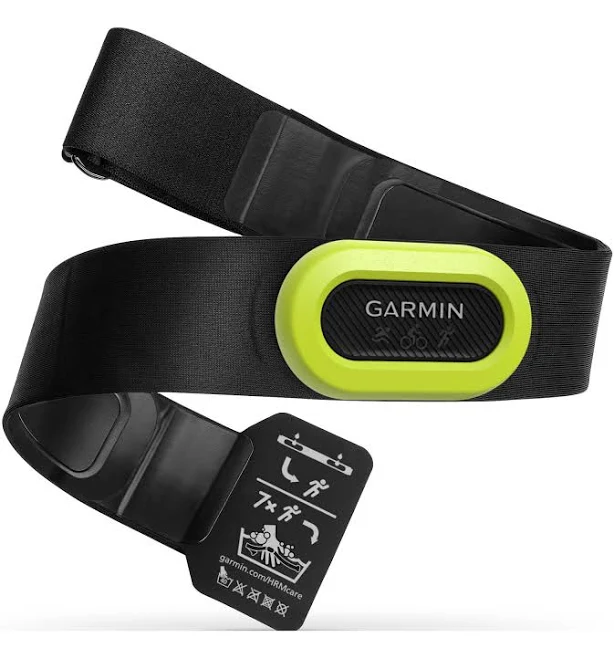
Garmin HRM-Pro Chest Band Heart Rate Monitor
4.6(699)
From
$123.99
Across 15 retailers

115 products in the catalogue · 108 with prices across 8 retailers from $23 to $829.
From
$123.99
Across 15 retailers
From
$146.07
Across 14 retailers
From
$417.00
Across 14 retailers
From
$31.93
Across 13 retailers

From
$49.00
Across 13 retailers
From
$167.00
Across 13 retailers
From
$211.65
Across 13 retailers
From
$225.00
Across 13 retailers
From
$34.30
Across 12 retailers
No reviews yet
From
$43.00
Across 12 retailers
From
$79.00
Across 12 retailers
According to the IBISWorld report on Medical and Surgical Equipment Manufacturing in Australia, the domestic health monitoring sector has seen consistent growth as consumers prioritize proactive wellness management. The market size for personal health devices is currently valued at approximately $1.2 billion, driven by an aging population and increased integration of digital health platforms. Australian retail patterns for these devices are highly cyclical, with significant spikes in demand occurring during the start of the calendar year as consumers pursue health-related New Year resolutions. Additionally, the mid-year period often sees increased sales volume as private health insurance members look to utilize remaining ancillary benefits before the June 30 reset. Retailers typically adjust inventory levels to accommodate these surges, often clearing older stock in the weeks leading up to the end of the financial year. This seasonal behavior is a critical factor for consumers, as the availability of specific models fluctuates significantly based on these annual retail cycles and the timing of new product releases from major global manufacturers.
| Retailer | Products tracked | Price range |
|---|---|---|
| JB Hi-Fi | 70 | $29.00 – $829.00 |
| eBay | 59 | $23.00 – $799.00 |
| Dick Smith AU | 32 | $47.00 – $470.00 |
| Kogan.com | 31 | $29.95 – $470.00 |
| Qantas Marketplace | 29 | $39.00 – $399.00 |
| Woolworths | 24 | $39.95 – $419.00 |
| BIG W | 24 | $39.95 – $419.00 |
| The Good Guys | 23 | $24.00 – $579.00 |
When purchasing health monitors in Australia, timing your buy around major retail events is essential for securing value. Key periods include the EOFY sales in June, Click Frenzy events in May and November, Black Friday in late November, and the traditional Boxing Day sales in December. When evaluating specifications, ensure the device is TGA-approved for use in Australia, which guarantees it meets local safety and accuracy standards. For electronic monitors, verify that the power adapters are compatible with the Australian 230V/50Hz electrical standard to prevent hardware failure. Climate considerations are also relevant; if you are purchasing wearable monitors for outdoor use, look for IP67 or higher water and dust resistance ratings to withstand the harsh Australian environment. A common pitfall is purchasing grey-market imports that lack local warranty support or proper calibration for Australian medical standards. Always check that the device interface supports metric units (Celsius, mmHg, mmol/L) as standard, as some international models may default to imperial measurements which are not commonly used in local clinical settings.
Yes, home blood pressure monitors are generally accurate provided they are TGA-approved and validated by clinical organizations. In Australia, look for the 'TGA' (Therapeutic Goods Administration) logo on the packaging, which indicates the device has been assessed for safety and performance. To maintain accuracy, it is recommended to have your monitor calibrated or checked against a professional device during your annual GP visit. Always follow the manufacturer's instructions regarding cuff size and posture, as incorrect usage is the most common cause of inaccurate readings in a home setting.
No, you do not need a prescription to purchase standard health monitors such as blood pressure cuffs, pulse oximeters, or glucose meters in Australia. These devices are available over-the-counter at pharmacies, department stores, and online retailers. While they do not require a prescription, it is highly advisable to consult with your GP or a healthcare professional before starting any new monitoring routine. They can provide guidance on the specific metrics you need to track and help you interpret the data generated by your device to ensure it aligns with your health goals.
Whether you can claim a health monitor depends entirely on your specific private health insurance policy and your level of extras cover. Some Australian health funds offer rebates for 'health-related appliances' or 'medical aids' if they are recommended by a doctor for a specific condition. You should contact your health fund directly to check if the device you intend to purchase is eligible for a benefit. Always keep your itemized receipt, as you will need to provide this along with a doctor’s letter or referral to process a claim successfully.
Medical-grade monitors are typically used in clinical settings and are subject to more rigorous testing and certification processes to ensure high-level precision for diagnostic purposes. Consumer-grade monitors, while often highly accurate, are designed for personal health tracking and convenience. They are suitable for monitoring trends over time rather than providing definitive clinical diagnoses. For most Australians, a high-quality, TGA-approved consumer monitor is sufficient for daily tracking, provided the user follows consistent testing protocols and shares the data with their doctor for professional review.
Most electronic health monitors, such as blood pressure cuffs, have a recommended lifespan of three to five years. Over time, the internal sensors can lose calibration, and the mechanical components, such as the inflatable cuff, may degrade. It is good practice to test your device against a professional monitor at your GP's office every year to check for accuracy. If you notice inconsistent readings or if the device shows signs of physical wear, such as fraying on the cuff or a cracked display, it is time to consider a replacement.