

- Category
- Computer Components
- Country
- Australia
- Catalogue products
- 818
- Products with prices
- 650
- Retailer count
- 8
- Min price (AUD)
- $4.00
- Max price (AUD)
- $15480.45
Computer Components in Australia
818 products in the catalogue · 650 with prices across 8 retailers from $4 to $15480.
Computer components in Australia typically range from $50 for entry-level peripherals to over $4,000 for high-end graphics cards and processors. Building or upgrading a PC requires careful selection of compatible hardware, including CPUs, GPUs, motherboards, RAM, and power supply units. Navigating the local market can be difficult due to fluctuating stock levels and varying shipping costs between states. Whether you are assembling a budget workstation or a high-performance gaming rig, finding the right price point is essential for managing your overall build budget effectively. WhatsCheap simplifies this process by providing real-time price comparisons across the Australian market. We aggregate current pricing data and maintain detailed price history charts for thousands of components, allowing you to identify genuine discounts and avoid inflated prices. By monitoring market trends, we help you determine the optimal time to purchase your components, ensuring you get the most value for your money. Our platform removes the guesswork from shopping, providing a transparent view of the Australian computer hardware landscape so you can build your system with confidence and financial clarity.Read computer component buying guideHide computer component buying guide
Top Computer Components Products
View All

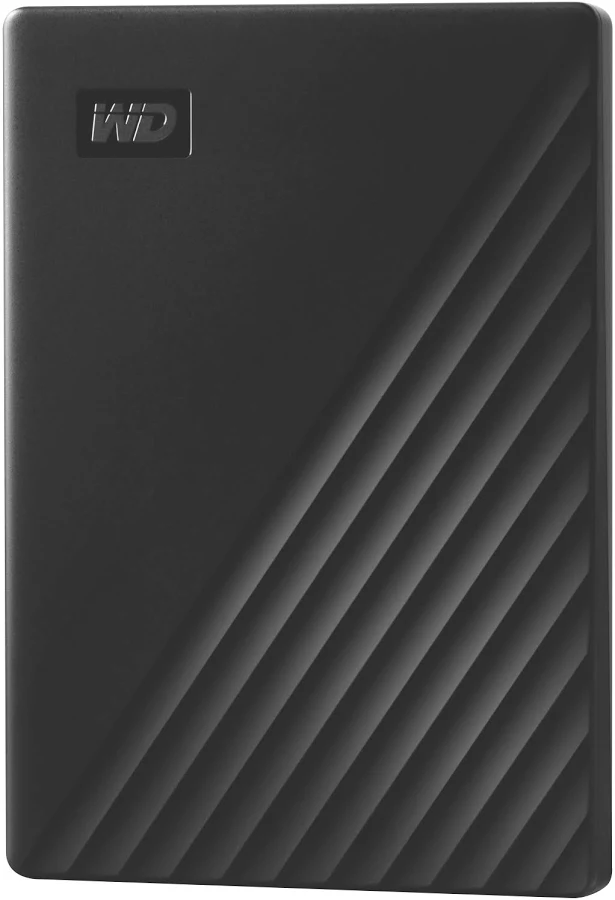
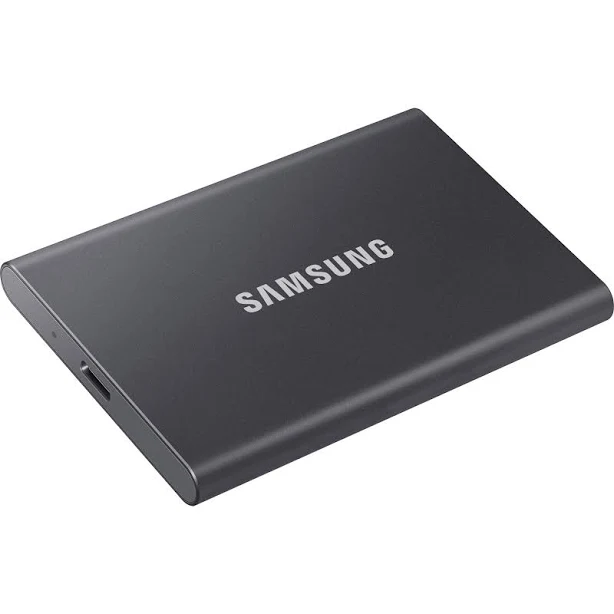
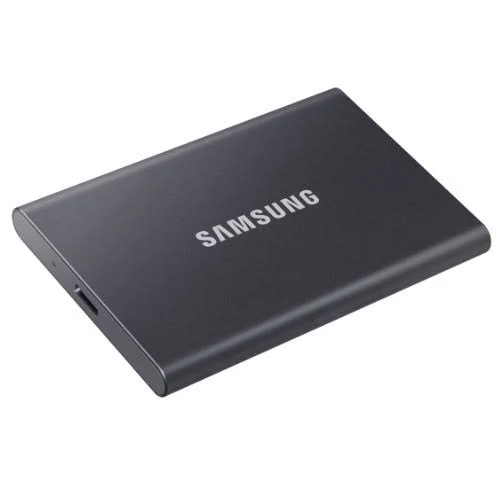
Samsung 2TB T7 Portable SSD (Titan Gray)
4.8(13K)
From
$468.00
Across 15 retailers

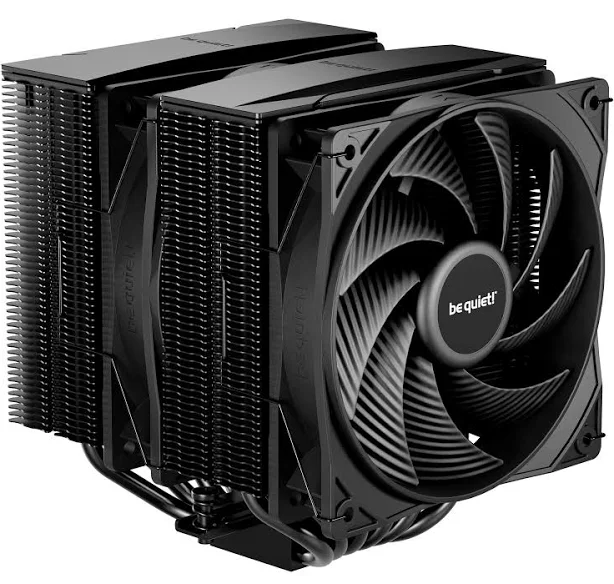
Be Quiet! Pure Rock Pro 3 CPU Cooler
4.6(36)
From
$53.99
Across 14 retailers
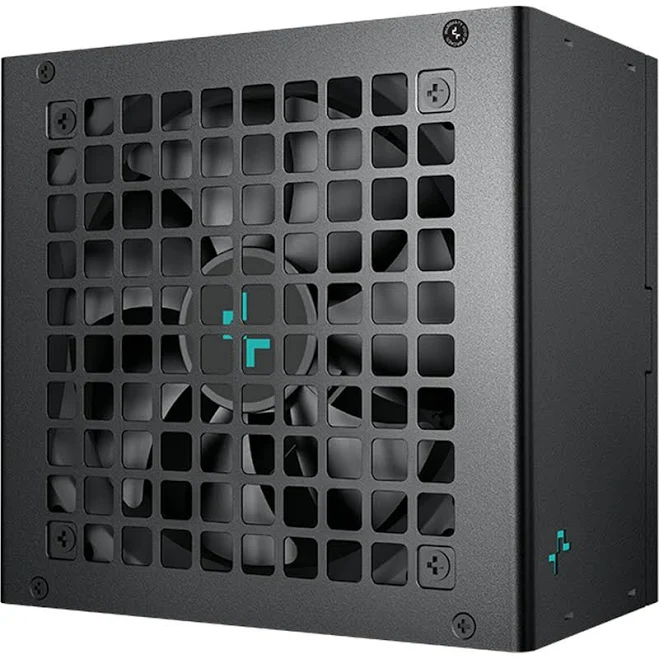
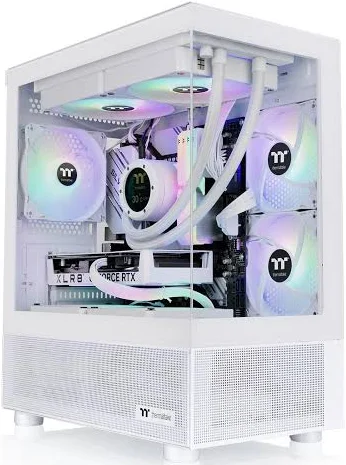
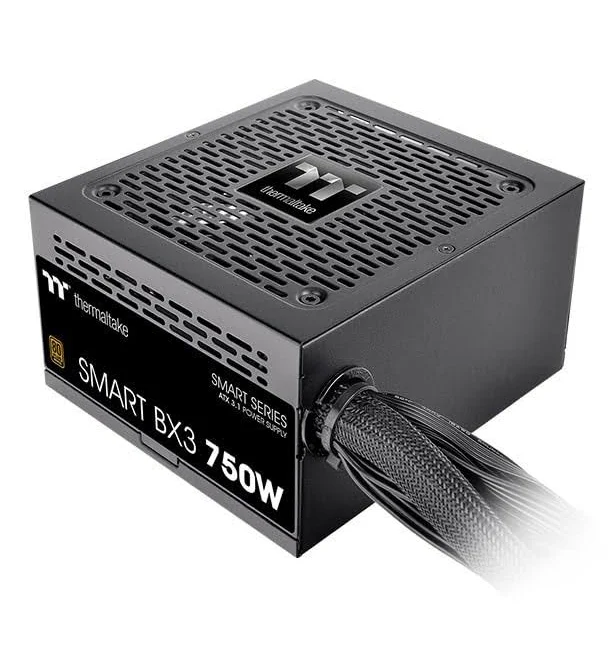
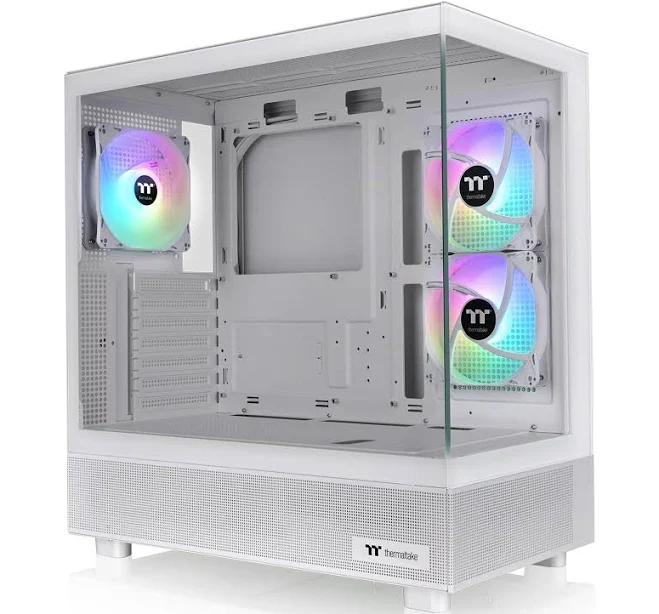
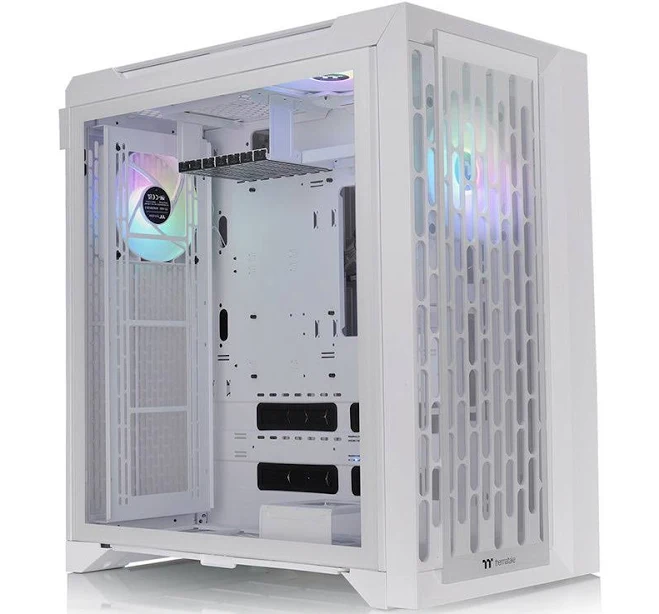
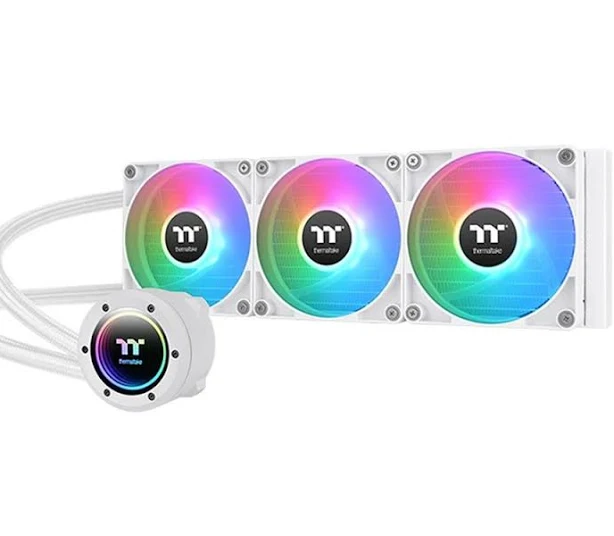
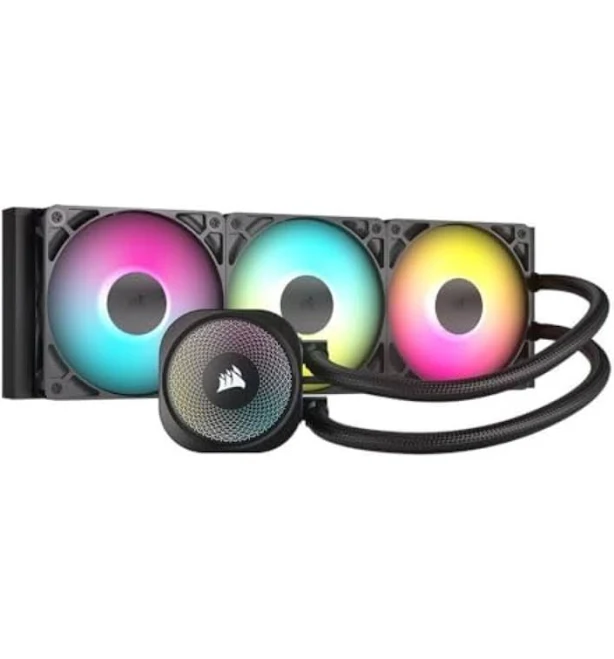
CORSAIR Nautilus 360 RS ARGB Liquid CPU Cooler – 360mm AIO – Low-Noise – Direct Motherboard Connection – Daisy-Chain – Intel LGA 1851/1700, AMD AM5/AM4 – 3X RS120 ARGB Fans Included – Black
4.7(318)
From
$145.00
Across 14 retailers
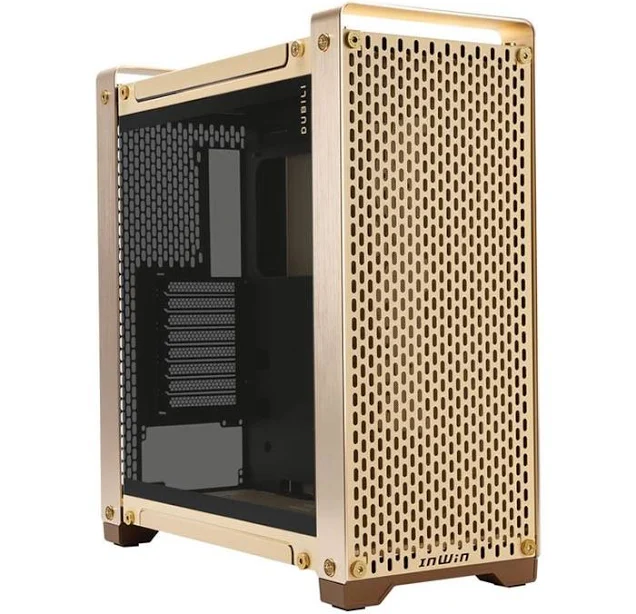
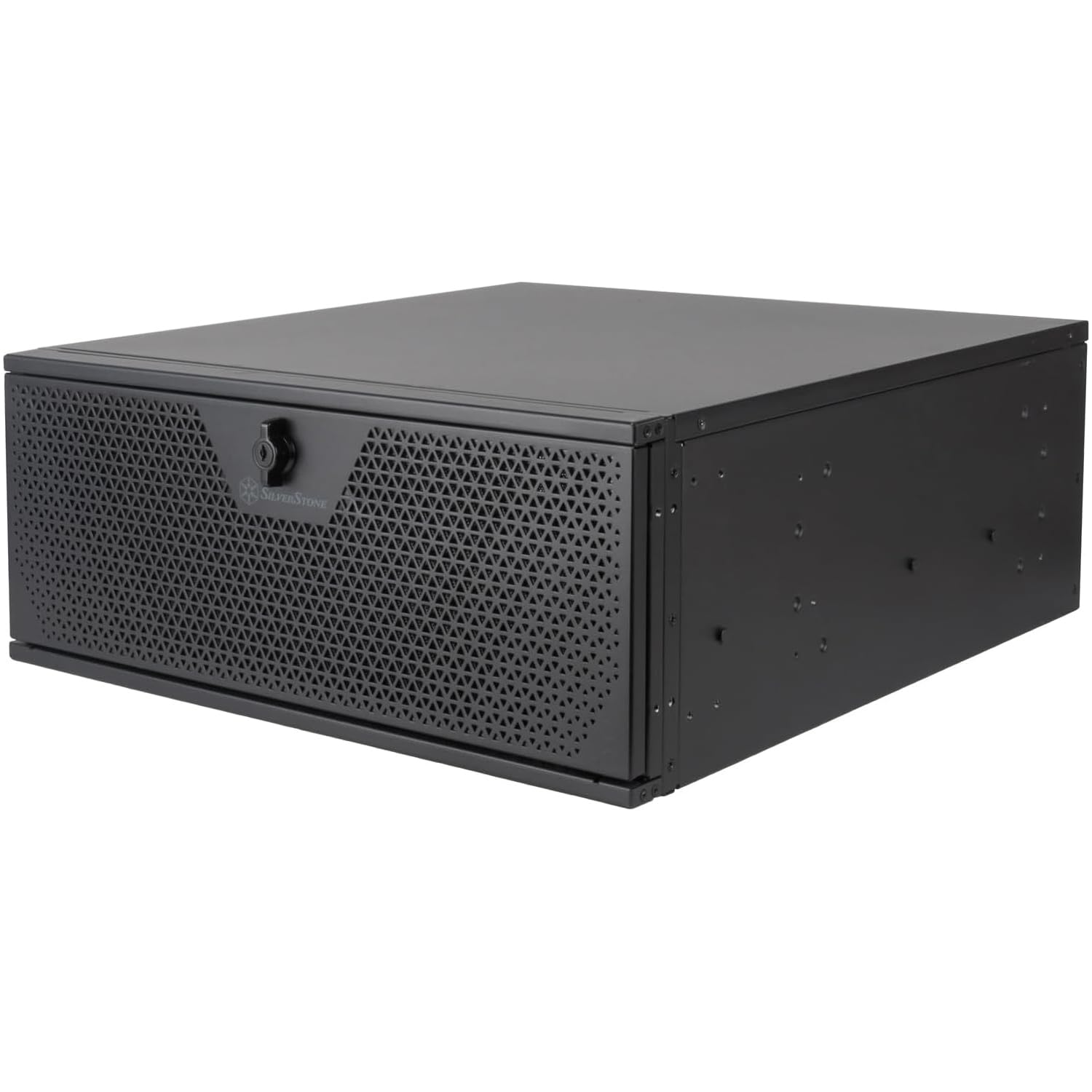
Silverstone RM44 4U Rackmount Server Chasis (SST-RM44)
4.7(7)
From
$359.00
Across 14 retailers
Australian Market Context
According to the IBISWorld report on Computer and Software Retailing in Australia, the industry generates approximately $7.2 billion in annual revenue, reflecting a sustained demand for hardware upgrades and custom PC builds. The market is highly sensitive to the release cycles of major global manufacturers like NVIDIA, AMD, and Intel, which dictate local inventory turnover. Australian retail patterns show distinct cyclical spikes, particularly during the end-of-financial-year (EOFY) period in June, when businesses and consumers alike look to capitalise on tax-deductible hardware purchases. Furthermore, the market experiences significant volume surges during the fourth quarter, driven by Black Friday and the lead-up to the Christmas shopping season. Retailers often adjust their inventory strategies to align with these periods, frequently clearing older generation components to make room for new releases. Economic factors, including the strength of the Australian dollar, also play a critical role in pricing, as the majority of computer components are imported. When the AUD weakens against the USD, local retail prices for high-end components typically rise, prompting consumers to delay purchases or seek out refurbished alternatives to maintain their budget targets.
Where to Buy Computer Components — Price Comparison
| Retailer | Products tracked | Price range |
|---|---|---|
| Umart | 339 | $4.00 – $6299.00 |
| Woolworths | 314 | $5.60 – $7059.40 |
| eBay | 304 | $7.00 – $15480.45 |
| JB Hi-Fi | 299 | $8.00 – $7059.00 |
| MSY | 297 | $4.00 – $6299.00 |
| BIG W | 274 | $5.60 – $7059.40 |
| Mwave Australia | 271 | $5.00 – $6999.00 |
| Scorptec | 225 | $5.00 – $6299.00 |
Buying Computer Components in Australia: What to Know
When purchasing computer components in Australia, timing is a critical factor for securing the best value. Major sales events such as EOFY in June, Click Frenzy in May and November, Black Friday in late November, and Boxing Day in December are the most opportune times to find significant discounts. Before purchasing, ensure your components are compatible with the Australian electrical standard of 230V/50Hz; while most modern power supply units are universal, it is essential to verify this on the label. When selecting parts, prioritise the CPU and GPU balance to avoid performance bottlenecks, and ensure your motherboard socket matches your processor generation. A common pitfall is neglecting thermal management; Australia’s warmer climate means that high-performance builds require robust cooling solutions, such as high-airflow cases or liquid cooling, to prevent thermal throttling. Always check the warranty terms provided by Australian retailers, as local consumer law provides protections that may differ from international manufacturer warranties. Verify that your power supply unit provides sufficient wattage for your total system draw, including a buffer for future upgrades, and always confirm that your RAM speed is supported by your chosen motherboard chipset to ensure system stability.
Common Questions
Are computer components cheaper in Australia during specific times of the year?
Yes, computer components in Australia are generally cheaper during major retail events. The most significant price drops typically occur during the End of Financial Year (EOFY) sales in June, as retailers clear stock for tax purposes. Additionally, global events like Black Friday in November and local sales like Click Frenzy offer competitive pricing. It is advisable to track the price history of specific components for several weeks prior to these events to ensure that advertised discounts are genuine and represent a true reduction from the standard retail price.
Do I need a specific power supply for Australian electrical outlets?
Most modern computer power supply units (PSUs) are designed to be 'auto-switching' or 'universal,' meaning they can operate on voltages ranging from 100V to 240V. Since Australia uses 230V/50Hz, almost any reputable PSU purchased from an Australian retailer will be compatible. However, you should always check the specifications on the PSU label to ensure it supports 230V input. You will also need a standard Australian three-pin plug, which is almost always included with components sold by local retailers, ensuring safe and direct connection to your wall outlet.
How do I ensure my computer components are compatible with each other?
Compatibility is primarily determined by the motherboard socket and chipset. You must ensure your CPU matches the motherboard's socket type (e.g., LGA 1700 or AM5). Additionally, check that your RAM type (DDR4 vs. DDR5) is supported by the motherboard. Other factors include the physical size of the GPU fitting within your case and the power supply providing enough wattage for all components. Using online PC building tools or checking the motherboard manufacturer’s 'Qualified Vendor List' (QVL) for RAM and CPU support is the most reliable way to prevent hardware conflicts.
What is the benefit of buying computer components from Australian retailers?
Buying from Australian retailers provides the benefit of Australian Consumer Law (ACL) protections, which offer robust rights regarding faulty products, repairs, and replacements. Local retailers also provide faster shipping times and easier returns processes compared to international sellers. Furthermore, components purchased locally come with power cables and plugs compliant with Australian standards. While international sites may occasionally offer lower headline prices, the added costs of international shipping, potential import duties, and the difficulty of enforcing warranty claims often make local purchase the more secure and cost-effective choice.
Should I be concerned about heat when building a PC in Australia?
Yes, Australia's warmer climate can impact PC performance, especially during summer months. High-performance components generate significant heat, and if your case lacks adequate airflow, your system may experience thermal throttling, where the CPU or GPU slows down to prevent damage. It is recommended to invest in a case with high-airflow mesh panels and high-quality cooling fans. If you are building a high-end system, consider an AIO (All-in-One) liquid cooler or a high-performance air cooler to ensure your components remain within safe operating temperatures even on hot Australian days.
Related Categories
Compare Computer Components prices by brand
- Thermaltake Computer Components103 recently priced products
- CORSAIR Computer Components86 recently priced products
- GIGABYTE Computer Components74 recently priced products
- ASUS Computer Components64 recently priced products
- MSI Computer Components64 recently priced products
- Seagate Computer Components25 recently priced products
- Deepcool Computer Components18 recently priced products
- Patriot Computer Components17 recently priced products