
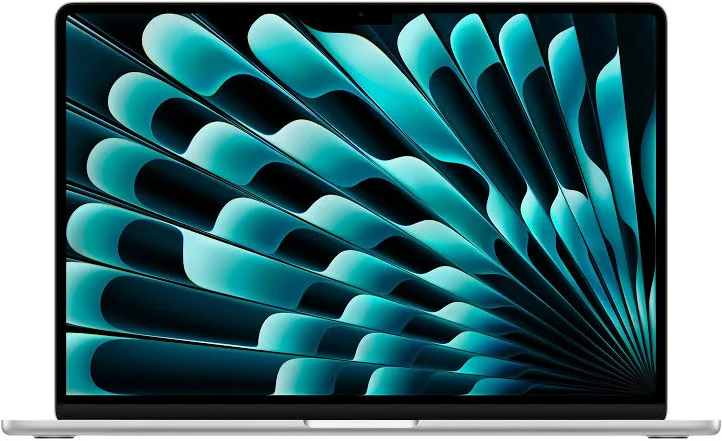
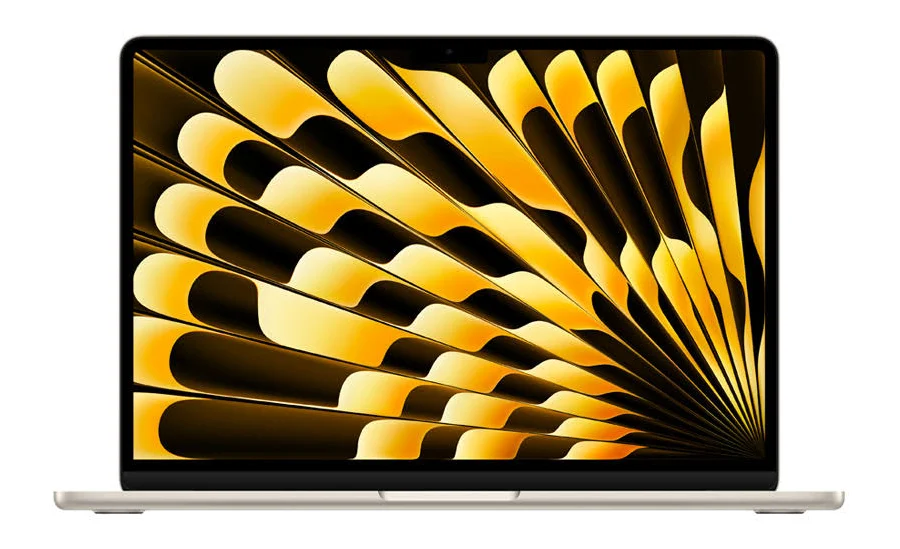
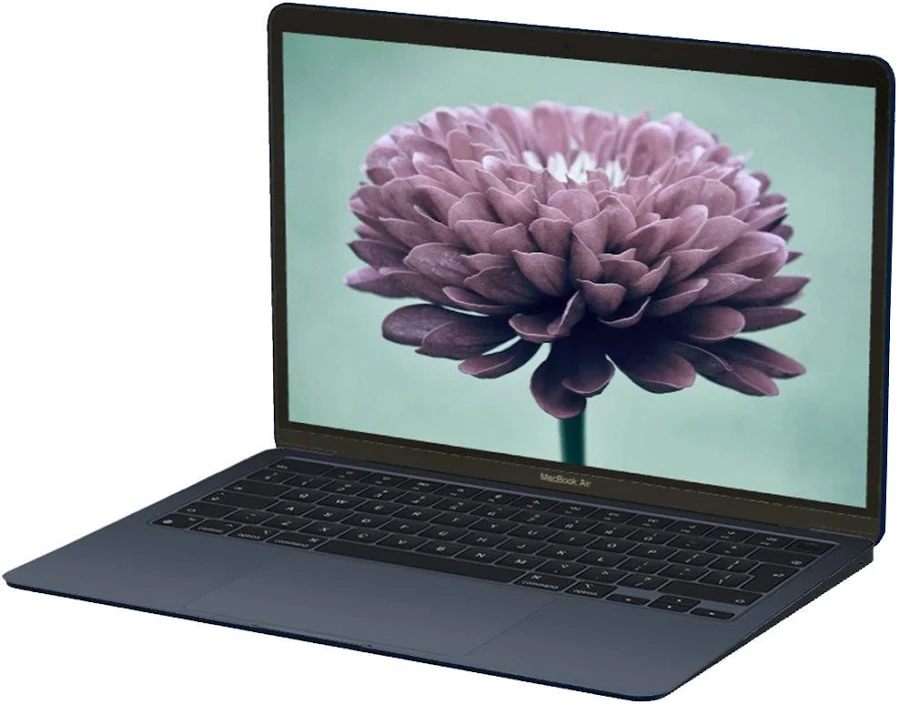
Apple MacBook Air 15-inch with M5 chip
4.9(888)
From
$2029.00
Across 15 retailers

1676 products in the catalogue · 1563 with prices across 8 retailers from $65 to $11203.
From
$2029.00
Across 15 retailers
From
$250.42
Across 14 retailers
From
$5829.00
Across 14 retailers
From
$1639.00
Across 13 retailers
From
$898.70
Across 12 retailers
From
$1249.00
Across 12 retailers
From
$250.00
Across 11 retailers
From
$328.00
Across 11 retailers

From
$542.24
Across 11 retailers
According to the IBISWorld report on Computer and Software Retailing in Australia, the industry generates approximately $7.5 billion in annual revenue, with laptops remaining the primary driver of consumer electronics spending. The Australian market is highly sensitive to the release cycles of global manufacturers like Apple, Dell, and HP, which often dictate local inventory turnover. Seasonal patterns are a defining characteristic of the Australian retail landscape. Significant spikes in laptop sales occur during the End of Financial Year (EOFY) period in June, as businesses seek to claim tax deductions on hardware upgrades before the fiscal year concludes. Additionally, the lead-up to the back-to-school season in January creates a secondary peak in demand. Retailers often adjust their pricing strategies to align with these cyclical trends, frequently clearing older stock in May to make room for new models. Understanding these fluctuations is essential for Australian buyers, as the timing of a purchase can result in price variations of 15% to 25% for identical hardware configurations. The market remains competitive, with retailers frequently utilizing aggressive discounting to capture market share during these high-traffic windows.
| Retailer | Products tracked | Price range |
|---|---|---|
| eBay | 1198 | $65.00 – $8839.00 |
| JB Hi-Fi | 283 | $329.00 – $10899.00 |
| BIG W | 86 | $363.23 – $11203.40 |
| Dick Smith AU | 73 | $259.00 – $6999.00 |
| Kogan.com | 68 | $372.43 – $8999.00 |
| Woolworths | 67 | $499.00 – $11203.40 |
| JW Computers | 63 | $632.58 – $10899.00 |
| Domayne | 62 | $328.00 – $6299.00 |
When purchasing a laptop in Australia, timing is critical to securing the lowest price. Major savings are consistently found during EOFY sales in June, Click Frenzy events in May and November, Black Friday in late November, and the traditional Boxing Day sales in December. Beyond timing, technical specifications are paramount. For general use, look for at least 8GB of RAM and a 256GB SSD. If you are involved in video editing or gaming, 16GB of RAM and a dedicated graphics card are recommended. Ensure your chosen model complies with Australian power standards, specifically the 230V/50Hz AC supply; while most modern power bricks are universal, always check the plug type. A common pitfall for Australian users is ignoring thermal management. Due to Australia’s warmer climate, laptops with robust cooling systems are preferable, especially if you work in non-air-conditioned environments. Avoid purchasing grey-market imports from overseas sellers, as these may lack local warranty support, come with non-compliant power adapters, or have keyboards that do not follow the standard Australian layout. Always verify that the device includes a local manufacturer warranty, which provides essential consumer protection under Australian Consumer Law.
The best times to buy a laptop in Australia are during major retail events where discounting is most aggressive. The End of Financial Year (EOFY) in June is ideal for business-grade machines, while Black Friday in November and Boxing Day in December offer the widest range of consumer discounts. Additionally, the Click Frenzy events in May and November often feature online-exclusive deals. Tracking price history is recommended, as some retailers inflate prices before these events to make discounts appear larger than they actually are.
All laptops sold by authorised Australian retailers are designed to operate on the standard Australian power grid of 230V/50Hz. If you purchase a laptop from an international website, you must ensure the power adapter supports this voltage range. Most modern laptop chargers are 'multi-voltage' (100-240V), but you may still require a plug adapter if the device comes with a non-Australian power cord. Using non-compliant chargers can void your warranty and poses a significant electrical safety risk.
Buying from an Australian retailer ensures your purchase is covered by Australian Consumer Law, which provides statutory guarantees regarding product quality and durability. You also benefit from local warranty support, meaning repairs or replacements are handled within the country. Overseas purchases may be cheaper upfront, but they often exclude local warranty coverage, require international shipping for repairs, and may come with power adapters that are not compliant with local safety standards.
For basic tasks like web browsing, word processing, and streaming, 8GB of RAM is the current minimum requirement. However, if you plan to multitask, run professional creative software, or engage in gaming, 16GB of RAM is highly recommended to ensure the system remains responsive over the next few years. Since many modern, thin-and-light laptops have soldered RAM that cannot be upgraded later, it is often a better long-term investment to purchase a model with 16GB upfront.
While laptops are generally portable, Australia's warmer climate makes thermal management a key consideration. Laptops with efficient cooling systems, such as those with dual fans or high-quality heat pipes, will perform better and last longer in ambient temperatures exceeding 30 degrees Celsius. If you frequently work outdoors, prioritize a laptop with a matte, anti-glare screen and high brightness levels (at least 400 nits) to maintain visibility under harsh Australian sunlight, which can make glossy screens difficult to read.