

- Category
- Networking
- Country
- Australia
- Catalogue products
- 449
- Products with prices
- 352
- Retailer count
- 8
- Min price (AUD)
- $9.00
- Max price (AUD)
- $4999.00
Networking in Australia
449 products in the catalogue · 352 with prices across 8 retailers from $9 to $4999.
Networking equipment in Australia typically ranges from $40 for basic entry-level routers to over $1,200 for high-performance mesh systems and enterprise-grade switches. You can find these products stocked at major Australian retailers including JB Hi-Fi, Officeworks, and Umart. Whether you are upgrading your home office connectivity or setting up a complex smart home network, navigating the vast array of modems, routers, Wi-Fi extenders, and network switches can be overwhelming. Prices fluctuate frequently due to supply chain changes and local promotional cycles, making it difficult to identify the true market value. WhatsCheap simplifies your shopping experience by providing real-time price comparisons and comprehensive price history charts for every item. By monitoring these trends, you can avoid overpaying and ensure you are purchasing your networking hardware at the most opportune moment. We empower Australian consumers to make informed decisions by aggregating live data, helping you secure the right technology for your home or business infrastructure without the guesswork.Read networking buying guideHide networking buying guide
Top Networking Products
View All
TP-LINK AXE5400 Tri-Band Mesh Wi-Fi 6E System (2-pack)
4.6(1K)
From
$239.00
Across 19 retailers


TP-LINK AX1800 Dual-Band Wi-Fi 6 VDSL/ADSL Modem Router
4.5(41)
From
$93.99
Across 18 retailers

NETGEAR SOHO 5-port Gigabit Unmanaged Switch
4.8(504)
From
$34.00
Across 15 retailers

Hot-29%
TP-LINK BE9300 Tri-Band Wi-Fi 7 Router
4.6(999)
From
$401.90
Across 15 retailers

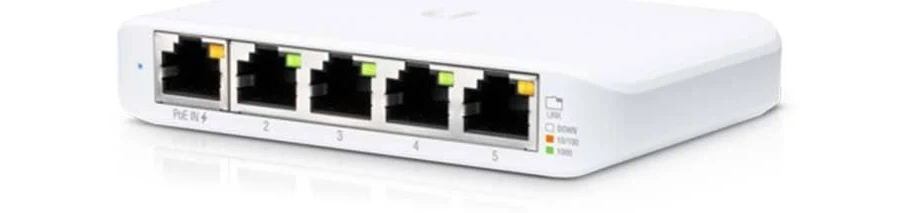
UniFi Switch Flex Mini
4.8(1K)
From
$15.00
Across 14 retailers

D-Link DGS-1005A 5-Port Gigabit Desktop Switch
4.7(286)
From
$25.00
Across 14 retailers

NETGEAR EX3110 AC750 Dual Band Wi-Fi Range Extender
4.1(4K)
From
$33.89
Across 14 retailers

D-Link DAP-1610 AC1200 Mesh Wi-Fi Range Extender
3.6(598)
From
$34.00
Across 14 retailers

TP-Link AC750 Wi-Fi Range Extender
4.5(3K)
From
$49.00
Across 14 retailers


D-Link AC1900 MU-MIMO Dual Band Wi-Fi USB Adapter
4.5(73)
From
$118.14
Across 14 retailers

NETGEAR AX1600 4-Stream Wi-Fi 6 Mesh Extender EAX12
4.4(1K)
From
$120.00
Across 14 retailers
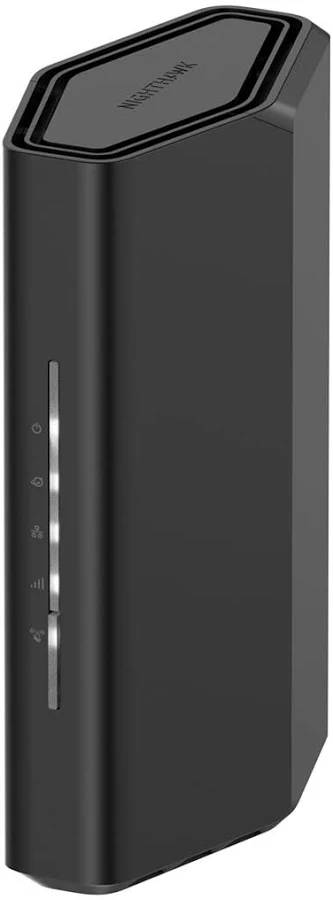
NETGEAR Nighthawk® Wi-Fi 7 BE3600 Dual-Band WiFi 7 Router
4.6(1K)
From
$189.00
Across 14 retailers

TP-Link BE6500 Dual-Band Wi-Fi 7 Router
4.8(367)
From
$273.96
Across 14 retailers


Sansai Smart Wifi Plug
5.0(1)
From
$14.00
Across 13 retailers


Australian Market Context
The Australian networking hardware market has seen consistent growth, driven by the ongoing rollout of the National Broadband Network (NBN) and the increasing demand for high-speed connectivity in residential settings. According to an IBISWorld report on computer and software retailing in Australia, the sector generates billions in annual revenue, with networking peripherals representing a significant sub-segment of consumer electronics. Market volume is heavily influenced by the transition to Wi-Fi 6 and 6E standards, which have become the benchmark for modern Australian households. Seasonal patterns are highly pronounced in this category; retailers typically see a surge in networking hardware sales during the transition to remote work arrangements and the start of the academic year in February. Additionally, the market experiences significant cyclical spikes during major retail events where consumers look to replace aging ISP-supplied modems with more robust third-party hardware. As Australians continue to integrate more IoT devices into their homes, the demand for stable, high-bandwidth networking solutions remains a primary driver for both online and brick-and-mortar retail performance across the country.
Where to Buy Networking — Price Comparison
| Retailer | Products tracked | Price range |
|---|---|---|
| eBay | 202 | $9.00 – $4999.00 |
| Woolworths | 179 | $15.00 – $4102.86 |
| BIG W | 153 | $15.00 – $4102.86 |
| Centre Com | 114 | $13.00 – $2999.00 |
| Umart | 108 | $12.00 – $2199.00 |
| Scorptec | 105 | $14.00 – $3999.00 |
| JB Hi-Fi | 103 | $10.00 – $3099.00 |
| Mwave Australia | 92 | $11.95 – $2910.95 |
Buying Networking in Australia: What to Know
When purchasing networking equipment in Australia, timing your buy around major retail events is essential for securing the best value. Look for significant discounts during the End of Financial Year (EOFY) sales in June, Click Frenzy events in May and November, Black Friday in late November, and the traditional Boxing Day sales in December. When selecting hardware, prioritize specs like Wi-Fi standard (Wi-Fi 6 or 6E), total throughput capacity, and the number of Ethernet ports. Ensure all power adapters comply with Australian Standards (AS/NZS 3112) for 230V/50Hz operation to avoid compatibility issues or safety risks. A common pitfall is ignoring the physical environment; for example, if you are installing outdoor access points, ensure they have an appropriate IP rating to withstand Australia’s harsh UV exposure and varying humidity levels. Always check if a router is compatible with your specific NBN connection type—such as FTTP, FTTN, or HFC—as some modems are restricted to specific technologies. Avoid purchasing grey-market imports that may lack local warranty support or proper Australian regulatory certification, as these can lead to connectivity issues or voided consumer rights under Australian Consumer Law.
Common Questions
Do I need a separate modem and router in Australia?
For most NBN connections, you will need a router to distribute Wi-Fi throughout your home. If your NBN service is FTTN or FTTB, you specifically require a VDSL2-compatible modem-router. For FTTP or HFC, the NBN connection box acts as the modem, so you only need a standard router. Many Australians choose to use the ISP-supplied unit, but purchasing a third-party router often provides better range, faster speeds, and more advanced security features, which is highly recommended for larger households or heavy internet users.
What is the best Wi-Fi standard for Australian homes?
Wi-Fi 6 (802.11ax) is currently the standard recommended for most Australian homes. It offers significantly improved efficiency in environments with many connected devices, such as smart TVs, phones, and laptops. If you have a very large home or a high-speed NBN plan, Wi-Fi 6E is an even better choice as it opens up the 6GHz band, reducing interference from neighbors. Avoid older Wi-Fi 5 (802.11ac) equipment unless you are on a strict budget, as it lacks the capacity to handle modern traffic demands effectively.
Are overseas networking products safe to use in Australia?
You should exercise caution when buying networking gear from international websites. Products must comply with Australian electrical safety standards (AS/NZS 3112) and radio frequency regulations set by the ACMA. Overseas models may use different power plugs, lack local warranty support, or operate on wireless channels that are restricted or illegal in Australia. To ensure your network remains stable and compliant with local laws, it is always safer to purchase models specifically intended for the Australian market from authorized local retailers.
How can I improve my Wi-Fi coverage in a large Australian house?
For larger homes, a mesh Wi-Fi system is the most effective solution. Unlike traditional range extenders that often halve your bandwidth, mesh systems use multiple nodes that communicate with each other to create a single, seamless network. Placing nodes strategically throughout your home can eliminate dead zones. Before buying, consider the layout of your house; brick or concrete walls common in older Australian homes can significantly block Wi-Fi signals, so you may need more nodes than you would in a modern timber-frame home.
Does my router affect my NBN speed?
Yes, your router can be a bottleneck for your NBN speed. If you are on a high-speed plan, such as NBN 250 or 1000, an older router with limited processing power or only 100Mbps Ethernet ports will prevent you from reaching your full potential. Ensure your router has Gigabit WAN and LAN ports and a processor capable of handling high-speed traffic. If you are experiencing slow speeds, test your connection by plugging a computer directly into the NBN box to see if the issue lies with your ISP or your home networking hardware.
Related Categories
Compare Networking prices by brand
- TP-Link Networking154 recently priced products
- NETGEAR Networking36 recently priced products
- ASUS Networking30 recently priced products
- D-Link Networking19 recently priced products
- Ubiquiti Networks Networking17 recently priced products
- eero Networking10 recently priced products
- Mercusys Networking10 recently priced products
- Tenda Networking10 recently priced products