

- Category
- Food Storage
- Country
- Australia
- Catalogue products
- 27
- Products with prices
- 18
- Retailer count
- 8
- Min price (AUD)
- $5.00
- Max price (AUD)
- $149.00
Food Storage in Australia
27 products in the catalogue · 18 with prices across 8 retailers from $5 to $149.
Food storage solutions in Australia typically range from $5 for basic plastic containers to over $450 for premium vacuum sealing systems or modular glass pantry sets. Major retailers stocking these items include Kmart, Myer, and Kitchen Warehouse, providing a vast selection for households across the country. Whether you are looking for airtight glass jars, freezer-safe silicone bags, or high-capacity vacuum sealers, our platform aggregates current pricing to help you identify the most cost-effective options. By utilising our price comparison engine and reviewing historical price trends, you can avoid overpaying and ensure your kitchen organisation budget is spent efficiently. WhatsCheap provides transparent price history data and real-time retailer comparisons, empowering Australian shoppers to make informed decisions without the guesswork. Our goal is to simplify your search by consolidating market data into one accessible location, helping you secure the right storage solution at the right price point every time you shop.Read food storage buying guideHide food storage buying guide
Top Food Storage Products
View All
Sansai Electric Vacuum Sealer
No reviews yet
From
$50.40
Across 13 retailers

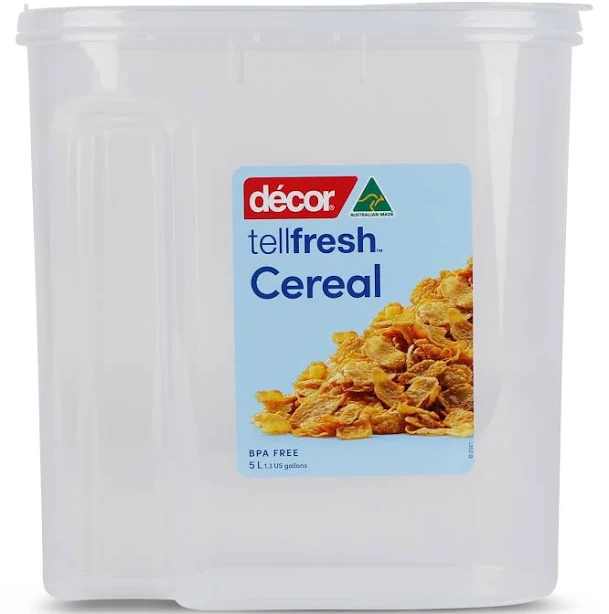
Décor 072071-004 Cereal Container, 5 L, Clear
4.5(38)
From
$5.25
Across 12 retailers


Stasher Stand Up Bag Mega (Clear) - Reusable Silicone Zip Lock Food Storage Bag For Travel And Kitchen Use | 3L Capacity 24.1cmX27.9cmX3.8cm |100% Pure Platinum Food-Grade Silicone | Non-Toxic Bag
4.8(1K)
From
$45.00
Across 12 retailers

Sistema 1L Rectangle 3 Pack Klip It Plus
4.3(65)
From
$7.85
Across 11 retailers


OXO Good Grips Pop 2.0 Big Square Medium Container
4.5(1K)
From
$23.95
Across 9 retailers

Banana Seal Handheld Vacuum Sealer
5.0(1)
From
$5.00
Across 7 retailers


Ninja Creami Pints and Lids 4 Pack NC501
No reviews yet
From
$47.24
Across 3 retailers


Sea to Summit Detour Stainless Steel Collapsible Bowl, Beluga
No reviews yet
Price unavailable
No retailer prices yet

Kilner Kids Jar 6-Pieces Set, 190 ml Capacity, Multicolour (0025.017)
No reviews yet
Price unavailable
No retailer prices yet

Whiskware Disney Princess Frozen, Stackable Snack Containers for Infants, Kids, and Toddlers, Durable Food Storage Containers for Daycare, Car, and Airplane Travel, Dishwasher Safe, Anna and Olaf
No reviews yet
Price unavailable
No retailer prices yet

Whiskware Star Wars Stackable Snack Pack, Leia & Rey
No reviews yet
Price unavailable
No retailer prices yet

Dreambaby Pouch Pal - Baby Food Pouch Holder - No Squeeze and No Mess Container
No reviews yet
Price unavailable
No retailer prices yet
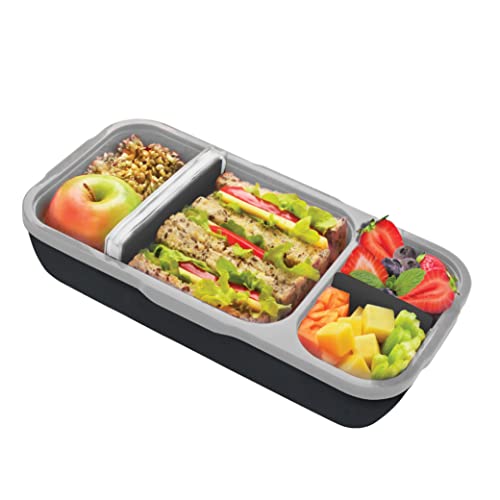
Smash Bento Switch Up Lunch Box, Black
No reviews yet
Price unavailable
No retailer prices yet
Australian Market Context
According to the IBISWorld industry report on kitchenware retailing in Australia, the sector has seen steady growth driven by increased consumer focus on home organisation and food waste reduction. The market size for kitchen storage and related accessories is estimated to be worth over $600 million annually. Australian retail patterns for these goods are heavily influenced by seasonal shifts; demand typically spikes during the post-Christmas period as consumers focus on 'New Year, New Me' organisational goals, and again during the winter months when bulk cooking and meal prepping become more prevalent. Furthermore, the rising cost of living has shifted consumer behaviour, with households increasingly investing in quality, long-lasting storage solutions to extend the shelf life of groceries and reduce food wastage. This trend is supported by retailer data showing a marked increase in sales for vacuum-sealing technology and glass-based modular systems, which offer superior preservation compared to traditional plastic alternatives. Retailers respond to these cyclical demands by aligning promotional calendars with major shopping events, ensuring that inventory turnover remains high throughout the fiscal year while meeting the specific storage needs of the Australian domestic market.
Where to Buy Food Storage — Price Comparison
| Retailer | Products tracked | Price range |
|---|---|---|
| Woolworths | 12 | $5.25 – $149.00 |
| JB Hi-Fi | 9 | $5.00 – $80.95 |
| eBay | 8 | $12.99 – $107.00 |
| Bunnings Warehouse | 6 | $24.95 – $129.00 |
| BIG W | 6 | $7.87 – $119.90 |
| Betta | 5 | $39.00 – $149.00 |
| Dick Smith AU | 5 | $24.95 – $69.00 |
| Harvey Norman | 4 | $16.00 – $49.00 |
Buying Food Storage in Australia: What to Know
When purchasing food storage in Australia, timing your acquisition to coincide with major retail events is key to securing the best value. Look for significant discounts during the End of Financial Year (EOFY) sales in June, Black Friday in November, Click Frenzy events in May and November, and the traditional Boxing Day sales in December. When selecting products, consider the material quality; borosilicate glass is preferred for its temperature resistance and non-porous surface, while BPA-free plastics are lightweight and durable. For electronic storage solutions like vacuum sealers, ensure the unit complies with Australian electrical standards (230V/50Hz) to guarantee safety and performance. A common pitfall is purchasing sets that are not modular, which can lead to inefficient pantry space usage. Additionally, consider the Australian climate; in humid coastal regions, airtight seals are essential to prevent moisture ingress in dry goods like flour and sugar. Always measure your pantry or fridge dimensions before purchasing to avoid buying oversized containers that do not fit your specific shelving configuration. Prioritising stackable designs will maximise your storage capacity, particularly in smaller Australian apartment kitchens where vertical space is at a premium.
Common Questions
What is the best material for food storage in Australia?
Borosilicate glass is widely considered the best material for food storage in Australia due to its durability, resistance to thermal shock, and non-porous nature, which prevents food odours and stains from lingering. Unlike plastic, glass does not leach chemicals into food when heated, making it safer for microwave use. However, high-quality, BPA-free plastic remains a popular, lightweight, and shatterproof alternative for pantry storage or transporting lunches. The choice often depends on your specific needs, such as whether you prioritise weight, visibility, or long-term heat resistance.
Are vacuum sealers worth the investment for Australian households?
Vacuum sealers are highly effective for Australian households looking to reduce food waste and save money on bulk grocery purchases. By removing air, these devices significantly extend the shelf life of meats, vegetables, and dry goods by preventing oxidation and freezer burn. They are particularly useful for those who buy in bulk from wholesale retailers or participate in seasonal produce harvesting. While the initial investment is higher than standard containers, the long-term savings on discarded food often offset the cost, provided the unit meets Australian voltage standards.
How can I prevent pantry moths in my Australian home?
Preventing pantry moths in Australia requires strict storage protocols, especially during warmer months when these pests are most active. The most effective method is to transfer all dry goods, such as flour, grains, and cereals, into airtight glass or hard plastic containers with silicone seals. This creates a physical barrier that prevents larvae from entering or spreading. Regularly cleaning pantry shelves with a vinegar solution and inspecting new grocery items before storing them can also help identify and eliminate potential infestations before they become a significant household problem.
Are plastic food containers safe to use in the microwave?
Not all plastic containers are safe for microwave use. In Australia, you should only use containers explicitly labelled as 'microwave-safe' by the manufacturer. Even then, it is recommended to avoid heating high-fat or high-sugar foods in plastic, as these can reach temperatures exceeding the plastic's melting point, potentially causing warping or chemical leaching. Always check for the microwave-safe symbol on the base of the container. If you are unsure or if the plastic is scratched or aged, it is safer to transfer food to a glass or ceramic dish before heating.
What does 'modular' mean when buying food storage sets?
Modular food storage refers to containers designed to fit together perfectly in terms of height, width, and depth. This system allows you to stack containers securely, maximising the vertical space in your pantry or fridge. Modular sets are highly efficient because they eliminate the 'dead space' often found when using mismatched containers. When shopping, look for systems where the lids are interchangeable or where the base dimensions are multiples of one another, which ensures a clean, organised, and space-saving layout that is highly popular in modern Australian kitchen design.