
Hot-31%
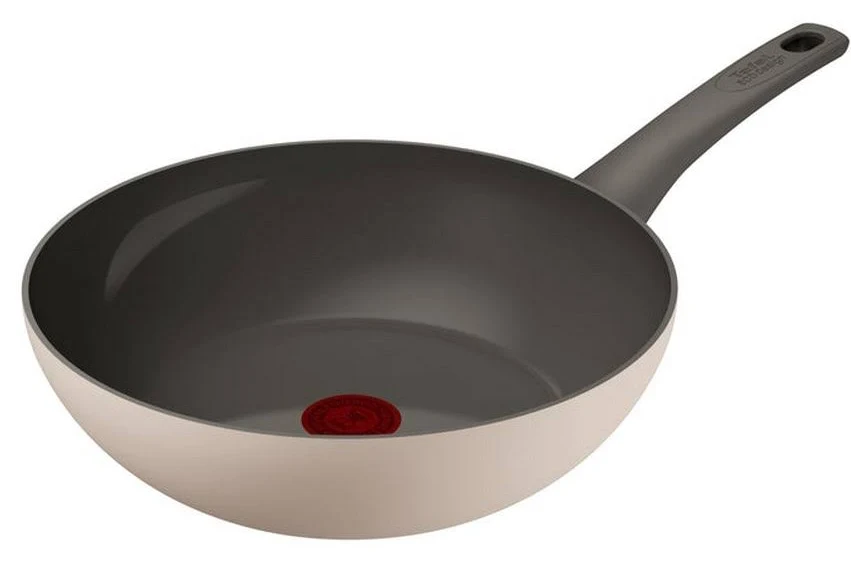
Tefal Revive Ceramic Non-Stick Induction Wok
4.9(17)
From
$89.00
Across 14 retailers

153 products in the catalogue · 121 with prices across 8 retailers from $18 to $717.
From
$89.00
Across 14 retailers

From
$99.00
Across 14 retailers


From
$109.60
Across 13 retailers

From
$449.00
Across 13 retailers


From
$29.00
Across 12 retailers



From
$49.00
Across 12 retailers

From
$64.95
Across 12 retailers

From
$84.00
Across 12 retailers


From
$135.96
Across 12 retailers

From
$349.95
Across 12 retailers

No reviews yet
From
$449.00
Across 12 retailers

From
$449.00
Across 12 retailers

From
$39.90
Across 11 retailers

From
$59.00
Across 11 retailers
From
$84.95
Across 11 retailers
According to the IBISWorld industry report on kitchenware retailing in Australia, the market has seen consistent growth as domestic cooking trends shift toward high-performance home equipment. The industry generates approximately $1.6 billion in annual revenue, driven by a consumer base that increasingly prioritizes durability and material composition. Seasonal patterns are highly pronounced in the Australian market, with significant spikes in expenditure occurring during the mid-year and end-of-year retail windows. Retailers often align their inventory cycles with these periods to clear stock, resulting in a cyclical fluctuation of average unit prices. Furthermore, the rise of induction cooktop adoption in new Australian residential developments has forced a market-wide shift in inventory, with manufacturers prioritizing magnetic-base materials. This transition has influenced supply chain logistics, as retailers adjust their stock to meet the specific technical requirements of modern Australian kitchens. Understanding these market cycles allows consumers to anticipate when retailers are most likely to offer deep discounts on high-end cookware sets, typically coinciding with the clearing of older stock lines to make room for new seasonal arrivals.
| Retailer | Products tracked | Price range |
|---|---|---|
| Amazon AU | 70 | $25.89 – $570.61 |
| eBay | 34 | $27.75 – $716.68 |
| Myer | 21 | $41.97 – $374.50 |
| Harris Scarfe | 18 | $27.96 – $374.99 |
| Woolworths | 16 | $35.00 – $460.50 |
| BIG W | 14 | $31.79 – $460.50 |
| Kitchen Warehouse | 12 | $26.95 – $349.95 |
| Peter's of Kensington - Kensington | 12 | $18.00 – $134.00 |
Purchasing cookware in Australia requires an understanding of both material quality and the timing of major retail events. The most significant savings are found during the EOFY sales in June, the Black Friday and Cyber Monday events in November, Click Frenzy cycles in May and November, and the traditional Boxing Day sales in December. When selecting cookware, prioritize compatibility with your specific cooktop. For induction users, ensure the base contains magnetic iron or steel; a simple magnet test is a reliable way to verify this. For gas or electric cooktops, consider heat distribution properties—copper and aluminium offer superior conductivity, while stainless steel provides durability and non-reactivity. Avoid the common pitfall of purchasing 'all-in-one' sets that include pieces you will never use; it is often more cost-effective to buy individual high-quality pans that suit your specific cooking style. Additionally, check for oven-safe temperature ratings, as many Australian-sold pans are limited to 180°C due to handle materials. Always verify the warranty terms, as some premium brands offer lifetime guarantees that are only valid if purchased through authorized Australian stockists.
For induction cooktops, you must use cookware with a magnetic base. Cast iron, enameled cast iron, and magnetic stainless steel are the most effective options. Many modern Australian cookware sets are labeled as 'induction-ready' or feature a bonded steel plate on the bottom. Aluminum and copper pans will not work unless they have a specifically integrated magnetic steel base. Always check the packaging for the induction symbol—a coil icon—to ensure compatibility with your kitchen's power system.
Most reputable cookware brands sold in Australia have transitioned away from PFOA (perfluorooctanoic acid) in their non-stick coatings. You can verify this by checking the product specifications or the manufacturer's website for 'PFOA-free' labeling. Since 2015, the use of PFOA has been largely phased out globally in consumer non-stick manufacturing. If you are buying older stock or budget-tier items, look for certification labels on the packaging. Modern ceramic-based non-stick coatings are generally a safe, PFOA-free alternative to traditional PTFE coatings.
Buying individual pieces is generally considered more economical and practical for most Australian home cooks. Sets often include specialized items like small milk pans or large stockpots that may go unused, leading to wasted expenditure. By purchasing individual high-quality skillets, sauté pans, and saucepans, you ensure that every item in your kitchen serves a specific purpose. This approach also allows you to mix and match materials, such as choosing a stainless steel stockpot for durability and a non-stick pan for delicate eggs.
Even with careful maintenance, non-stick pans typically have a lifespan of three to five years depending on frequency of use. Signs that it is time to replace your pan include visible scratches in the coating, flaking, or food sticking to the surface despite proper cleaning. To extend the life of your cookware, avoid using metal utensils, which can damage the coating, and refrain from using high heat settings, which can cause the non-stick material to degrade prematurely. Hand-washing is recommended over dishwasher use.
High-quality stainless steel pans are a worthwhile investment for Australian kitchens due to their extreme durability and resistance to warping. Unlike non-stick pans, stainless steel does not degrade over time and can withstand high heat, making it ideal for searing meat and deglazing. While they have a steeper learning curve regarding heat control and food sticking, they are non-reactive and can last for decades with proper care. Look for 'tri-ply' or 'multi-clad' construction, which sandwiches an aluminum core between steel layers for even heat distribution.