
- Category
- Heating & Cooling
- Country
- Australia
- Catalogue products
- 823
- Products with prices
- 737
- Retailer count
- 8
- Min price (AUD)
- $4.00
- Max price (AUD)
- $3999.00
Heating & Cooling in Australia
823 products in the catalogue · 737 with prices across 8 retailers from $4 to $3999.
Heating and cooling appliances in Australia typically range from $150 for basic portable fans and heaters to over $4,500 for high-end split-system air conditioners or ducted climate control units. Major Australian retailers including Harvey Norman, The Good Guys, and JB Hi-Fi stock these essential home appliances across their nationwide networks. Whether you are preparing for the harsh Australian summer or the winter chill, finding the right unit requires balancing energy efficiency with upfront costs. At WhatsCheap, we simplify this process by providing comprehensive price comparison tools and detailed price history charts for every item. By monitoring historical fluctuations, we help you identify genuine discounts, ensuring you never pay more than necessary for your home comfort needs. Our database is updated daily to reflect current stock levels and promotional pricing across the country, giving you the transparency needed to make an informed purchase decision.Read heating & cooling buying guideHide heating & cooling buying guide
Top Heating & Cooling Products
View All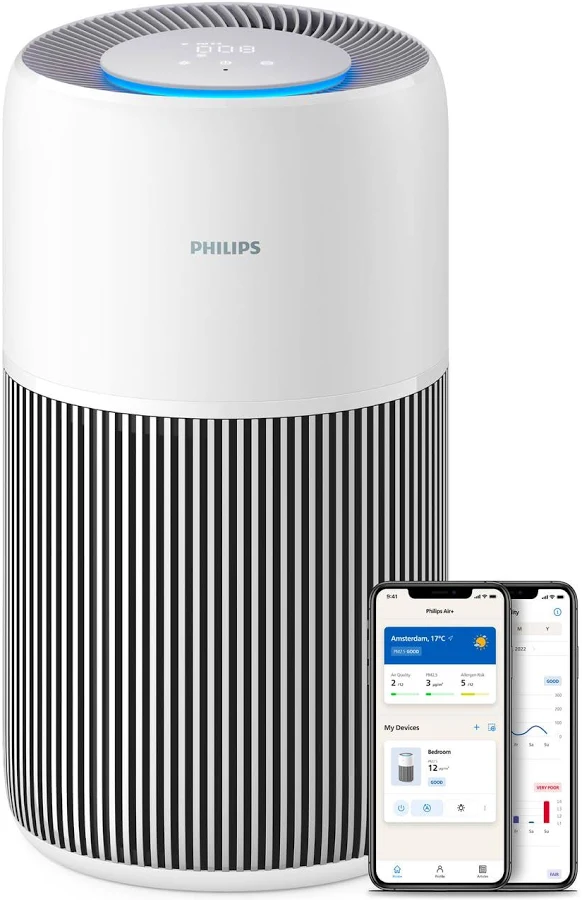
Philips PureProtect 2200 Series Smart Air Purifier
4.6(91)
From
$299.00
Across 15 retailers

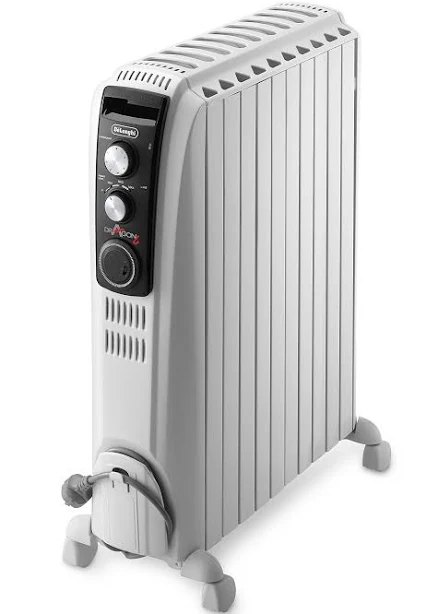
DeLonghi 2400W Dragon 4 Oil Column Heater with Timer
4.5(383)
From
$139.00
Across 14 retailers
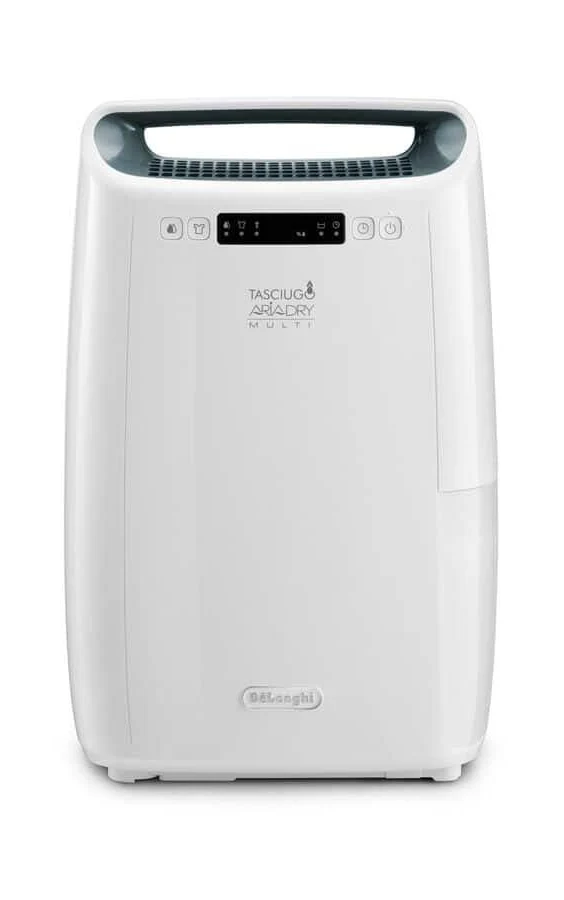
DeLonghi Tasciugo AriaDry Multi 16L Dehumidifier
4.6(29)
From
$449.00
Across 14 retailers
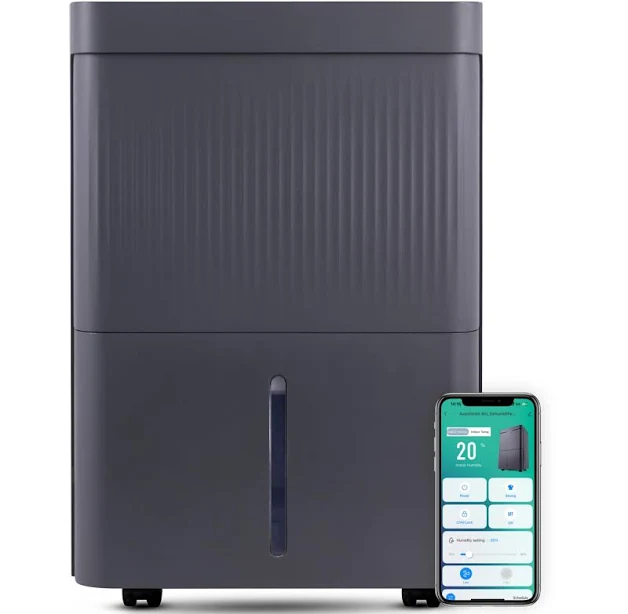
Ausclimate Large+ 45L Dehumidifier
No reviews yet
From
$549.00
Across 14 retailers

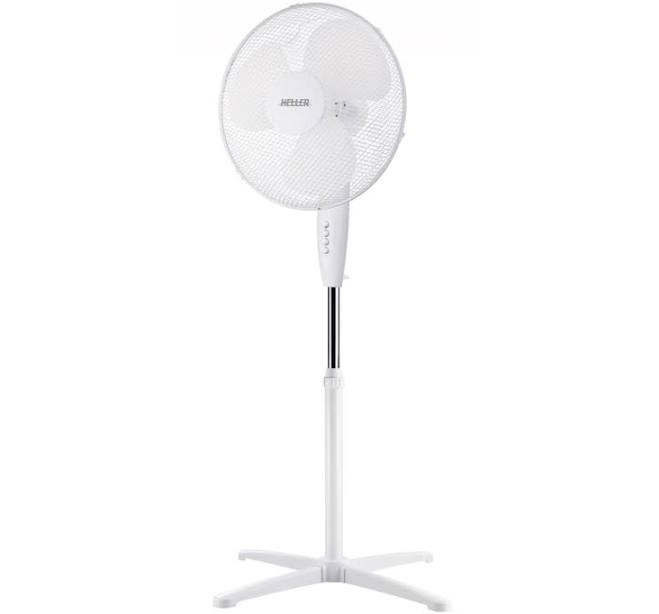
Heller 40cm White Pedestal Fan
4.1(48)
From
$31.95
Across 13 retailers
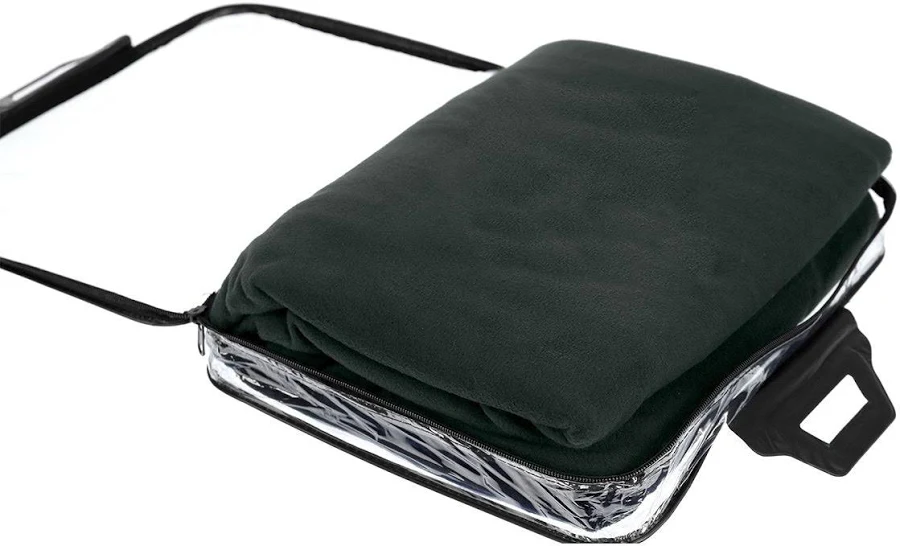
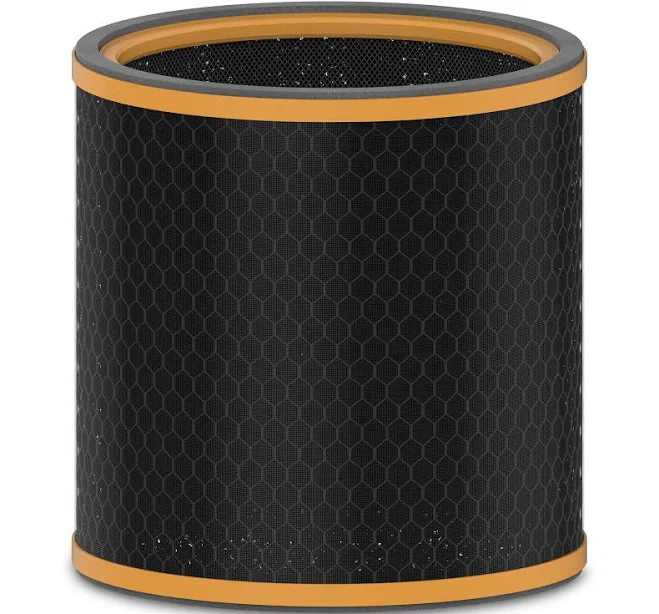
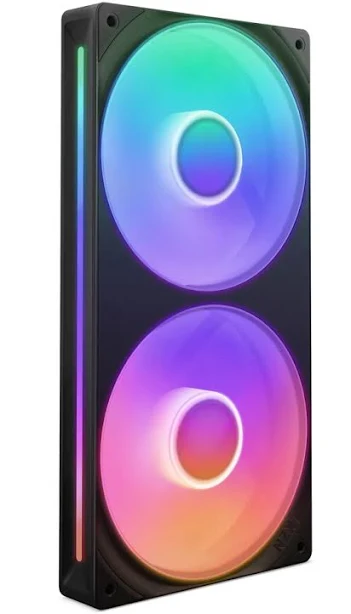
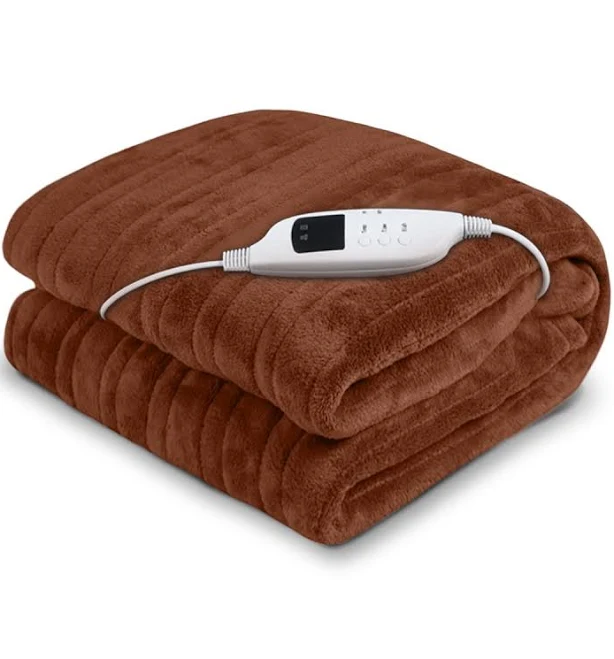
Australian Market Context
According to IBISWorld’s 2024 industry report on household appliance retailing in Australia, the sector generates approximately $12 billion in annual revenue, with climate control systems representing a significant portion of consumer expenditure. The Australian market is heavily influenced by extreme seasonal volatility, with retailers experiencing distinct demand spikes during the peak summer months of December through February and the winter months of June through August. Consumer behavior is increasingly driven by energy efficiency ratings, as rising electricity costs across the National Electricity Market (NEM) force households to prioritize long-term operational savings over lower initial purchase prices. Furthermore, the market has seen a shift toward smart-home integrated appliances that allow for remote temperature management. Retailers typically adjust their inventory levels and promotional strategies in anticipation of these cyclical shifts, often clearing older stock during the transition periods between seasons. Understanding these market dynamics is essential for consumers, as supply chain availability and seasonal demand can significantly impact the final retail price of heating and cooling units throughout the calendar year.
Where to Buy Heating & Cooling — Price Comparison
| Retailer | Products tracked | Price range |
|---|---|---|
| eBay | 351 | $5.04 – $2688.00 |
| Woolworths | 289 | $4.00 – $2949.00 |
| JB Hi-Fi | 286 | $13.05 – $2799.00 |
| BIG W | 260 | $4.00 – $1270.99 |
| Kogan.com | 223 | $12.60 – $1715.00 |
| Dick Smith AU | 175 | $5.04 – $1176.68 |
| The Good Guys | 147 | $21.95 – $3999.00 |
| Harvey Norman | 141 | $24.95 – $2299.00 |
Buying Heating & Cooling in Australia: What to Know
Purchasing heating and cooling appliances in Australia requires an understanding of both physical specifications and optimal timing. All electrical products must comply with Australian Standards, operating at 230V/50Hz; ensure any imported units are certified for local use to avoid safety hazards. When selecting a unit, prioritize the Zoned Energy Rating Label, which provides efficiency data specific to Australia’s varying climate zones, from the tropical north to the temperate south. To secure the best price, align your purchase with major Australian retail events. The End of Financial Year (EOFY) sales in June are ideal for heating units, while Black Friday in November and Boxing Day in December offer significant discounts on cooling systems. Click Frenzy events in May and November also provide opportunities for mid-season savings. A common pitfall is ignoring the 'cooling capacity' (measured in kilowatts) relative to room size; an undersized unit will run continuously, leading to excessive energy bills. Always check the warranty terms provided by the Australian distributor, as these often differ from international policies. Finally, consider installation costs for fixed systems, which are separate from the unit price and require a licensed professional under Australian law.
Common Questions
What is the most energy-efficient heating and cooling system in Australia?
In Australia, reverse-cycle split-system air conditioners are widely considered the most energy-efficient option for both heating and cooling. These systems move heat rather than generating it through electrical resistance, which significantly lowers energy consumption. Look for units with a high star rating on the Zoned Energy Rating Label. While initial installation costs are higher than portable heaters or fans, the long-term operational savings on electricity bills are substantial, especially in regions with extreme temperature fluctuations where the system is used frequently throughout the year.
Do I need a licensed professional to install my air conditioner?
Yes, under Australian law, the installation of split-system air conditioners must be performed by a licensed professional. Specifically, the technician must hold a refrigerant handling license issued by the Australian Refrigeration Council (ARC). Attempting to install a fixed system yourself is not only illegal but can also void your manufacturer's warranty and pose significant safety risks due to the handling of pressurized refrigerants and electrical wiring. Always ensure your installer provides a certificate of compliance upon completion of the work.
What does the Zoned Energy Rating Label mean for Australian consumers?
The Zoned Energy Rating Label provides a more accurate representation of energy efficiency by accounting for Australia's diverse climate zones. Instead of a single national rating, the label displays performance data for three distinct zones: Hot, Average, and Cold. This allows consumers in different parts of Australia to choose a unit that is optimized for their specific local climate. For example, a unit that performs exceptionally well in a cold climate may not be the most efficient choice for a tropical, humid environment.
When is the cheapest time to buy an air conditioner in Australia?
The cheapest time to buy an air conditioner in Australia is typically during the 'shoulder' seasons or major retail sales events. Late winter (August) is often a prime time to find discounts on cooling units as retailers clear space for new summer stock. Additionally, major sales events like Black Friday in November and Boxing Day in December offer competitive pricing. Avoid purchasing during the peak of summer (January), as high demand often leads to limited stock and higher price points across major retailers.
Are portable air conditioners effective for Australian homes?
Portable air conditioners are effective for small, individual rooms or rented properties where permanent installation is not possible. However, they are generally less energy-efficient than fixed split-system units because they often require a window kit for exhaust, which can allow outside air to seep in. They are best suited for temporary cooling needs. When choosing a portable unit, ensure the cooling capacity (measured in kW) is appropriate for the square footage of your room to ensure the unit can effectively maintain a comfortable temperature.
Related Categories
Compare Heating & Cooling prices by brand
- Dreamaker Heating & Cooling78 recently priced products
- Philips Heating & Cooling45 recently priced products
- Breville Heating & Cooling31 recently priced products
- Dyson Heating & Cooling31 recently priced products
- Goldair Heating & Cooling29 recently priced products
- De'Longhi Heating & Cooling28 recently priced products
- Dimplex Heating & Cooling21 recently priced products
- Kambrook Heating & Cooling20 recently priced products