
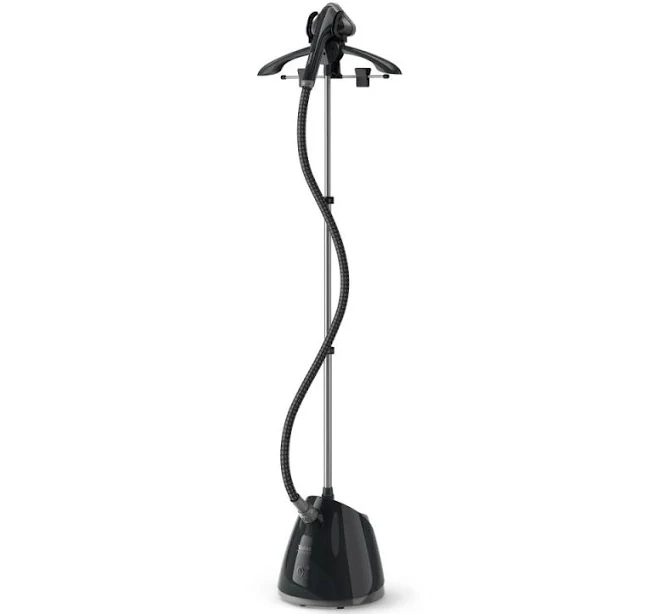
Tefal Pro Style One Garment Steamer
3.4(147)
From
$94.00
Across 16 retailers

372 products in the catalogue · 280 with prices across 8 retailers from $3 to $4399.
From
$94.00
Across 16 retailers
From
$26.00
Across 15 retailers
From
$119.00
Across 15 retailers
From
$17.00
Across 14 retailers

From
$25.95
Across 14 retailers
From
$53.97
Across 14 retailers
From
$68.00
Across 14 retailers
From
$78.00
Across 14 retailers
From
$85.00
Across 14 retailers
From
$98.00
Across 14 retailers
From
$130.00
Across 14 retailers
From
$3.90
Across 13 retailers
From
$14.00
Across 13 retailers

From
$19.77
Across 13 retailers
From
$39.96
Across 13 retailers
From
$47.00
Across 13 retailers
From
$49.00
Across 13 retailers
From
$55.00
Across 13 retailers
From
$88.00
Across 13 retailers
According to the IBISWorld report on Household Appliance Retailing in Australia, the industry generates approximately $6.5 billion in annual revenue, with laundry appliances representing a significant portion of this expenditure. The market is heavily influenced by the replacement cycle of major whitegoods, which typically occurs every seven to ten years. Australian retailers observe distinct seasonal patterns, with demand for heavy-duty washing machines peaking during the cooler winter months when outdoor drying becomes less viable due to higher humidity and rainfall in southern states. Conversely, the market for compact ironing solutions and garment steamers remains stable year-round, driven by professional attire requirements. Retailers often align their inventory cycles with the Australian financial year, leading to aggressive stock clearance periods in June. Furthermore, the shift toward energy-efficient appliances is a dominant market trend, as rising electricity costs across the National Electricity Market (NEM) drive consumers to prioritize high WELS water ratings and high-star energy efficiency labels. This consumer behavior forces retailers to constantly adjust their pricing strategies to remain competitive against both brick-and-mortar stores and the growing influence of online-only marketplaces.
| Retailer | Products tracked | Price range |
|---|---|---|
| eBay | 135 | $5.62 – $1699.00 |
| Woolworths | 96 | $3.10 – $1699.00 |
| The Good Guys | 92 | $7.00 – $999.00 |
| BIG W | 85 | $6.50 – $1699.00 |
| Myer | 65 | $17.50 – $699.00 |
| Bing Lee Electrics | 57 | $6.00 – $4399.00 |
| Harvey Norman | 55 | $6.00 – $899.00 |
| JB Hi-Fi | 54 | $8.00 – $1699.00 |
When purchasing laundry and ironing equipment in Australia, timing is critical to securing the best value. Major shopping events such as the End of Financial Year (EOFY) sales in June, Click Frenzy in May and November, Black Friday in late November, and Boxing Day sales in December offer the most significant discounts. When evaluating appliances, ensure they meet Australian standards, specifically the 230V/50Hz power requirements, and check for the mandatory WELS water efficiency labels. For dryers, consider the climate; heat pump dryers are increasingly popular in Australia due to their energy efficiency and gentler drying process, which is ideal for the varying humidity levels across different states. A common pitfall for buyers is failing to measure the physical dimensions of the laundry space, particularly for front-load washers which require clearance for door swing. Additionally, always verify that the product includes a local manufacturer warranty, as grey-market imports may lack support from authorised Australian service centres. Prioritising appliances with high energy star ratings is a sound long-term investment, given the rising cost of utilities in the Australian residential sector.
Heat pump dryers are currently the most energy-efficient option available in Australia. Unlike traditional vented or condenser dryers that use a heating element to warm the air, heat pump technology recycles hot air through a closed-loop system. This process consumes significantly less electricity, often achieving a 7 to 9-star energy rating. While the initial purchase price is higher than conventional models, the reduction in electricity consumption makes them more cost-effective over the lifespan of the appliance, especially given the rising cost of energy in the Australian market.
In most Australian residential settings, you do not need a licensed plumber to install a standard front or top-load washing machine, provided the existing plumbing connections are in good condition. Most machines come with standard hoses that screw onto existing cold and hot water taps. However, if you are installing a new laundry space or need to modify existing pipework, you must engage a licensed plumber to comply with local building codes and ensure there are no leaks. Always check your manufacturer's warranty, as improper self-installation can sometimes void coverage.
The WELS (Water Efficiency Labelling and Standards) scheme is an Australian government initiative that rates the water efficiency of household appliances. For washing machines, the rating is displayed as a star system, where more stars indicate higher water efficiency. A higher WELS rating means the machine uses less water per cycle, which reduces your utility bills and lessens the environmental impact. When shopping in Australia, look for the WELS label on the appliance to compare water consumption figures, which are measured in litres per kilogram of laundry.
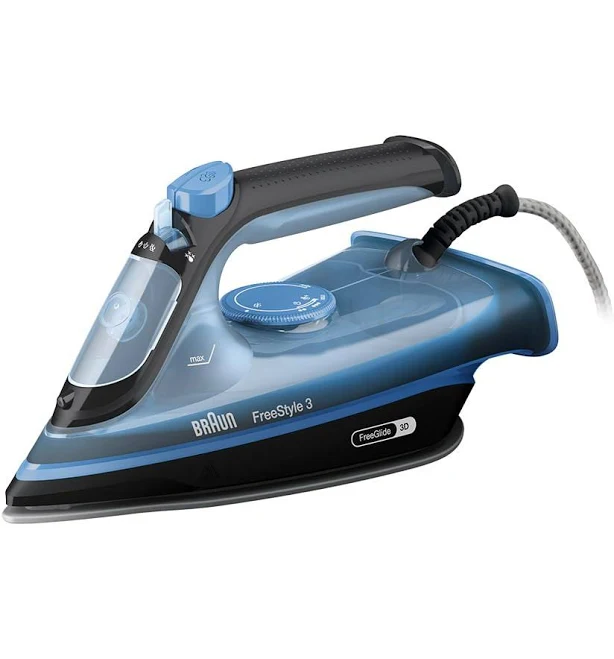
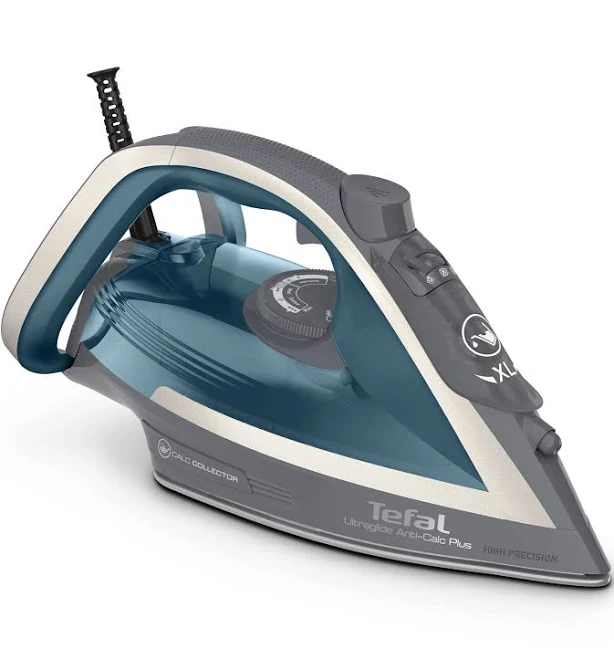
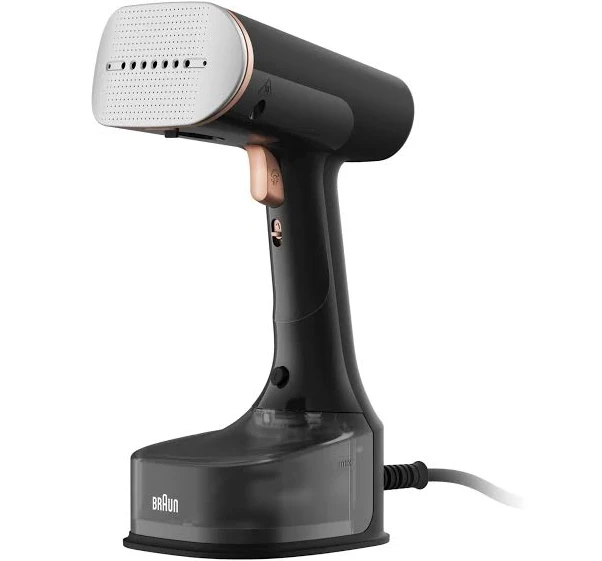
The choice between a steam iron and a garment steamer depends on your specific needs. Steam irons are superior for achieving crisp, sharp creases in cotton shirts and trousers, which is essential for professional attire. Garment steamers are better suited for delicate fabrics, such as silk or synthetics, and are much faster for removing light wrinkles from hanging clothes. In Australia, many households opt for a high-quality steam iron for heavy-duty tasks and a handheld steamer for quick touch-ups before leaving the house.
On average, a well-maintained washing machine in Australia is expected to last between 7 and 10 years. The lifespan depends heavily on the frequency of use, the quality of the water in your region, and whether you perform regular maintenance, such as cleaning the lint filter and running a drum clean cycle. Hard water areas in parts of Australia can lead to mineral build-up, which may shorten the life of heating elements. Using the correct amount of detergent and not overloading the drum are the best ways to extend the appliance's life.