
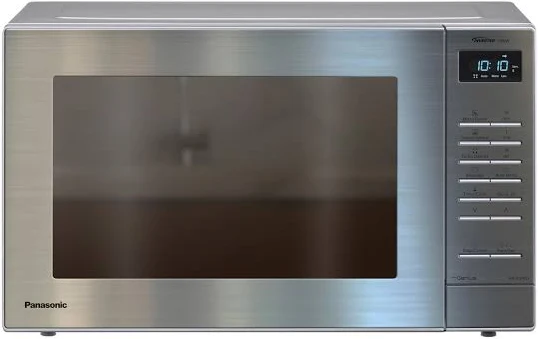
Hot-22%
Panasonic 32L 1100W Microwave Metal
4.8(211)
From
$342.00
Across 17 retailers

1807 products in the catalogue · 1602 with prices across 8 retailers from $4 to $7999.
From
$342.00
Across 17 retailers

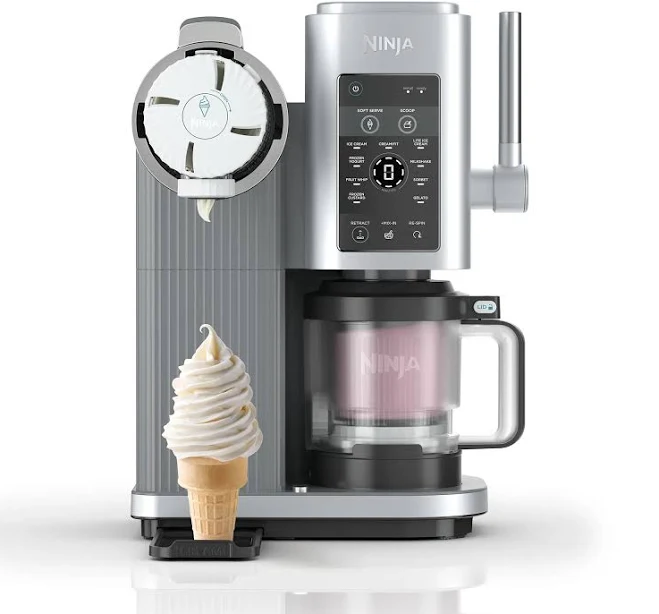
From
$388.00
Across 16 retailers

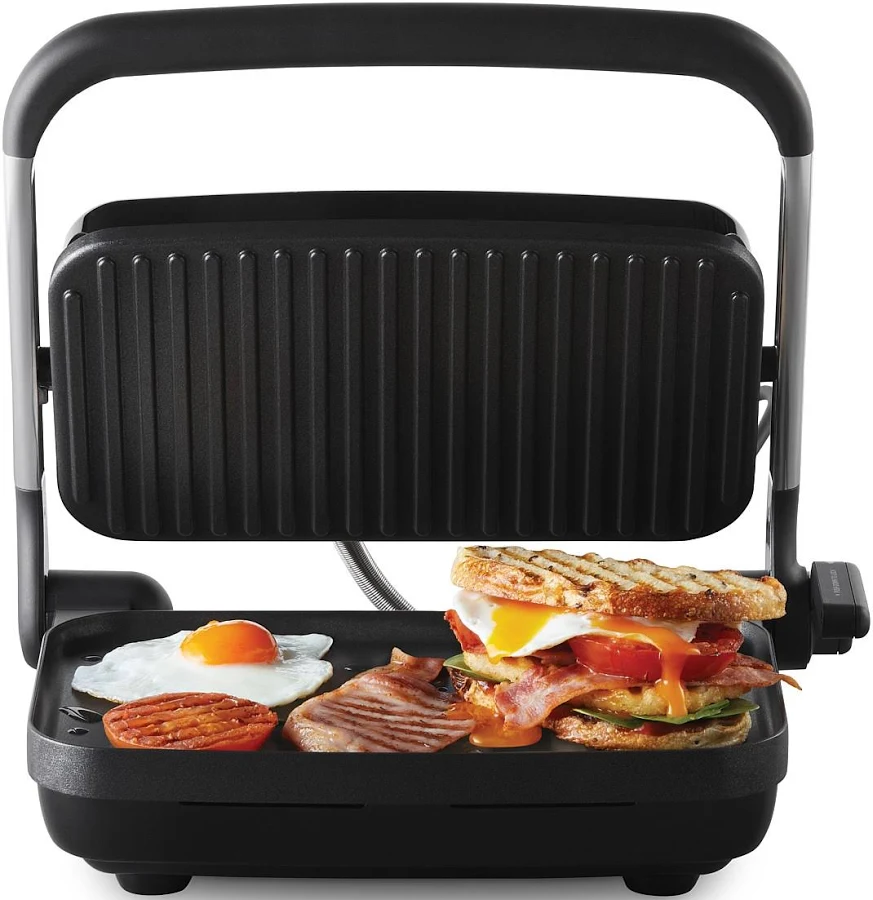
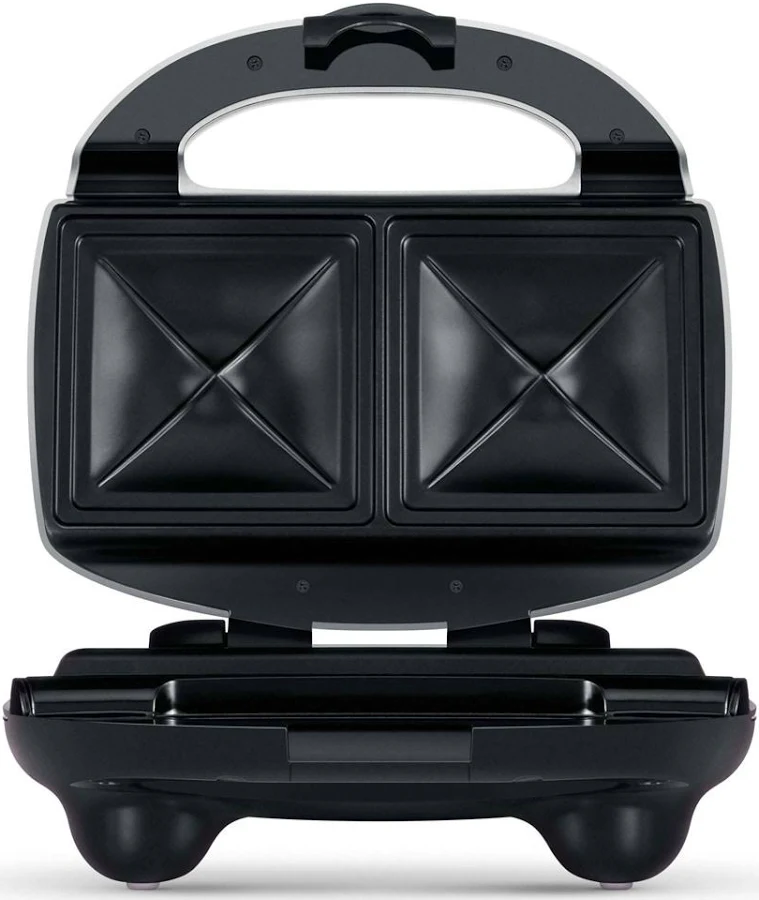
From
$59.00
Across 15 retailers
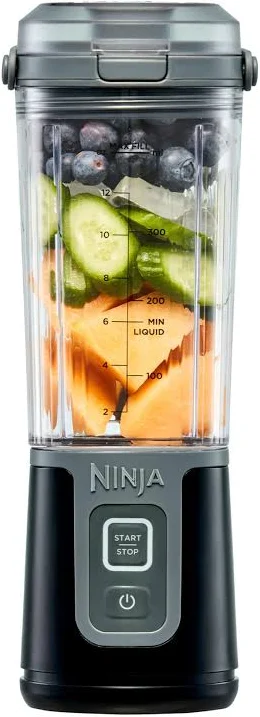
From
$72.75
Across 15 retailers
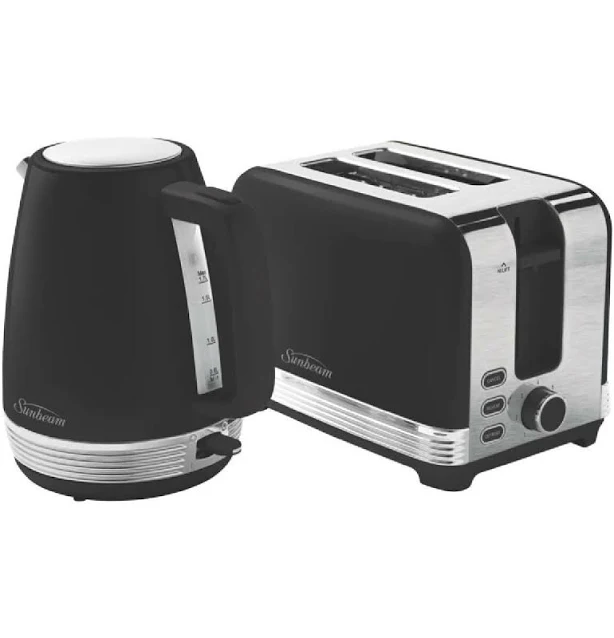
From
$92.00
Across 15 retailers

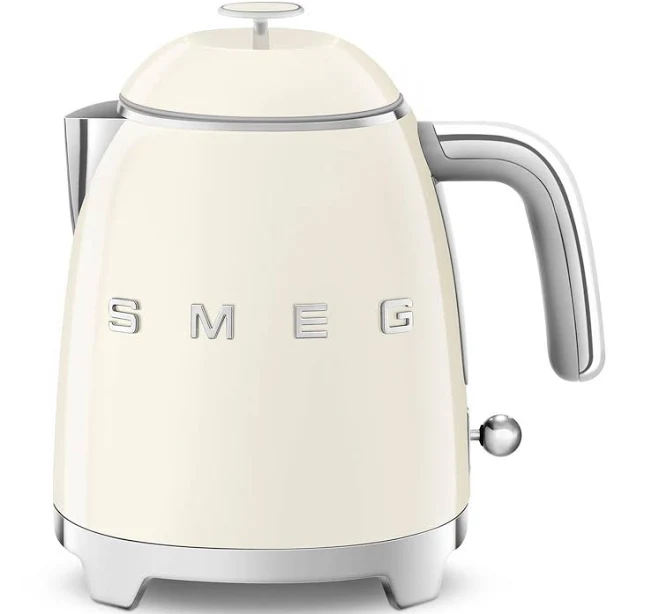
From
$148.00
Across 15 retailers
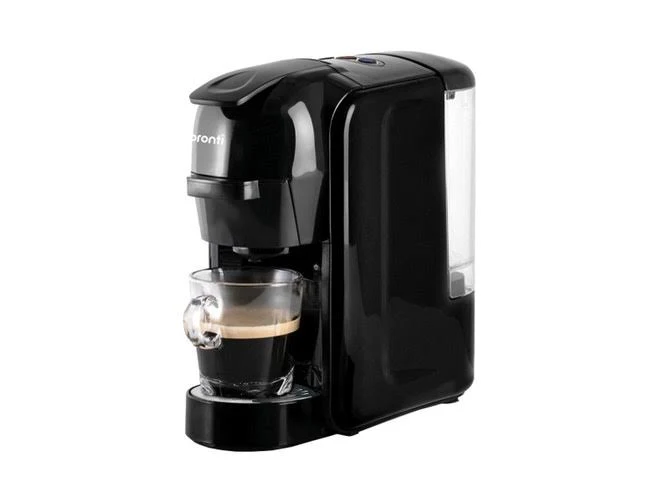
From
$397.00
Across 15 retailers
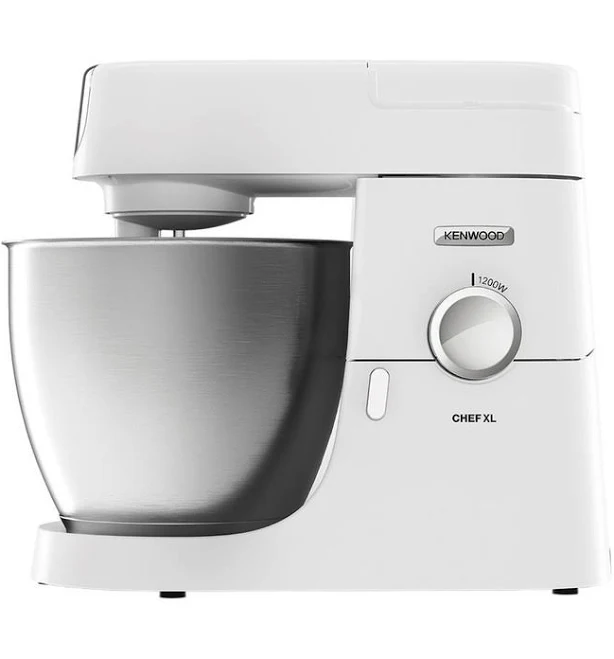
From
$400.00
Across 15 retailers
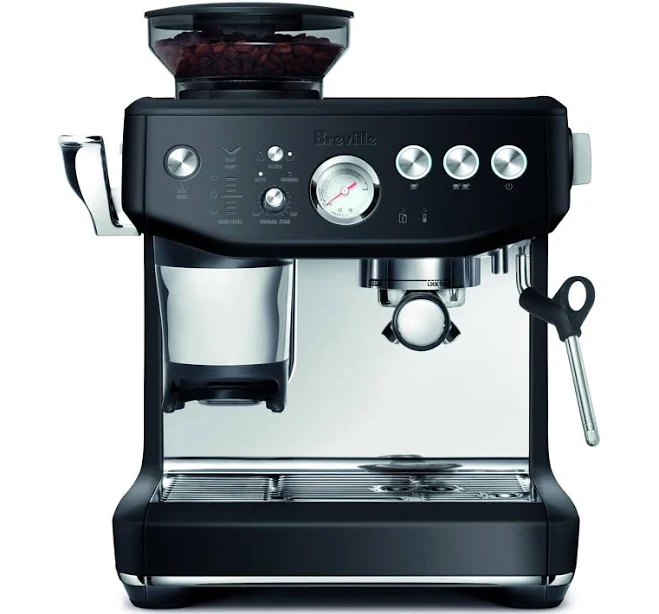
From
$797.00
Across 15 retailers
According to the IBISWorld report on Household Appliance Retailing in Australia, the industry generates approximately $6.5 billion in annual revenue. The market is heavily influenced by consumer confidence levels and the strength of the residential property sector, which drives demand for whitegoods and small kitchen appliances. Seasonal patterns are a defining characteristic of the Australian retail landscape. Data indicates significant spikes in purchase volume during the second and fourth quarters, coinciding with major tax-time promotions and the lead-up to the summer holiday period. Retailers often adjust inventory levels to accommodate these cyclical shifts, with a notable transition toward energy-efficient models as consumers respond to rising electricity costs. Furthermore, the shift toward online shopping has intensified competition, forcing traditional brick-and-mortar retailers to integrate omnichannel strategies to maintain market share. As Australian households increasingly prioritize smart-home integration, the market for connected kitchen appliances continues to expand, reflecting broader technological adoption trends across the country.
| Retailer | Products tracked | Price range |
|---|---|---|
| eBay | 638 | $6.49 – $3806.00 |
| JB Hi-Fi | 585 | $6.95 – $4299.00 |
| The Good Guys | 574 | $4.00 – $7999.00 |
| Harvey Norman | 531 | $8.00 – $7499.00 |
| Woolworths | 492 | $6.25 – $3749.99 |
| Bing Lee Electrics | 451 | $6.00 – $7999.00 |
| Myer | 448 | $14.00 – $3299.00 |
| BIG W | 375 | $6.25 – $5999.00 |
When purchasing kitchen appliances in Australia, timing is critical to securing the lowest price. Major sales events such as the End of Financial Year (EOFY) in June, Click Frenzy in May and November, Black Friday in late November, and the traditional Boxing Day sales in December offer the most significant discounts. Always verify that appliances meet Australian power standards, specifically 230V/50Hz, to ensure compatibility with local electrical infrastructure. When comparing specifications, prioritize energy star ratings, as these provide a reliable indicator of long-term running costs in the Australian climate. Common pitfalls include purchasing grey-market imports that may lack local manufacturer warranties or have non-compliant plugs. Before finalizing a purchase, check the product dimensions carefully, especially for integrated appliances, as standard Australian cabinetry sizes can vary. Additionally, consider the availability of local service agents for your chosen brand, as parts for niche imported models can be difficult to source. Always confirm if the advertised price includes delivery and installation, as these costs can vary significantly between online retailers and physical stores.
The best times to buy kitchen appliances in Australia are during major retail events like the End of Financial Year (EOFY) sales in June, Black Friday in November, and Boxing Day in December. Click Frenzy events in May and November also offer significant discounts. These periods typically see retailers clearing old stock to make room for new models, allowing consumers to secure lower prices on both small and large appliances.
Most kitchen appliances sold by major Australian retailers are specifically manufactured or adapted for the Australian market, operating at 230V/50Hz. If you purchase an appliance from an international website, it may be designed for a different voltage or plug type, such as 110V in the US. Using an incompatible appliance can damage the device or pose a significant fire risk. Always check the specifications label before purchase to ensure it is compliant with Australian electrical standards.
To ensure your appliance has a valid Australian warranty, purchase from authorized local retailers. Products sourced through 'grey market' importers may not be covered by the manufacturer's Australian warranty, meaning you would have to deal with the seller rather than the brand for repairs. You can verify warranty coverage by checking the manufacturer's official Australian website or contacting their local customer support line with the product's model number before completing your purchase.
In Australia, the Energy Rating Label is a mandatory requirement for many appliances, including refrigerators, dishwashers, and washing machines. The star rating indicates the appliance's energy efficiency; a higher number of stars means the product is more efficient and will cost less to run over its lifespan. When comparing models, use the 'Energy Consumption' figure in kilowatt-hours (kWh) per year to calculate the actual expected cost based on your local electricity tariff.
Pricing for kitchen appliances can vary significantly between online and in-store channels. Online retailers often have lower overheads, allowing for more aggressive discounting, while physical stores may offer price matching if you provide evidence of a lower advertised price from a competitor. It is recommended to use a price comparison site to monitor price history and current offers across both platforms before making a final decision, as retailers frequently run exclusive online-only promotions.