

- Category
- Camera Lenses
- Country
- Australia
- Catalogue products
- 285
- Products with prices
- 237
- Retailer count
- 8
- Min price (AUD)
- $11.00
- Max price (AUD)
- $28236.00
Camera Lenses in Australia
285 products in the catalogue · 237 with prices across 8 retailers from $11 to $28236.
Camera lenses in Australia typically range from $150 for entry-level prime optics to over $15,000 for professional-grade telephoto glass. Major Australian retailers including Camera House, Digidirect, and Ted’s Cameras stock an extensive variety of these products. Whether you are looking for wide-angle, macro, or zoom lenses, the sheer volume of options can make finding the lowest price challenging. Our price comparison engine simplifies this process by aggregating current offers from across the country, allowing you to filter by brand, mount type, and focal length. Additionally, our price history tool provides transparency by showing how current prices compare to historical trends, helping you decide if now is the right time to purchase. By leveraging our data, you can avoid overpaying and ensure you are securing a competitive deal on your next piece of optical equipment. We provide the tools to navigate the Australian market with confidence, ensuring that you pay the fair market value for your photography gear.Read camera lense buying guideHide camera lense buying guide
Top Camera Lenses Products
View All

PolarPro Shutter Collection for HERO9/10/11/12 Black
4.5(120)
From
$89.99
Across 14 retailers


Nikon Nikkor Z 24-200mm f/6.3 VR Zoom Camera Lens
4.8(965)
From
$949.00
Across 14 retailers

Hot-27%
Fujifilm XF 16-55mm f/2.8 R LM WR II Lens
4.5(135)
From
$1611.00
Across 14 retailers


Nikon NIKKOR AF-S DX 35mm f/1.8G Lens
4.8(7K)
From
$280.00
Across 13 retailers

Sony 20mm f/2.8 Wide Emount Camera Lens
4.6(221)
From
$396.00
Across 13 retailers

Sigma 56mm F1.4 DC DN Contemporary Camera Lens (Sony E-Mount)
4.9(988)
From
$426.05
Across 13 retailers


Fujifilm XF 23mm F2 R WR Lens, Black
4.8(870)
From
$495.00
Across 13 retailers


Nikon Nikkor Z 35mm f/1.4 Camera Lens
4.8(113)
From
$890.00
Across 13 retailers
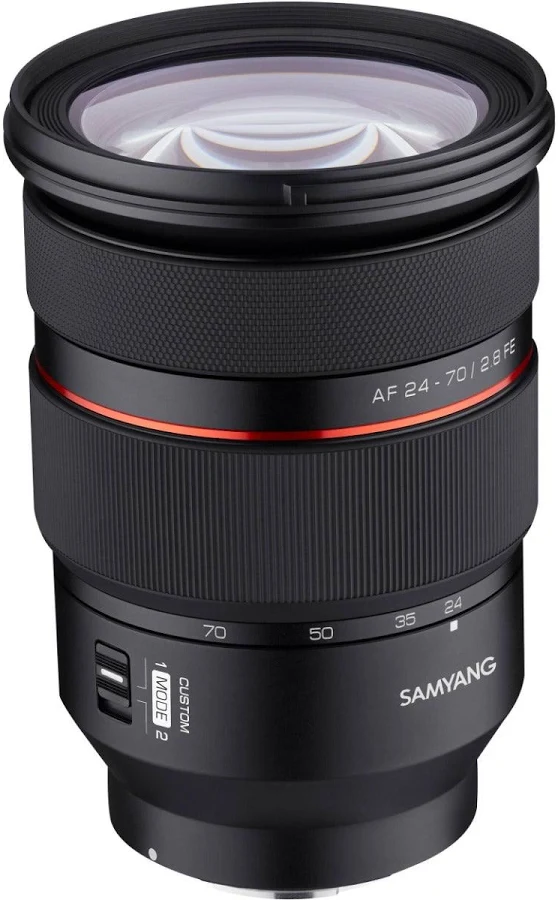
Samyang AF 24-70mm F2.8 Lens for Sony FE
4.7(929)
From
$1121.69
Across 13 retailers


Nikon Nikkor Z 14-30mm f/4 S Mirrorless Camera Lens
4.8(894)
From
$1359.00
Across 13 retailers


Tamron 70-180 mm F/2.8 Di III G2 VXD Camera Lens for Sony FE
4.8(550)
From
$1462.00
Across 13 retailers
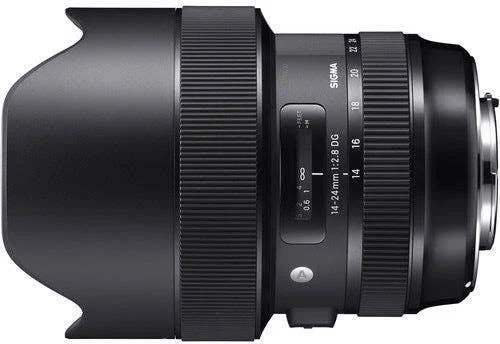
Sigma 14-24mm f/2.8 DG HSM Art Lens
4.9(385)
From
$1599.00
Across 13 retailers

Panasonic Leica DG Vario-Elmar 100-400mm f/4-6.3 II ASPH. Lens
4.5(60)
From
$2019.47
Across 13 retailers

Nikon Nikkor Z 24-70mm f/2.8 SII Camera Lens
5.0(101)
From
$3893.00
Across 13 retailers
Australian Market Context
According to the IBISWorld report on Camera and Photographic Equipment Retailing in Australia, the industry has faced significant shifts due to the rise of smartphone photography, yet the market for interchangeable lenses remains resilient, valued at approximately $480 million annually. This sector experiences distinct cyclical patterns tied to the Australian retail calendar. Demand consistently peaks during the final quarter of the year, driven by the holiday shopping season and the influx of new model releases from major manufacturers like Canon, Nikon, and Sony. Furthermore, professional photographers and enthusiasts often time their larger capital investments to coincide with the end of the financial year in June to take advantage of tax-deductible business expenses. Retailers frequently adjust their inventory levels and promotional strategies to align with these periods, often clearing older stock in early autumn to make room for new releases. Understanding these seasonal fluctuations is essential for consumers looking to maximize their budget, as retailers utilize these windows to manage stock turnover and maintain competitive pricing structures within the local Australian market.
Where to Buy Camera Lenses — Price Comparison
| Retailer | Products tracked | Price range |
|---|---|---|
| JB Hi-Fi | 143 | $14.00 – $8499.00 |
| eBay | 111 | $15.85 – $8199.00 |
| Georges Cameras | 106 | $41.07 – $24995.00 |
| Woolworths | 96 | $11.00 – $9349.15 |
| digiDirect Australia | 93 | $19.00 – $11049.15 |
| CameraPro | 76 | $22.00 – $28236.00 |
| BIG W | 73 | $11.00 – $9349.15 |
| Ted's Cameras | 71 | $129.95 – $9999.95 |
Buying Camera Lenses in Australia: What to Know
When purchasing camera lenses in Australia, timing your acquisition is crucial for securing the best value. Major sales events such as EOFY in June, Click Frenzy in May and November, Black Friday in late November, and Boxing Day in December are the primary windows for significant discounts. When evaluating lenses, prioritize specifications like aperture range, image stabilization, and weather sealing. Given Australia's diverse climate, weather-sealed lenses are recommended for outdoor photography to protect internal elements from dust and humidity. Ensure any lens mount is compatible with your specific camera body, as adapters can sometimes introduce latency or autofocus issues. A common pitfall for Australian buyers is purchasing from grey market importers; while these may appear cheaper, they often lack local manufacturer warranties and may not be serviced by official Australian repair centers. Always verify that the product is an official Australian stock item to ensure compliance with local consumer law and warranty support. Finally, consider the weight and build quality if you plan on traveling, as heavy glass can become cumbersome during long hikes or extended shoots in the Australian outback.
Common Questions
Are grey market camera lenses worth the risk in Australia?
Grey market lenses are products imported into Australia by third parties rather than the official manufacturer distributor. While they are often cheaper, the primary risk is the lack of a local manufacturer warranty. If the lens develops a fault, official Australian service centers may refuse to repair it under warranty, or at all. Furthermore, you may not be eligible for local manufacturer promotions or cashback offers. For expensive professional glass, the potential savings are often outweighed by the loss of consumer protection and reliable repair support.
What is the difference between a prime and a zoom lens?
A prime lens has a fixed focal length, meaning you cannot zoom in or out. These lenses typically offer wider maximum apertures, which are excellent for low-light photography and creating a shallow depth of field with soft background blur. Zoom lenses offer variable focal lengths, providing greater versatility for framing shots without changing your physical position. While modern zoom lenses have improved significantly in optical quality, prime lenses generally remain lighter, sharper, and more compact, making them a preferred choice for street photography and portraits.
How do I know if a lens is compatible with my camera?
Lens compatibility is determined by the lens mount system. Each camera manufacturer, such as Sony (E-mount), Canon (RF or EF-mount), and Nikon (Z or F-mount), uses a specific physical connection. You must match the lens mount to your camera body. Some manufacturers offer adapters that allow you to use older lenses on newer mirrorless bodies, but you should check for potential loss of autofocus speed or image stabilization performance. Always verify the mount type in the product specifications before completing your purchase to ensure a seamless fit.
Do I need weather-sealed lenses for photography in Australia?
If you frequently shoot outdoors, weather-sealed lenses are highly recommended. Australia's environment can be harsh, with high humidity in the north, salt spray near the coast, and fine dust in arid regions. Weather sealing uses rubber gaskets and seals to prevent moisture and debris from entering the lens barrel. While no lens is completely waterproof, weather-sealed equipment provides a necessary layer of protection against the elements. If you plan to shoot in challenging conditions, pairing a weather-sealed lens with a compatible weather-sealed camera body is the best way to safeguard your investment.
What does the 'f-stop' number on a lens mean?
The f-stop number, or aperture, indicates the size of the lens opening. A lower number, such as f/1.4 or f/2.8, means a larger opening, which allows more light to reach the sensor. This is beneficial for low-light conditions and achieving a shallow depth of field. A higher number, such as f/11 or f/16, means a smaller opening, which keeps more of the scene in focus from front to back. Understanding f-stops is fundamental to controlling both the exposure and the artistic look of your images.
Related Categories
Compare Camera Lenses prices by brand
- Freewell Camera Lenses25 recently priced products
- Kase Camera Lenses24 recently priced products
- Nikon Camera Lenses24 recently priced products
- Canon Camera Lenses16 recently priced products
- PolarPro Camera Lenses15 recently priced products
- Fujifilm Camera Lenses12 recently priced products
- SAMYANG Camera Lenses12 recently priced products
- Sony Camera Lenses12 recently priced products