


- Category
- Film Cameras
- Country
- Australia
- Catalogue products
- 26
- Products with prices
- 26
- Retailer count
- 8
- Min price (AUD)
- $13.44
- Max price (AUD)
- $199.00
Film Cameras in Australia
26 products in the catalogue · 26 with prices across 8 retailers from $13 to $199.
Film cameras in Australia currently range in price from $50 for entry-level point-and-shoots to over $4,500 for professional-grade medium format systems. Major Australian retailers stocking these products include Camera House, Digidirect, and Ted's Cameras. Whether you are hunting for a vintage 35mm SLR or a modern instant camera, our platform aggregates current pricing and historical trends to help you identify genuine savings. By using WhatsCheap, you can compare live offers across the country and view historical price charts to determine if a current discount is truly competitive or just a temporary fluctuation. Our goal is to provide transparency in the Australian photography market, allowing you to make informed purchasing decisions without the guesswork. With our comprehensive database, you can monitor price drops on specific models, ensuring you never overpay for your next analog photography gear. We simplify the shopping process by consolidating stock availability and pricing into one easy-to-use interface, saving you time and money on every transaction.Read film camera buying guideHide film camera buying guide
Top Film Cameras Products
View All




Kodak M38 Reusable 35mm Film Camera with Flash
4.9(1K)
From
$40.00
Across 11 retailers

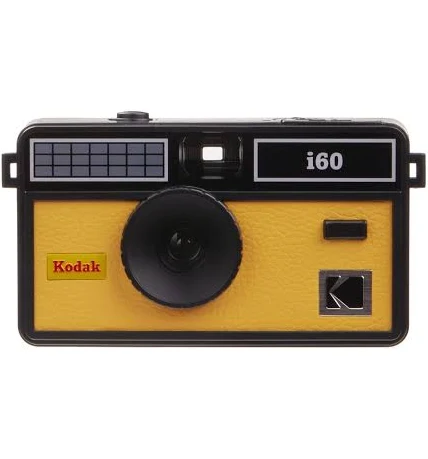
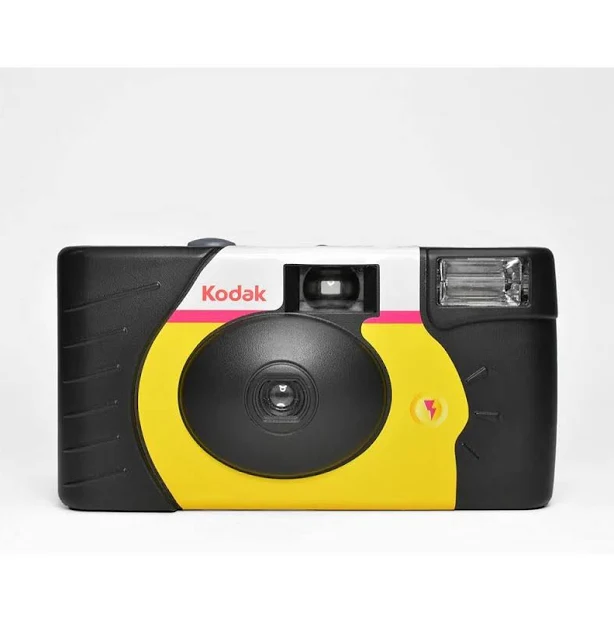


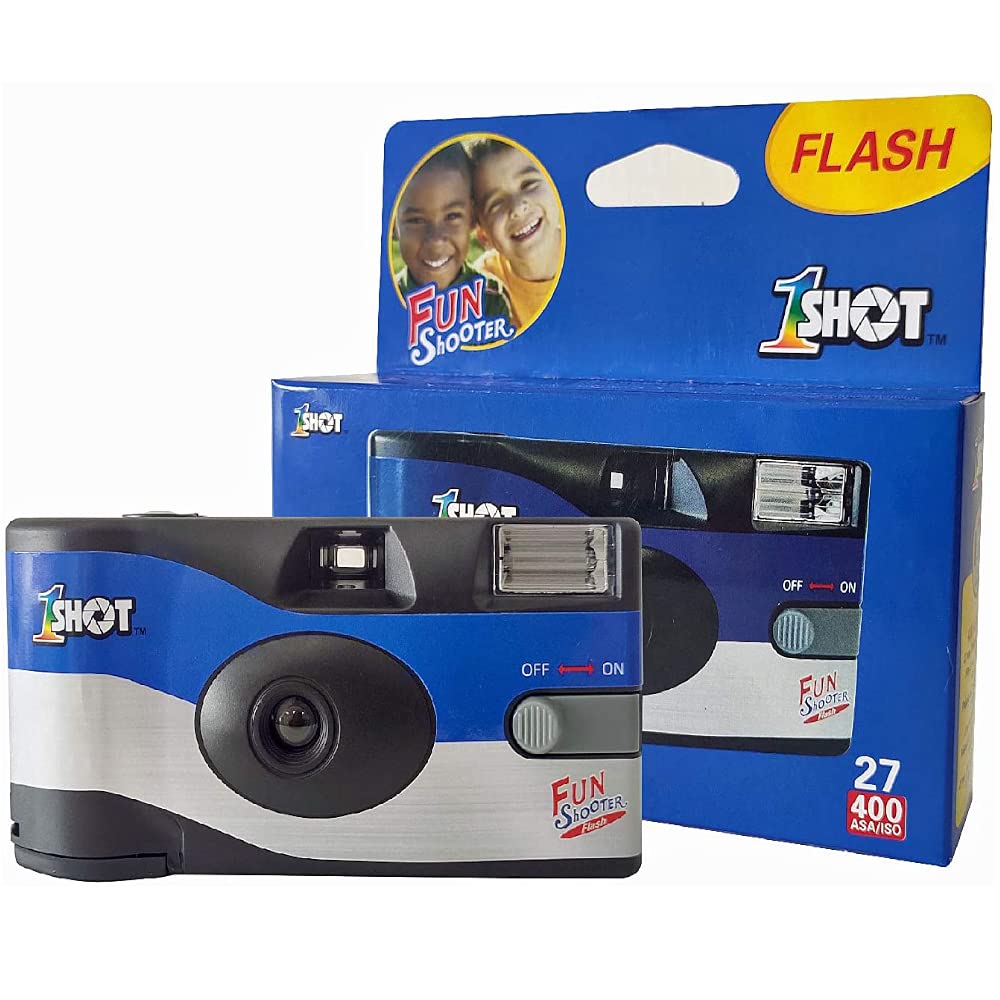
1SHOT Fun shooter Disposable Camera
4.1(25)
From
$24.25
Across 9 retailers


Australian Market Context
According to the IBISWorld report on Camera and Photographic Equipment Retailing in Australia, the industry has experienced a niche resurgence driven by the analog photography trend among younger demographics. Despite the dominance of digital imaging, the market for film-based equipment has stabilized, with annual industry revenue estimated at approximately $450 million. This growth is largely attributed to a cyclical interest in tactile, manual processes, which often peaks during the summer months when outdoor photography conditions are optimal. Retailers have observed that demand for film cameras follows a distinct seasonal pattern, with significant spikes during the holiday shopping period and the start of the academic year. Furthermore, the secondary market for refurbished vintage cameras has expanded, influencing the pricing strategies of new equipment retailers. As supply chains for film stock and specialized camera parts remain sensitive to global logistics, Australian retailers have adjusted their inventory levels to balance the steady demand for classic 35mm formats against the rising popularity of instant film technologies. This market dynamic ensures that while film photography remains a specialized hobby, it continues to hold a significant and measurable share of the Australian photographic retail landscape.
Where to Buy Film Cameras — Price Comparison
| Retailer | Products tracked | Price range |
|---|---|---|
| JB Hi-Fi | 20 | $24.95 – $139.00 |
| eBay | 18 | $13.44 – $184.29 |
| Georges Cameras | 12 | $14.00 – $72.60 |
| Dick Smith AU | 11 | $23.04 – $199.00 |
| Kogan.com | 11 | $23.04 – $199.00 |
| Camera-Warehouse | 10 | $15.25 – $82.46 |
| Woolworths | 9 | $27.50 – $109.95 |
| BIG W | 7 | $44.95 – $109.95 |
Buying Film Cameras in Australia: What to Know
When purchasing a film camera in Australia, timing your acquisition around major retail events can yield substantial savings. Key opportunities include the End of Financial Year (EOFY) sales in June, Click Frenzy events in May and November, Black Friday in late November, and the traditional Boxing Day sales in December. When evaluating a camera, prioritize the condition of the light seals, the accuracy of the shutter speeds, and the clarity of the lens elements. Be aware that vintage cameras often require specific batteries that may not be standard in Australia; ensure the model uses widely available cells or can be adapted for modern power sources. Climate is a critical factor for Australian photographers; high humidity and heat can degrade film stock and promote fungus growth in lenses. Always store your gear in a cool, dry environment with silica gel packets to prevent moisture damage. Avoid common pitfalls such as purchasing 'as-is' listings from overseas without verifying the import duty or the cost of professional servicing, which can often exceed the initial purchase price. Always check that the camera is compatible with standard 35mm or 120 film rolls, which remain the most accessible formats for local processing.
Common Questions
Where can I get film developed in Australia?
Film development services are available through specialized laboratories in major cities like Sydney, Melbourne, and Brisbane, such as Rewind Photo Lab or Hillvale. Many local camera stores also offer drop-off services where film is sent to a central lab. Prices typically range from $15 to $30 per roll for development and scanning. It is advisable to check if your local lab offers 'C-41' processing for standard color film or 'B&W' for black and white, as the chemical processes differ significantly.
Are film cameras expensive to maintain in Australia?
Maintenance costs depend on the camera's age and complexity. Basic mechanical SLRs are generally affordable to service, with professional clean, lubricate, and adjust (CLA) services costing between $150 and $300. However, electronic cameras with failing circuit boards can be difficult or impossible to repair. Ongoing costs include film stock, which currently averages $15 to $25 per roll, and development fees. Budgeting for these recurring expenses is essential, as the cost of film and processing often exceeds the initial purchase price of the camera body over time.
Can I use vintage film cameras with Australian power outlets?
Most vintage film cameras are purely mechanical and do not require electricity to operate, meaning they are unaffected by Australia's 230V/50Hz power standard. If your camera features a built-in light meter or electronic shutter, it will typically run on small, button-cell batteries. When buying vintage gear, ensure the battery compartment is free of corrosion. If the camera requires an external flash or a battery-powered motor drive, ensure you use a compatible Australian-certified power adapter to avoid damaging the sensitive electronic components of older equipment.
Is it better to buy a used or new film camera?
Buying used is the most common route for film photography, as many iconic models are no longer in production. Used cameras offer better value but carry the risk of mechanical issues. Always look for listings that specify the camera has been 'film tested' or 'serviced.' New film cameras are primarily limited to modern instant cameras or a few remaining 35mm models. New cameras provide the security of a manufacturer warranty, which is a significant advantage if you are a beginner and want to avoid potential repair costs.
What is the best film format for beginners in Australia?
35mm film is the most recommended format for beginners in Australia. It is the most widely available, with a vast selection of color and black-and-white stocks found at most photography retailers. Additionally, 35mm cameras are generally more compact and easier to use than medium format alternatives. The availability of 35mm film processing is also superior, with almost every professional lab in the country equipped to handle this format. Starting with 35mm allows you to learn the fundamentals of exposure and composition without the higher costs associated with larger film formats.