
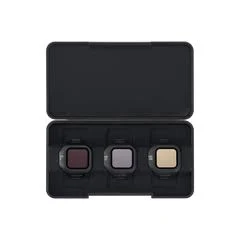
DJI Mini 5 Pro ND Filter Set (ND8/32/128)
5.0(4)
From
$74.87
Across 14 retailers

72 products in the catalogue · 68 with prices across 8 retailers from $5 to $5367.
From
$74.87
Across 14 retailers
From
$10.49
Across 13 retailers

From
$65.87
Across 13 retailers
From
$98.99
Across 13 retailers
From
$140.87
Across 13 retailers
From
$1529.00
Across 13 retailers
From
$2185.00
Across 13 retailers
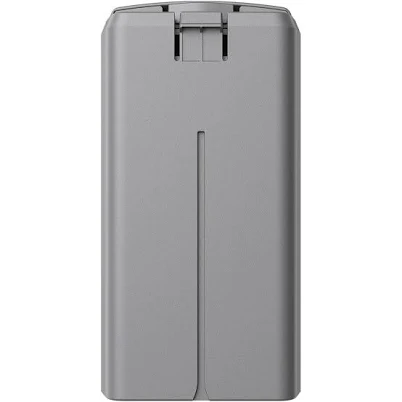
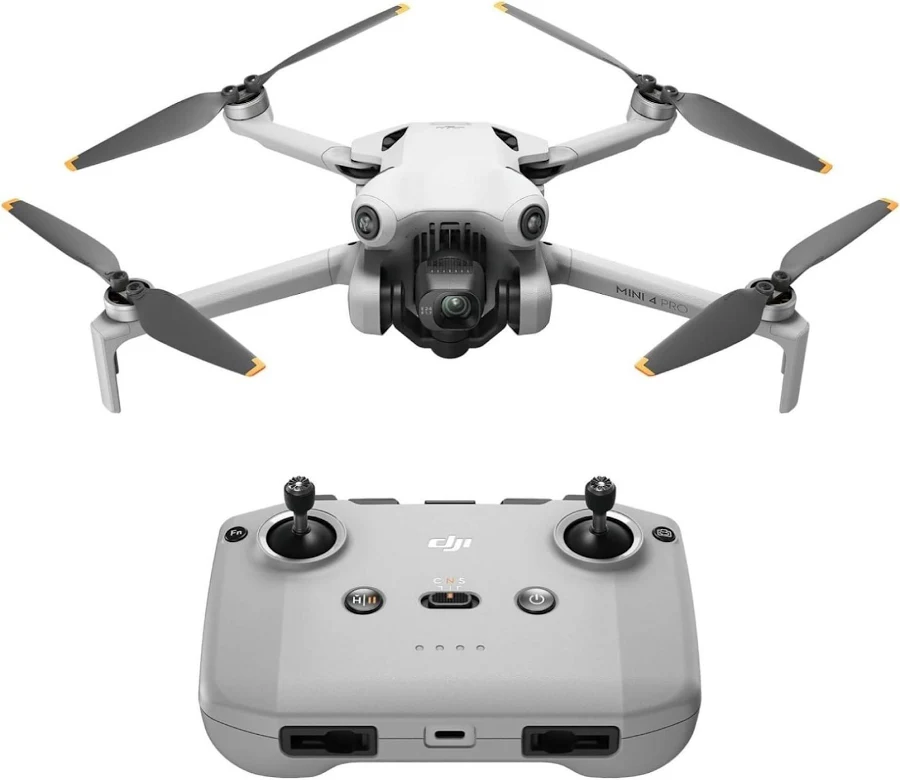
From
$949.00
Across 12 retailers
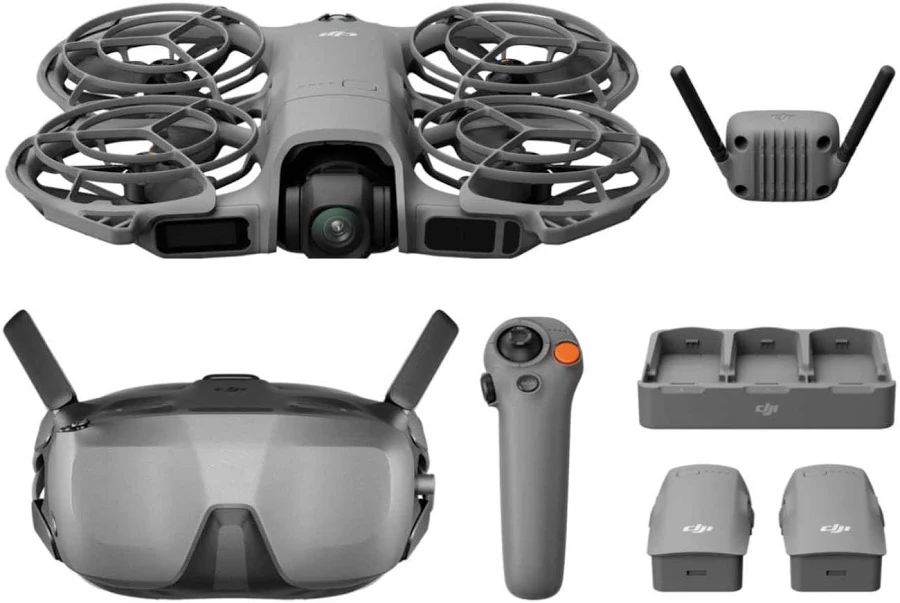
From
$44.95
Across 11 retailers
From
$59.00
Across 11 retailers
From
$98.00
Across 11 retailers
From
$419.00
Across 11 retailers
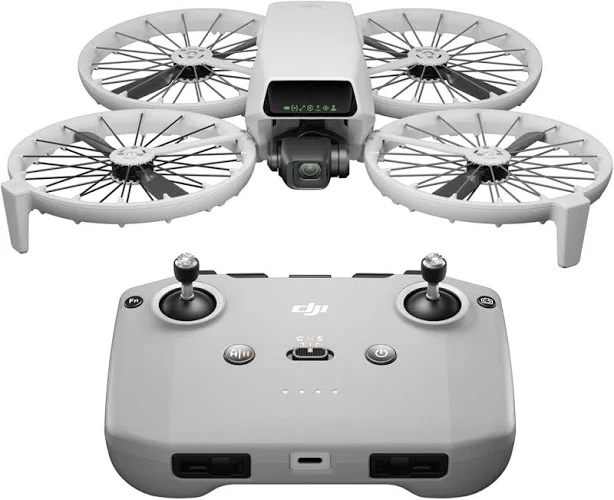
From
$557.00
Across 11 retailers
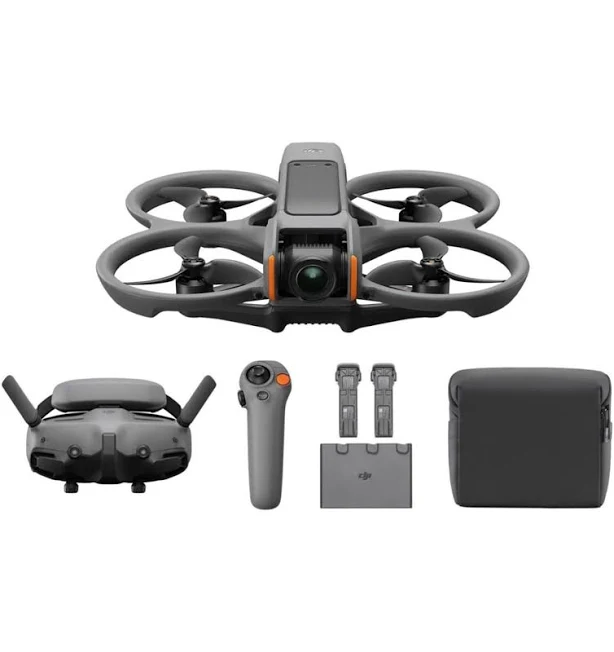
From
$649.00
Across 11 retailers
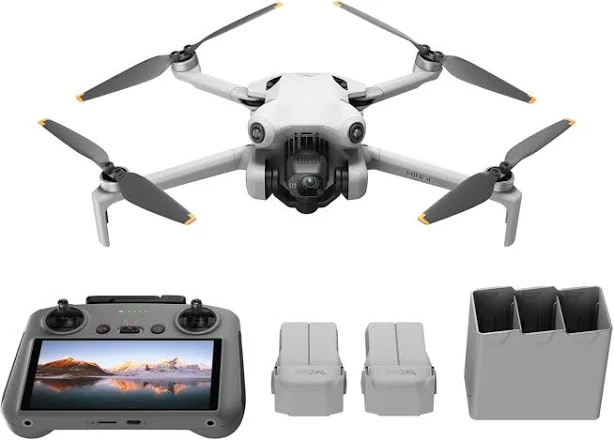
From
$1279.00
Across 11 retailers
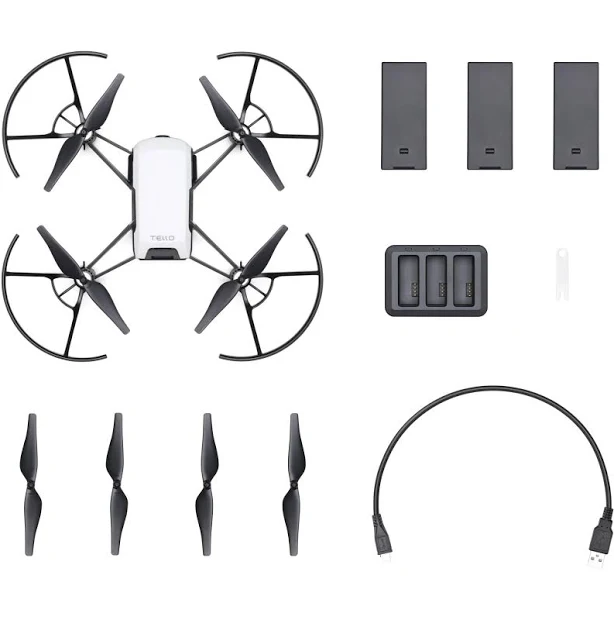
From
$239.00
Across 10 retailers
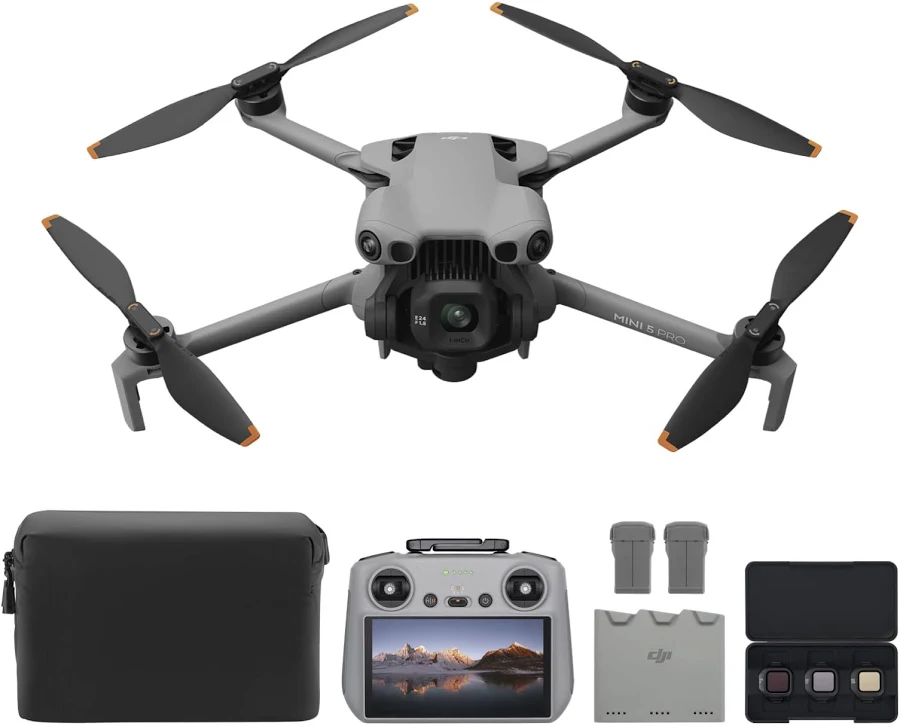
From
$1619.00
Across 10 retailers
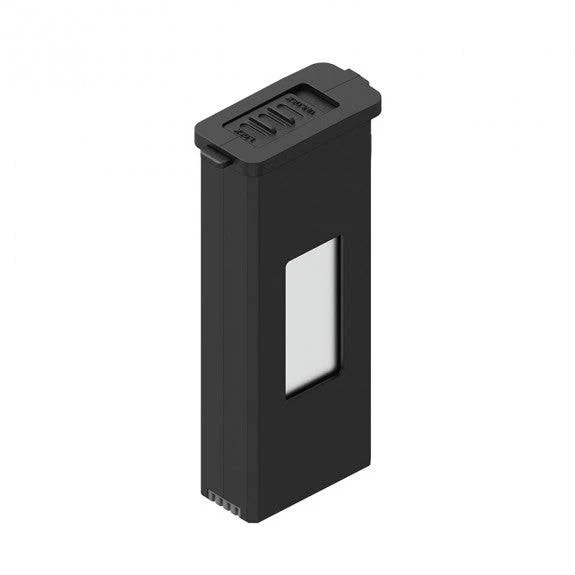
No reviews yet
From
$24.00
Across 9 retailers
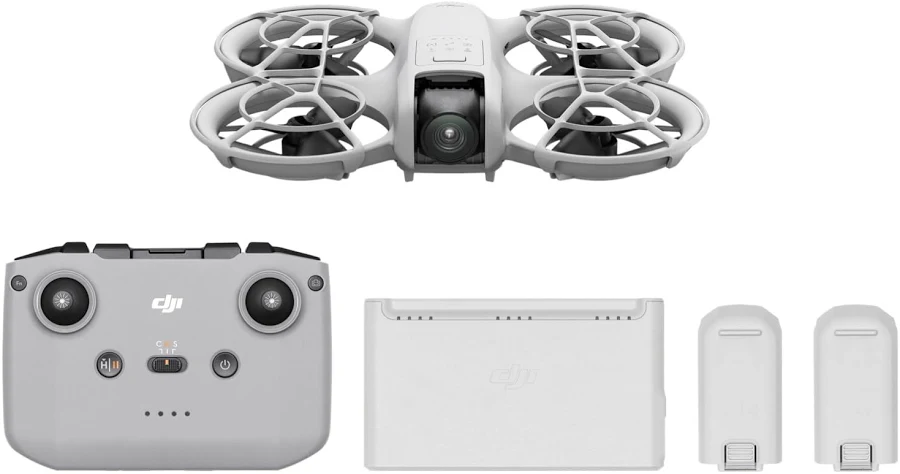
From
$369.00
Across 9 retailers
From
$668.00
Across 9 retailers
According to an IBISWorld industry report, the Australian drone market has experienced significant growth, with industry revenue projected to reach approximately $350 million as demand for commercial and recreational units expands. This growth is driven by the increasing integration of drone technology in agriculture, mining, and real estate, alongside a steady rise in consumer hobbyist purchases. The Australian retail market for drones exhibits distinct cyclical patterns, with peak sales volumes consistently occurring during the final quarter of the calendar year. Retailers typically see a surge in demand during the November Black Friday and Cyber Monday sales events, followed by a secondary peak during the post-Christmas Boxing Day clearance period. Additionally, the Australian retail sector experiences a notable uptick in electronics spending during the End of Financial Year (EOFY) sales in June, as businesses and individuals look to capitalise on tax-deductible technology upgrades. These seasonal trends are heavily influenced by retailer inventory cycles and the release schedules of major global manufacturers, which often align with these high-traffic shopping windows to maximise market penetration and clear stock before new model announcements.
| Retailer | Products tracked | Price range |
|---|---|---|
| eBay | 38 | $14.48 – $5366.79 |
| JB Hi-Fi | 34 | $5.00 – $2319.00 |
| DJI Official Store | 28 | $19.00 – $2429.00 |
| Woolworths | 24 | $39.95 – $2427.99 |
| CameraPro | 23 | $19.00 – $2409.00 |
| Georges Cameras | 17 | $19.00 – $2429.00 |
| D1 Store | 16 | $19.00 – $2429.00 |
| Videopro | 15 | $49.00 – $2427.00 |
When purchasing a drone in Australia, timing your acquisition is critical to securing the lowest price. Major savings are typically found during EOFY sales in June, Black Friday in November, and the Boxing Day sales in December. Click Frenzy events in May and November also offer targeted discounts on consumer electronics. When evaluating specifications, prioritise flight time, camera resolution, and transmission range. Ensure the drone is compatible with Australian power standards, specifically the 230V/50Hz electrical grid, to avoid charging issues. Climate considerations are also vital; Australia’s intense UV radiation and high summer temperatures can degrade battery performance and plastic components, so look for models with robust thermal management systems. A common pitfall for new buyers is ignoring Civil Aviation Safety Authority (CASA) regulations. Before flying, ensure your drone weighs under 250g if you wish to avoid complex registration requirements, though all pilots must adhere to standard safety rules, such as maintaining visual line-of-sight and avoiding restricted airspace near airports. Always check if the package includes essential accessories like spare propellers, extra batteries, and a carrying case, as buying these items separately often increases the total cost of ownership significantly.
For recreational use, you generally do not need a license to fly a drone in Australia, provided it weighs less than 2kg. However, you must follow the Civil Aviation Safety Authority (CASA) safety rules, which include flying only during the day, keeping the drone within your visual line-of-sight, and staying at least 30 metres away from other people. If you intend to fly for commercial purposes or operate a drone weighing more than 2kg, you will likely require a Remote Pilot License (RePL) and an operator accreditation.
You can fly your drone in most public spaces, provided you are not within 5.5 kilometres of a controlled airport or airfield. You must also avoid flying over populous areas like beaches, parks, or sporting ovals when they are in use. It is illegal to fly over private property in a way that creates a nuisance or invades privacy. Always use the CASA-verified drone safety apps, such as OpenSky, to check your specific location for temporary flight restrictions or controlled airspace before taking off.
Most modern drone chargers are universal and support the 100-240V input range, meaning they will function on the Australian 230V/50Hz grid. However, you must ensure the plug adapter matches the Australian Type I socket. If you purchase a drone from a region with different voltage standards, check the power brick label carefully. If it is not rated for 240V, do not plug it in, as it could cause a fire or damage the battery. It is safer to purchase from authorised Australian retailers to ensure local warranty support.
The best time to buy a drone is during major retail events when competition between retailers is highest. November is arguably the best month due to Black Friday and Cyber Monday, which often see the deepest discounts on popular consumer models. June is also an excellent time to buy during the End of Financial Year (EOFY) sales, as retailers clear out stock. Boxing Day in late December is another reliable period for price drops. Monitoring price history tools can help you identify if a sale price is genuinely lower than the average.
Australia's high temperatures can significantly impact lithium-polymer (LiPo) battery performance and longevity. Flying in temperatures exceeding 35-40 degrees Celsius can cause batteries to overheat, leading to reduced flight times and potential permanent damage to the cells. Always store your batteries in a cool, dry place and avoid leaving them in a hot car. If your battery feels excessively hot after a flight, allow it to cool down completely before attempting to recharge it, as charging a hot battery can be a significant fire hazard.