

- Category
- Smart Hubs & Controllers
- Country
- Australia
- Catalogue products
- 67
- Products with prices
- 58
- Retailer count
- 8
- Min price (AUD)
- $26.97
- Max price (AUD)
- $1249.00
Smart Hubs & Controllers in Australia
67 products in the catalogue · 58 with prices across 8 retailers from $27 to $1249.
Smart hubs and controllers in Australia typically range from $80 to $450 depending on the complexity of the ecosystem and local integration capabilities. Major Australian retailers including JB Hi-Fi, Harvey Norman, and Bunnings Warehouse stock a wide variety of these devices to suit different home automation needs. Whether you are looking for a standalone bridge or a comprehensive central controller that manages lighting, security, and climate, our platform provides the transparency you need to make an informed decision. By utilizing our comprehensive price comparison tools and historical pricing charts, you can identify genuine discounts and avoid inflated retail prices. WhatsCheap helps you navigate the Australian smart home market by aggregating real-time pricing data, allowing you to monitor price drops and purchase when the market is most favourable. Our mission is to simplify your shopping experience by providing clear, data-driven insights that save you time and money on every smart home investment.Read smart hubs & controller buying guideHide smart hubs & controller buying guide
Top Smart Hubs & Controllers Products
View All
Aqara Motion Sensor P1
4.6(399)
From
$21.99
Across 13 retailers


Eufy E10 Smart Display
4.3(41)
From
$289.00
Across 13 retailers


TP-Link Tapo Smart Temperature & Humidity Monitor
4.8(654)
From
$47.00
Across 12 retailers


TP-Link Omada BE3600 Dual-Band Ceiling Mount Wi-Fi 7 Access Point, 2.5 G Port, Omada SDN, Cloud Management, Seamless AI Roaming, PoE, Secure Guest Network, Business-Class, 5-Year Warranty(EAP723)
4.5(22)
From
$119.00
Across 12 retailers


Amazon Echo Hub
4.5(147)
From
$288.00
Across 12 retailers

Fitbit Sense 2 (Blue Mist/Pale Gold)
4.1(3K)
From
$355.00
Across 12 retailers

TP-LINK Smart IoT Hub with Chime
4.8(649)
From
$33.00
Across 11 retailers

TP-Link Tapo Battery Pack
4.8(453)
From
$44.00
Across 11 retailers


Ring Floodlight Cam Wired Plus White
4.7(4K)
From
$89.00
Across 11 retailers

Aqara G3 Camera
4.6(375)
From
$132.49
Across 11 retailers


Eve Aqua with Thread Smart Water Controller
3.5(46)
From
$240.95
Across 11 retailers
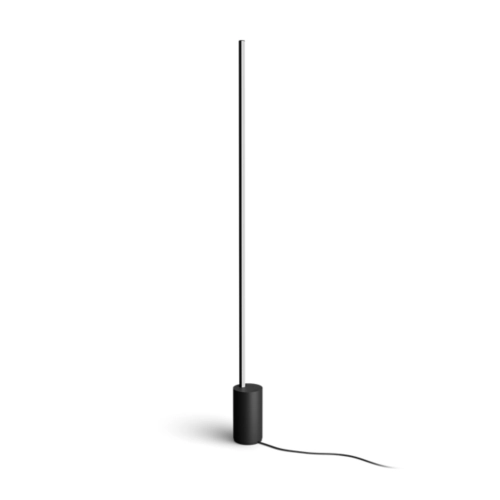
Philips Hue Gradient Signe Floor Lamp (Black)
4.7(357)
From
$448.00
Across 11 retailers
Australian Market Context
According to the IBISWorld report on Smart Home Device Retailing in Australia, the industry has experienced significant growth as consumers increasingly integrate automated systems into their living spaces. The market size for smart home technology in Australia is estimated to be worth over $1.2 billion annually, driven by a surge in demand for interoperability between disparate devices. This growth is heavily influenced by seasonal retail patterns unique to the Australian calendar. Retailers typically see a massive spike in smart home controller sales during the November Black Friday and Cyber Monday sales events, which have become the primary drivers for annual volume. Additionally, the post-Christmas Boxing Day sales period remains a critical window for clearing inventory, while the May and November Click Frenzy events provide mid-year opportunities for consumers to upgrade their home automation setups. As the Australian housing market shifts toward more energy-efficient and connected designs, the demand for centralised controllers that can manage solar battery storage and smart appliances is expected to continue its upward trajectory, making price monitoring essential for budget-conscious homeowners.
Where to Buy Smart Hubs & Controllers — Price Comparison
| Retailer | Products tracked | Price range |
|---|---|---|
| eBay | 37 | $26.99 – $625.00 |
| JB Hi-Fi | 37 | $26.97 – $1095.00 |
| Woolworths | 29 | $34.90 – $1098.95 |
| BIG W | 23 | $29.95 – $1249.00 |
| Kogan.com | 20 | $29.95 – $1049.95 |
| Dick Smith AU | 15 | $29.95 – $399.99 |
| Officeworks | 13 | $34.00 – $437.00 |
| Qantas Marketplace | 12 | $29.00 – $449.00 |
Buying Smart Hubs & Controllers in Australia: What to Know
When purchasing a smart hub in Australia, it is essential to ensure the device is compliant with local electrical standards, specifically the 230V/50Hz power supply. Always check for the RCM (Regulatory Compliance Mark) on the packaging to confirm the product is approved for the Australian market. For optimal savings, align your purchase with major Australian retail events such as the End of Financial Year (EOFY) sales in June, Black Friday in November, or the various Click Frenzy cycles throughout the year. When selecting a controller, prioritize devices that support Matter or Thread protocols to ensure future-proofing across different brands. Avoid the pitfall of purchasing imported grey-market hubs that may lack local plug compatibility or require region-locked software that limits functionality within the Australian ecosystem. Furthermore, consider the climate; if you are installing smart sensors or controllers in outdoor areas, ensure they are rated for Australian conditions, specifically regarding heat tolerance and humidity protection. Always verify if the hub requires a permanent internet connection or if it offers local processing, as the latter provides better reliability during NBN outages or network instability.
Common Questions
Do smart hubs in Australia work with all smart devices?
Not all smart hubs are universal. While many hubs support popular protocols like Zigbee, Z-Wave, and Wi-Fi, compatibility depends on the specific ecosystem. In Australia, major brands like Google, Amazon, and Apple offer hubs that integrate well with their respective ecosystems. However, some niche sensors or specific smart appliances may require their own proprietary bridge. Always check the device specifications for 'Matter' support, as this new industry standard is designed to improve interoperability between different brands, making it easier to connect various devices to a single controller.
Is a smart hub necessary for a smart home in Australia?
A smart hub is not strictly necessary for every smart home, but it is highly recommended for larger setups. If you only have one or two smart light bulbs, they can often be controlled directly via a smartphone app. However, once you add multiple sensors, switches, and security cameras, a hub becomes essential. It reduces congestion on your Wi-Fi network by using low-power protocols like Zigbee or Thread, and it allows for complex 'if-this-then-that' automations that function even if your internet connection is temporarily unstable.
What is the best smart hub for Australian homes?
The 'best' hub depends on your existing devices. If you are heavily invested in the Apple ecosystem, the Apple HomePod or Apple TV 4K acts as a robust HomeKit hub. For those who prefer voice assistants, the Amazon Echo (4th Gen) or Google Nest Hub are popular choices due to their wide compatibility with Australian-stocked smart appliances. If you are an advanced user looking for deep customisation, platforms like Home Assistant, which can be run on a Raspberry Pi, offer the most flexibility for complex Australian home automation tasks.
Do Australian smart hubs require a subscription?
Most smart hubs themselves do not require a subscription to function, but the services connected to them might. For example, while the hub manages your smart security cameras, the manufacturer may charge a monthly fee for cloud video storage. Some advanced automation features or premium AI-driven insights in apps like Google Home or Alexa may also be locked behind a subscription tier. Always read the fine print on the product packaging or the manufacturer's website to understand if recurring costs are associated with the specific features you intend to use.
How do I ensure my smart hub is secure?
Security is paramount for any connected device. To protect your Australian smart home, always change the default login credentials immediately upon setup. Ensure your home Wi-Fi network is password-protected with WPA3 encryption. Regularly update the firmware on your hub through the manufacturer's app to patch potential vulnerabilities. If your hub supports two-factor authentication (2FA), enable it immediately. Additionally, consider placing your smart home devices on a separate 'guest' Wi-Fi network if your router supports it, which isolates them from your primary computers and sensitive personal data.