
- Category
- Smart Plugs & Switches
- Country
- Australia
- Catalogue products
- 31
- Products with prices
- 30
- Retailer count
- 8
- Min price (AUD)
- $17.50
- Max price (AUD)
- $299.00
Smart Plugs & Switches in Australia
31 products in the catalogue · 30 with prices across 8 retailers from $18 to $299.
Smart plugs and switches in Australia typically range from $15 to $80 depending on features like energy monitoring and voice assistant compatibility. Whether you are looking for a simple Wi-Fi-enabled plug to automate a lamp or a sophisticated wall switch to control ceiling fans, the market offers diverse options for every budget. Smart plugs allow users to convert standard appliances into connected devices, while smart switches replace existing wall plates to provide remote lighting control. By integrating these devices into your home network, you can monitor power consumption and set schedules to improve energy efficiency. At WhatsCheap, we simplify your shopping experience by providing real-time price comparisons and historical price data. Our tools allow you to track fluctuations, ensuring you never pay more than necessary for your smart home upgrades. By aggregating data from across the country, we help you identify the lowest available price, saving you time and money on every purchase.Read smart plugs & switch buying guideHide smart plugs & switch buying guide
Top Smart Plugs & Switches Products
View All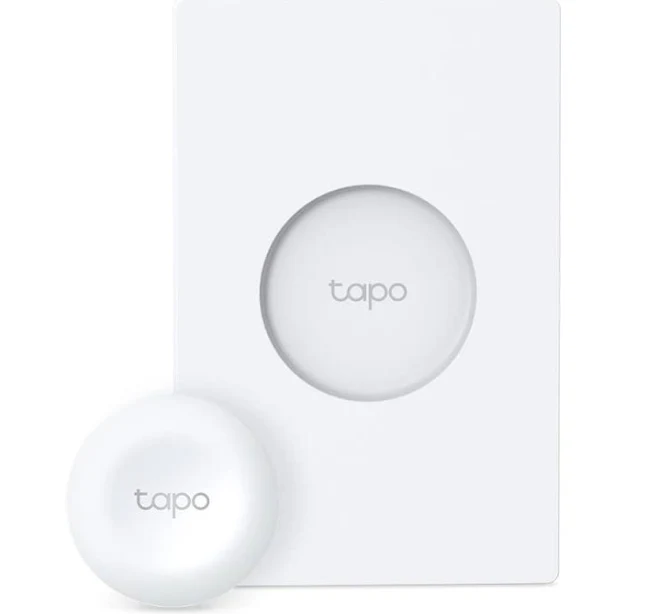
TP-LINK Smart Remote Dimmer Switch
4.7(87)
From
$29.00
Across 13 retailers

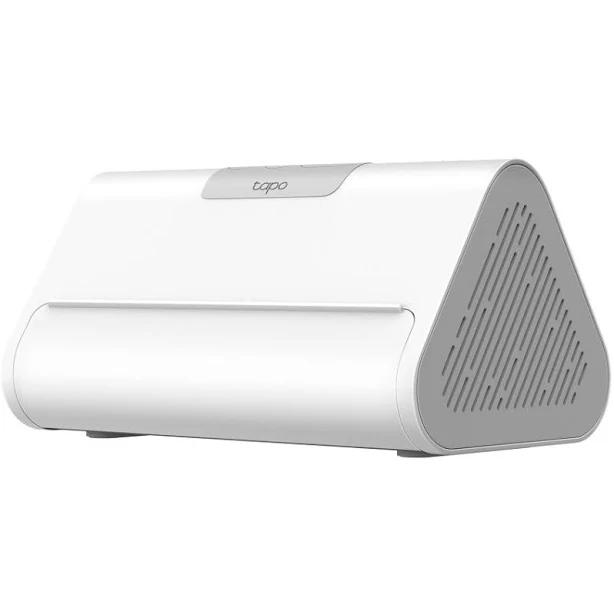
TP-LINK Tapo Smart HomeBase
4.5(462)
From
$199.00
Across 13 retailers
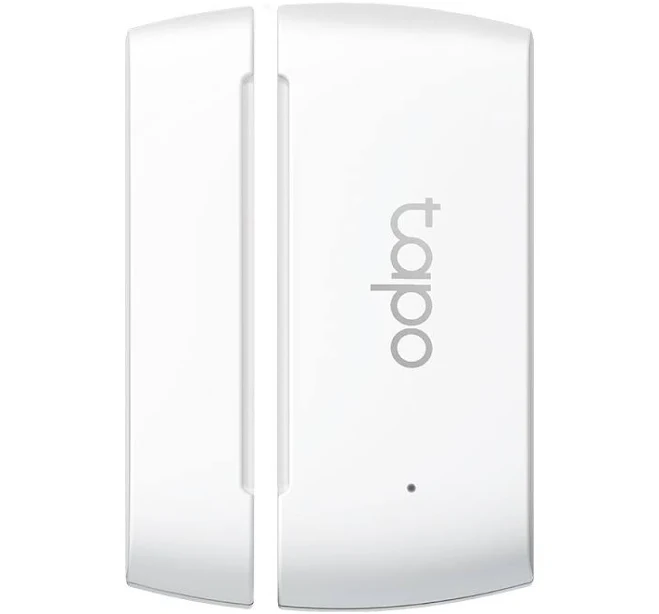
TP-LINK Smart Contact Sensor
4.7(725)
From
$23.00
Across 12 retailers

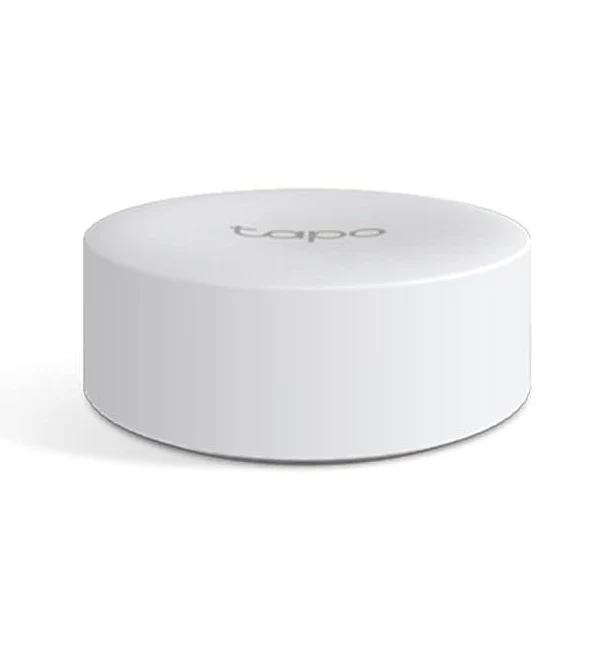
TP-LINK Smart Button
4.7(261)
From
$26.36
Across 12 retailers
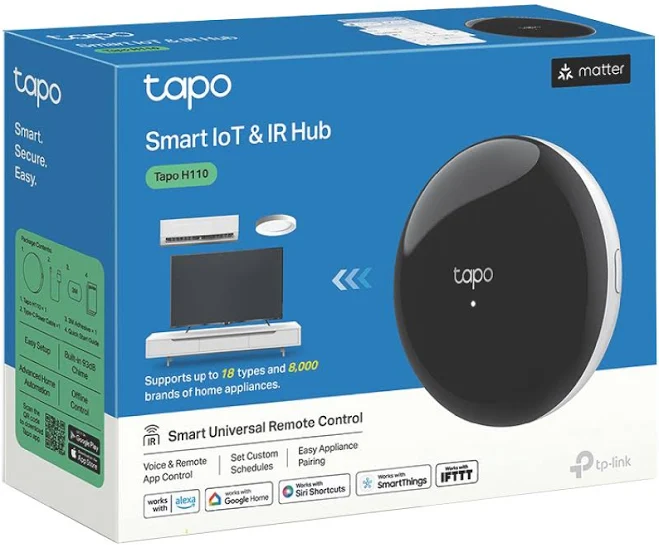
TP-LINK Tapo Smart IR & IoT Hub
4.7(132)
From
$33.99
Across 12 retailers
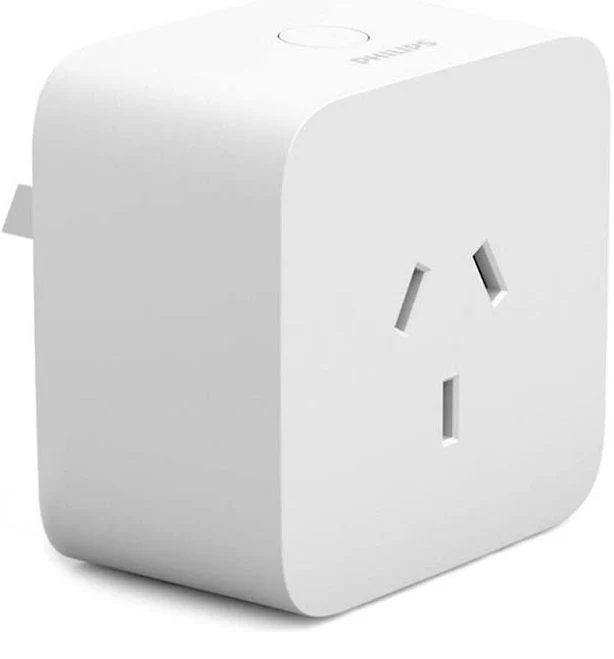
Philips Hue Bluetooth Smart Plug V2 (2021)
4.6(37)
From
$58.00
Across 12 retailers
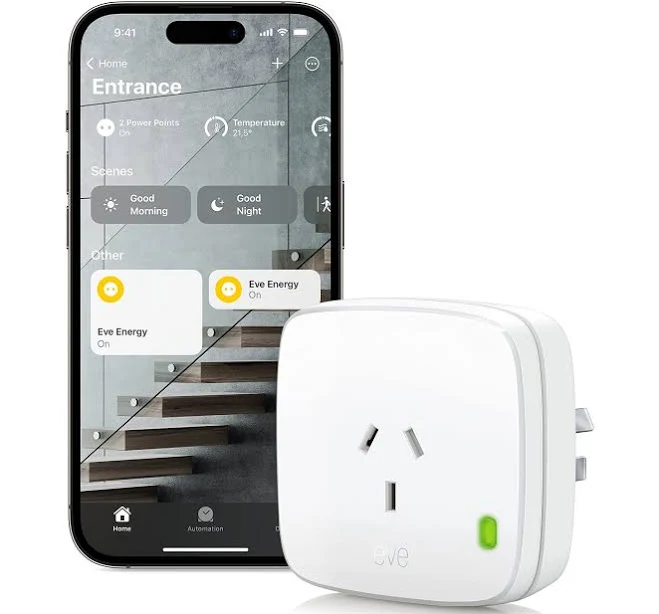
Eve Energy (Matter)
4.5(4)
From
$68.95
Across 12 retailers
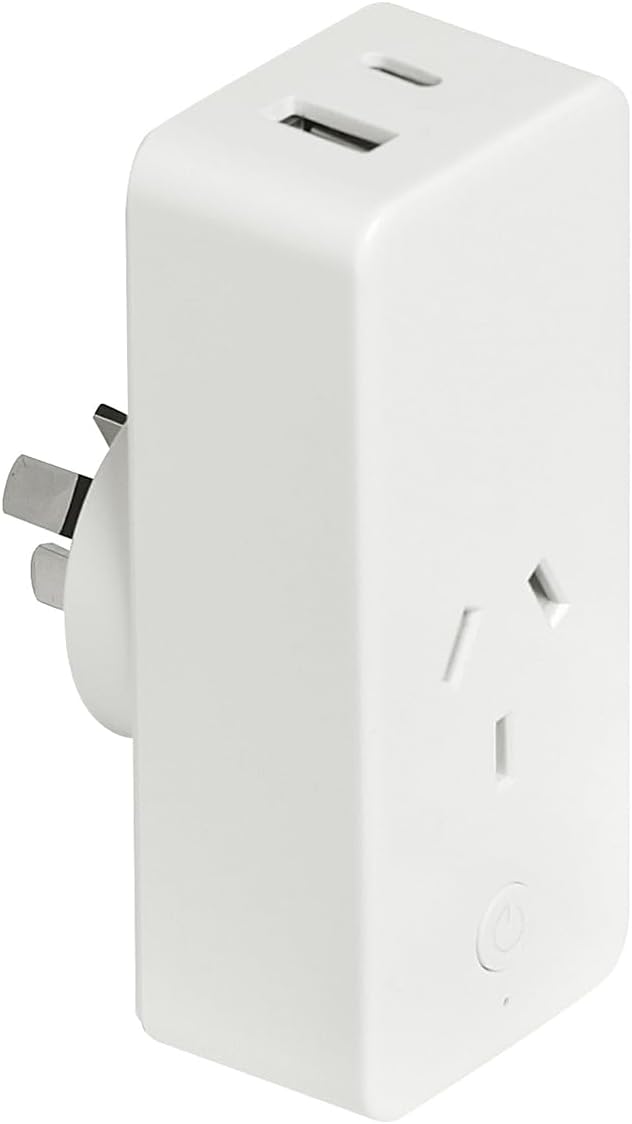
Brilliant Smart Wi-Fi Single Outlet with USB-A & USB-C
3.2(11)
From
$15.72
Across 11 retailers
Hot-26%
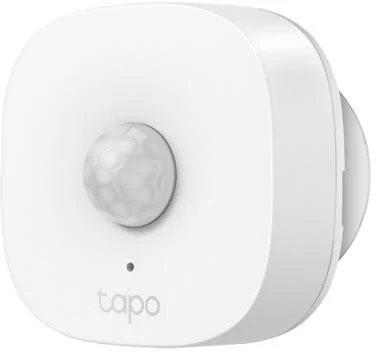
TP-LINK Smart Motion Sensor
4.7(435)
From
$29.00
Across 10 retailers
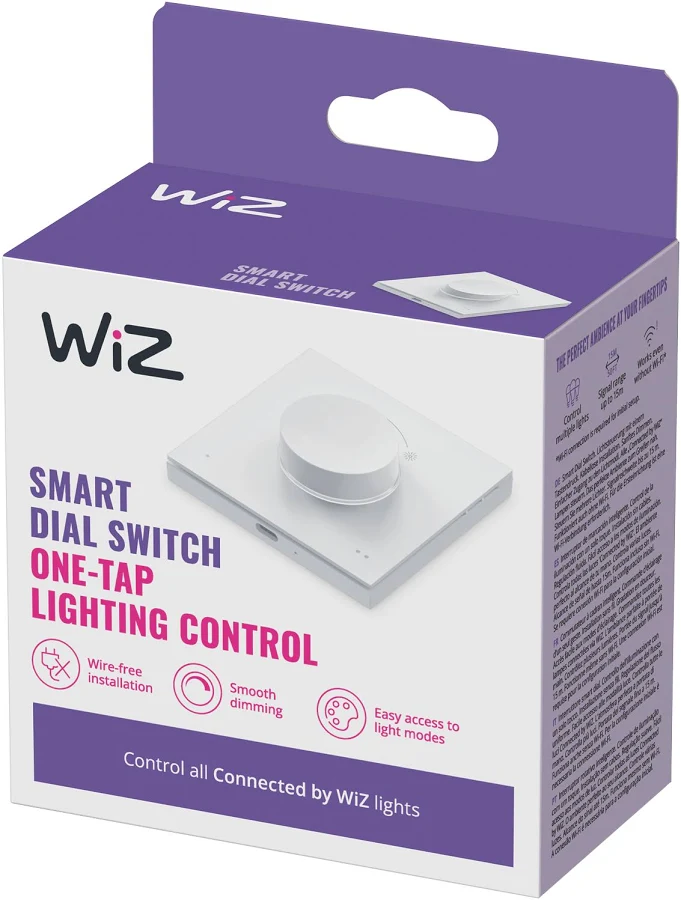
Wiz Smart Tap Dial Switch
4.0(12)
From
$55.12
Across 10 retailers
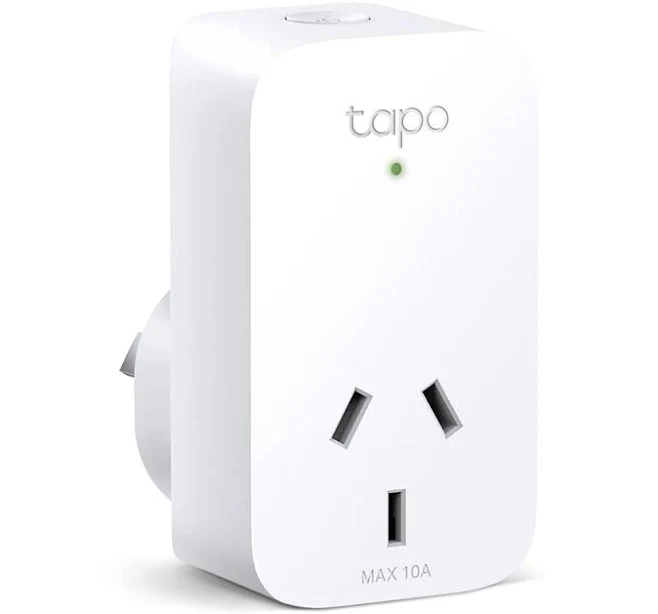
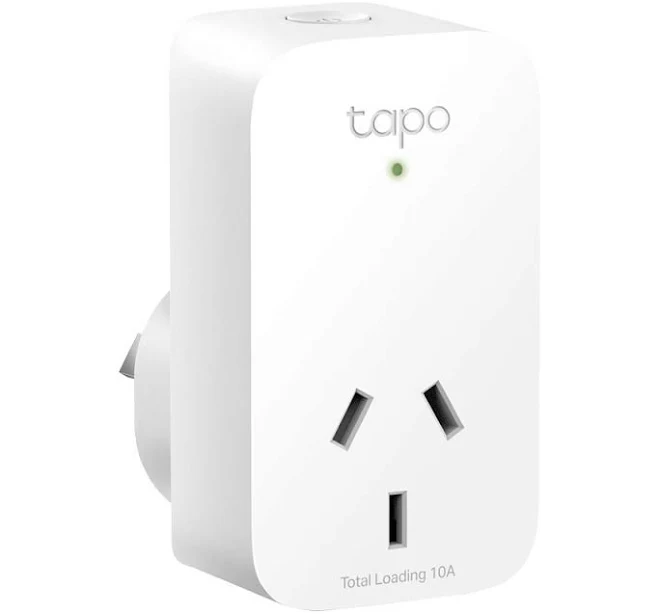
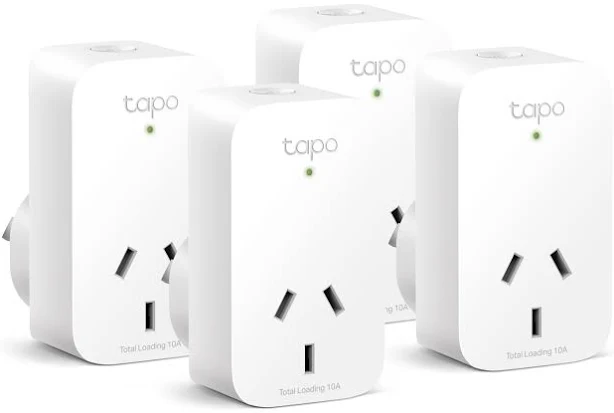
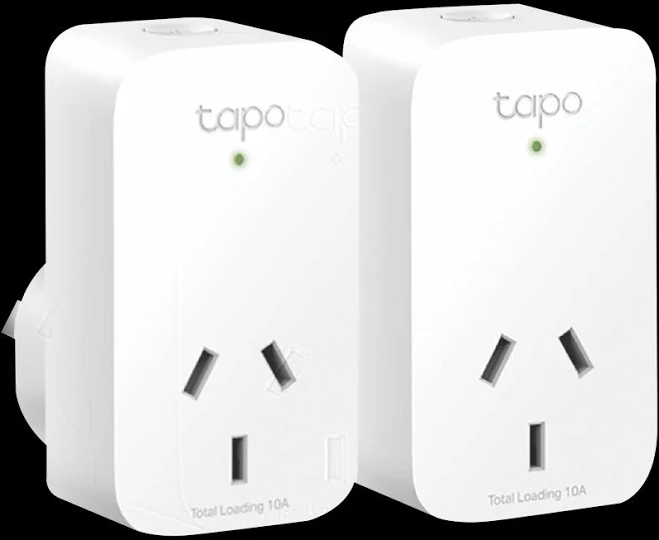
TP-LINK Smart Mini Wi-Fi Plug
4.8(9K)
From
$18.00
Across 6 retailers
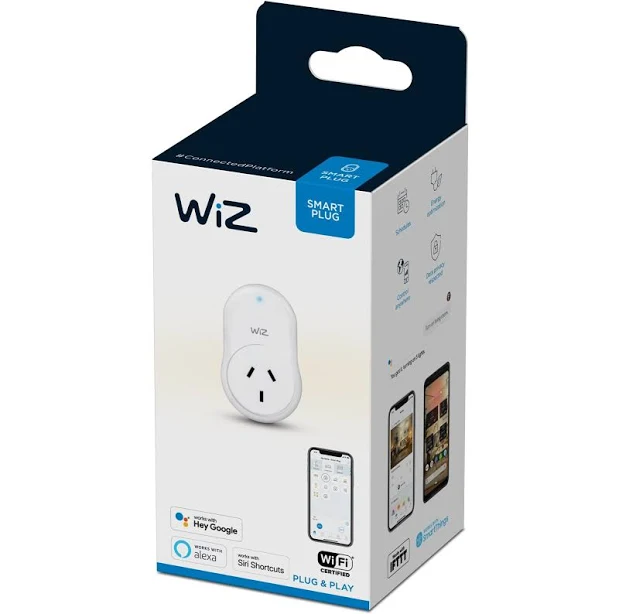
Wiz Smart AC Plug
2.9(11)
From
$20.00
Across 4 retailers
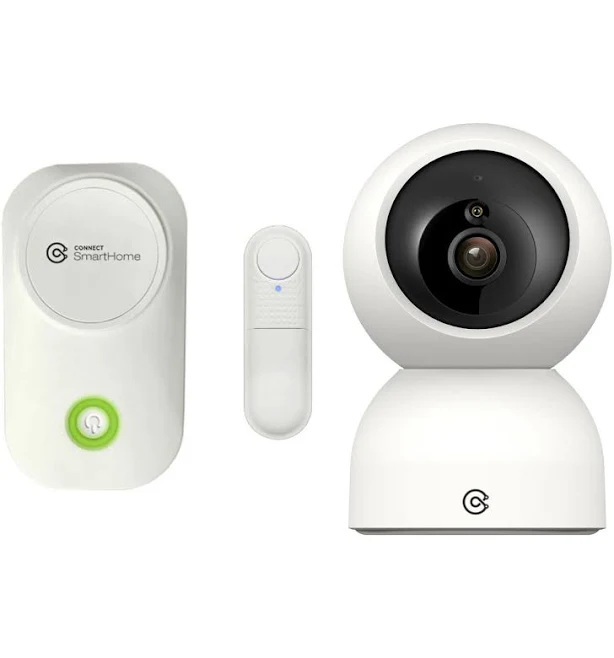
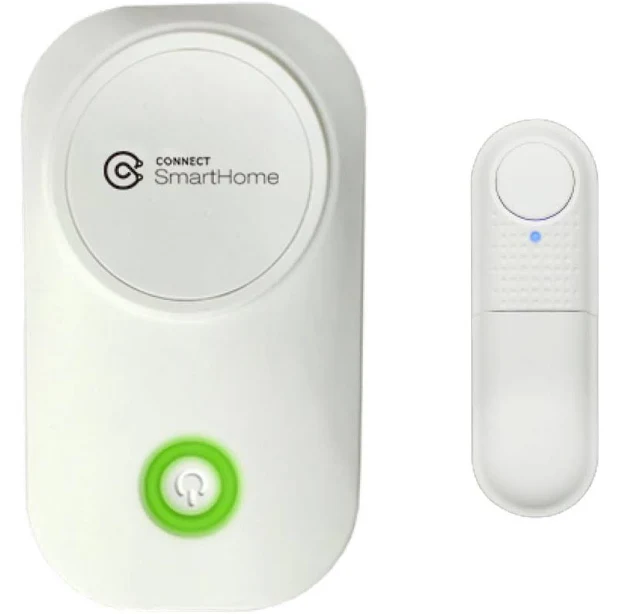
Connect SmartHome Garage Door Opener & Pan Tilt Camera
No reviews yet
From
$64.00
Across 4 retailers
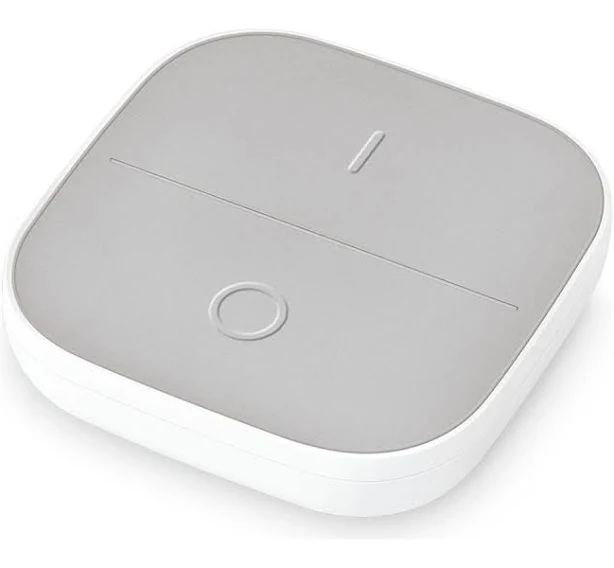
Wiz Portable Button
3.5(20)
From
$25.00
Across 3 retailers
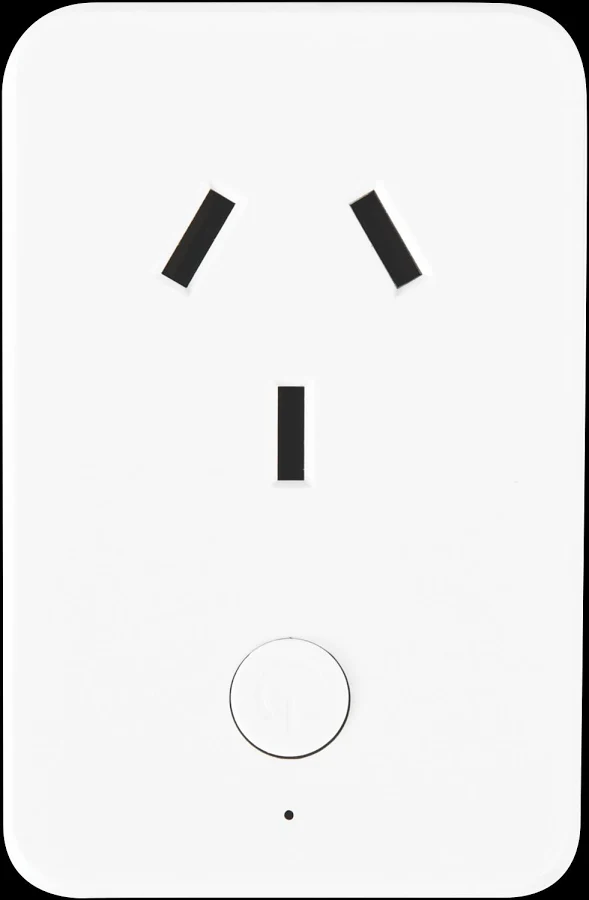
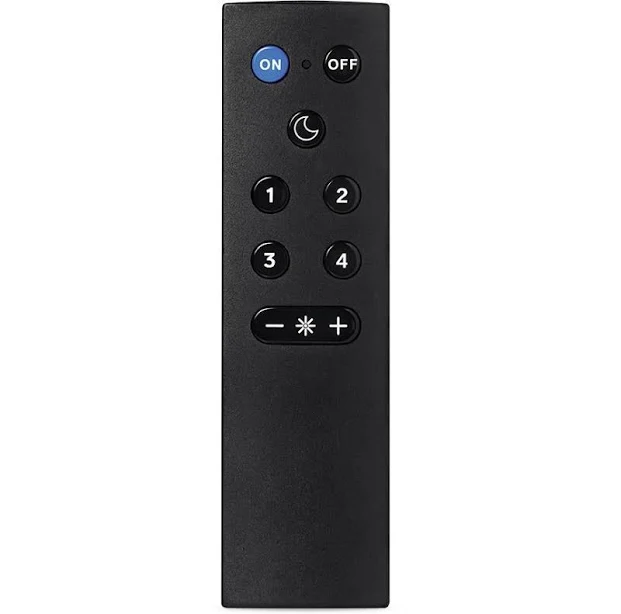
Wiz Wi-Fi Remote Control
4.0(88)
From
$27.00
Across 2 retailers
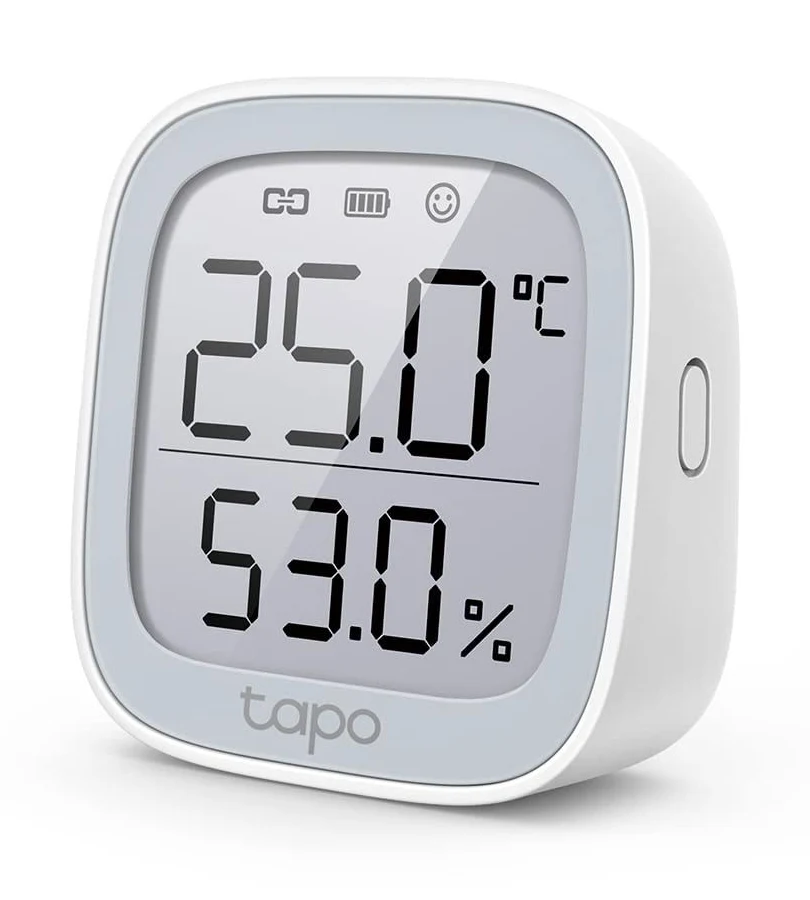
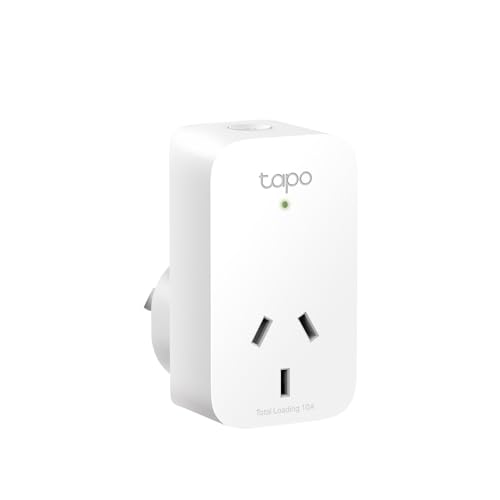
Australian Market Context
According to the IBISWorld report on the Smart Home Device Industry in Australia, the sector has experienced significant growth as consumers increasingly prioritise energy management and home automation. The market size is currently valued at approximately $1.2 billion, driven by a rising number of households adopting IoT-enabled appliances. Retail demand in Australia follows distinct seasonal patterns, with significant spikes observed during the November Black Friday and Cyber Monday sales events, as well as the post-Christmas Boxing Day period. Furthermore, the Australian Retailers Association notes that consumer interest in smart home technology often peaks during the winter months, as households seek to optimise heating and lighting efficiency to combat rising electricity costs. This cyclical behaviour is supported by the increasing availability of affordable, plug-and-play smart devices that do not require professional installation. As connectivity standards like Matter become more prevalent, the market is expected to see continued expansion, with retailers adjusting inventory levels to meet the demand for interoperable devices that function seamlessly across different smart home ecosystems.
Where to Buy Smart Plugs & Switches — Price Comparison
| Retailer | Products tracked | Price range |
|---|---|---|
| eBay | 13 | $17.50 – $100.99 |
| JB Hi-Fi | 13 | $19.00 – $299.00 |
| The Good Guys | 12 | $22.00 – $299.00 |
| Woolworths | 9 | $22.00 – $282.20 |
| Officeworks | 7 | $20.00 – $247.00 |
| Bing Lee Electrics | 6 | $29.00 – $224.00 |
| Scorptec | 6 | $19.00 – $299.00 |
| digiDirect Australia | 6 | $23.00 – $69.00 |
Buying Smart Plugs & Switches in Australia: What to Know
When purchasing smart plugs and switches in Australia, it is essential to ensure that all products comply with Australian Standards (AS/NZS 3112) for 230V/50Hz power systems. Avoid purchasing grey-market imports from overseas marketplaces that lack the RCM (Regulatory Compliance Mark), as these may pose significant fire or electrical safety risks. For outdoor installations, always verify the IP (Ingress Protection) rating to ensure the device is weather-resistant against Australian conditions. The best time to buy is during major retail events such as the End of Financial Year (EOFY) sales in June, Click Frenzy in May and November, and the Black Friday sales in November. Key features to consider include energy monitoring capabilities, which allow you to track power usage via an app, and the type of wireless protocol, such as Wi-Fi, Zigbee, or Bluetooth. Wi-Fi devices are generally easier to set up as they do not require a separate hub, whereas Zigbee devices offer better stability for larger smart home setups. Always check for compatibility with your existing voice assistants, such as Google Home, Amazon Alexa, or Apple HomeKit, to ensure seamless integration.
Common Questions
Are smart plugs safe to use in Australia?
Yes, provided you purchase devices that are certified for the Australian market. Look for the RCM (Regulatory Compliance Mark) on the packaging or the device itself, which indicates the product meets Australian safety standards. Avoid buying cheap, uncertified plugs from international websites, as these may not be compatible with our 230V electrical grid and could pose a significant fire hazard. Always ensure your smart plug is plugged into a properly grounded wall socket and do not exceed the maximum wattage rating specified by the manufacturer.
Do smart plugs work if the internet goes down?
Most Wi-Fi smart plugs require an active internet connection to be controlled via a smartphone app or voice assistant. If your internet goes down, you will typically lose the ability to control the device remotely or via cloud-based automation. However, many smart plugs feature a physical button on the unit itself, which allows you to manually turn the device on or off regardless of your internet status. Some advanced smart switches and plugs may retain local schedules if they are connected to a hub, but basic Wi-Fi models usually revert to manual control.
Will a smart plug help reduce my electricity bill?
A smart plug can help reduce your electricity bill by identifying 'vampire' power loads—appliances that consume energy even when turned off. By using the energy monitoring feature found in many smart plugs, you can track exactly how much power a device uses. You can then set schedules to automatically turn off devices like gaming consoles, coffee machines, or heaters when they are not in use. While the savings from a single plug may be small, automating multiple high-draw devices can lead to noticeable reductions in your total household energy consumption over time.
Can I use smart plugs with my existing Australian wall switches?
Smart plugs are designed to be inserted into existing wall sockets, meaning you do not need to modify your home's wiring to use them. If you want to control your lights, you can plug a floor or table lamp into a smart plug. However, if you want to control hard-wired ceiling lights, you will need to replace your existing wall switches with smart wall switches. This process involves replacing the physical switch plate and requires a neutral wire in your wall box. If you are unsure about your home's wiring, it is recommended to consult a licensed electrician.
What is the difference between Wi-Fi and Zigbee smart plugs?
Wi-Fi smart plugs connect directly to your home router, making them easy to install without additional hardware. They are ideal for small setups. Zigbee smart plugs require a central hub to communicate with your network. While this adds an extra step to the setup process, Zigbee devices are generally more reliable for larger smart home systems because they create a 'mesh' network, which reduces congestion on your Wi-Fi and improves signal range. Choose Wi-Fi if you want simplicity, and Zigbee if you plan to build a complex, multi-device smart home.