
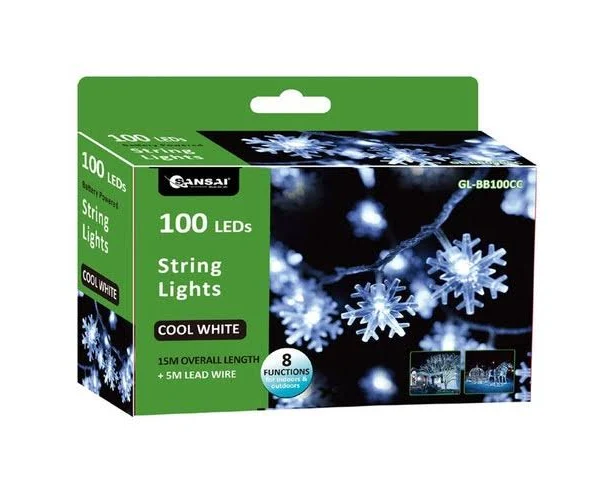
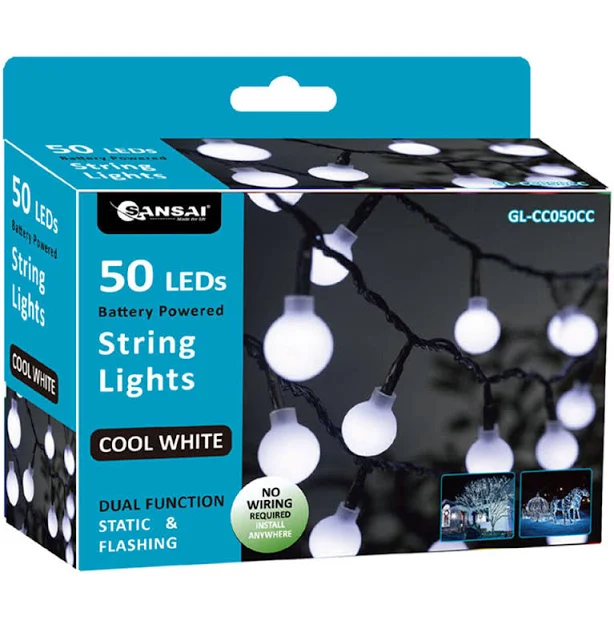
Sansai 100 LED Snowflake String Lights (Cool White)
No reviews yet
From
$24.90
Across 14 retailers

276 products in the catalogue · 244 with prices across 8 retailers from $9 to $620.
No reviews yet
From
$24.90
Across 14 retailers
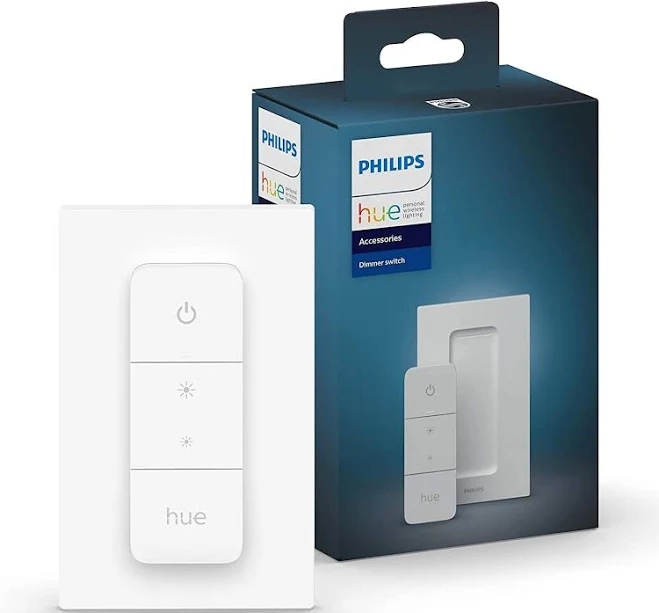
From
$32.00
Across 14 retailers
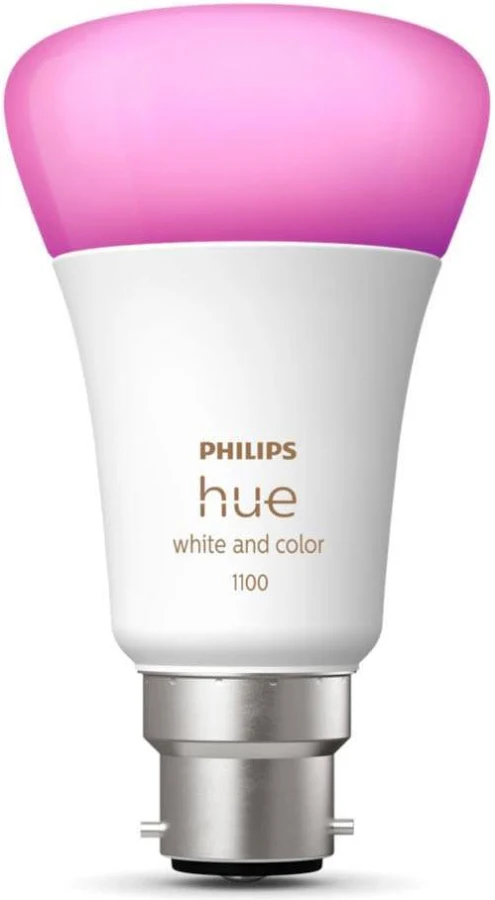
From
$61.00
Across 14 retailers

From
$19.00
Across 13 retailers
No reviews yet
From
$23.95
Across 13 retailers
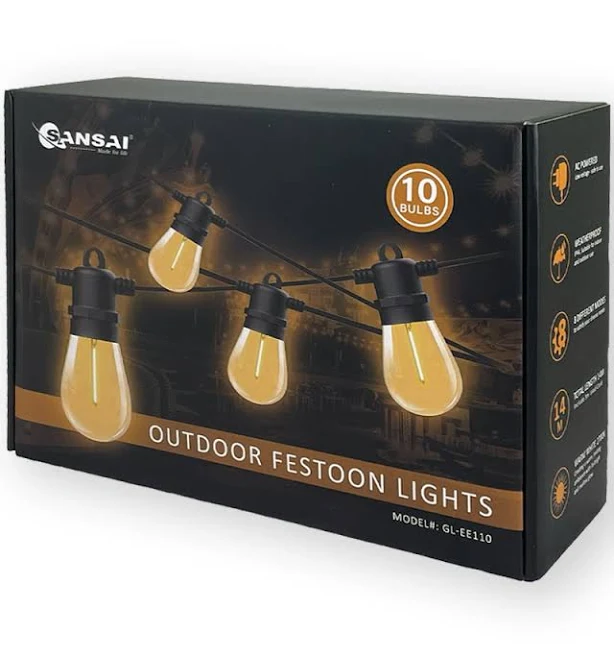
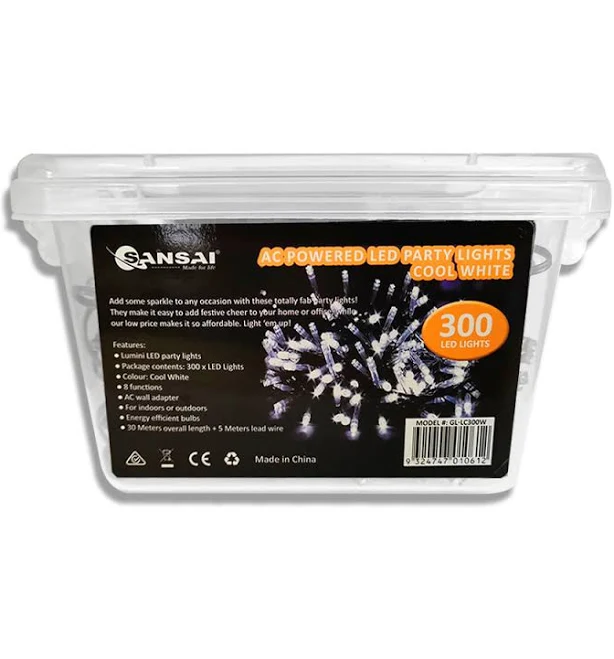
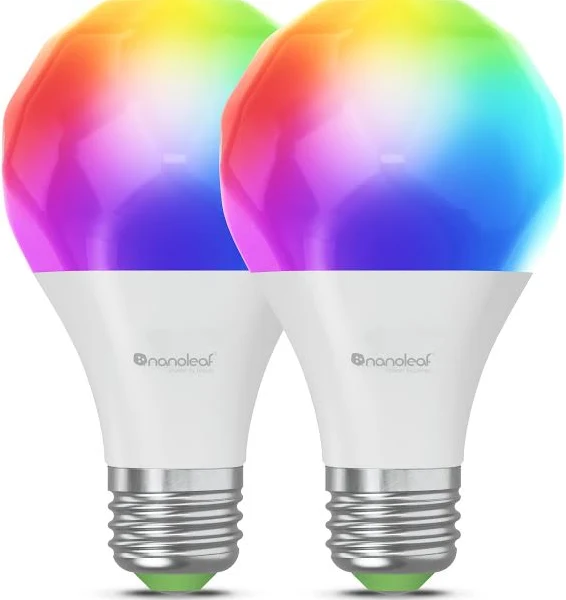
From
$42.49
Across 13 retailers
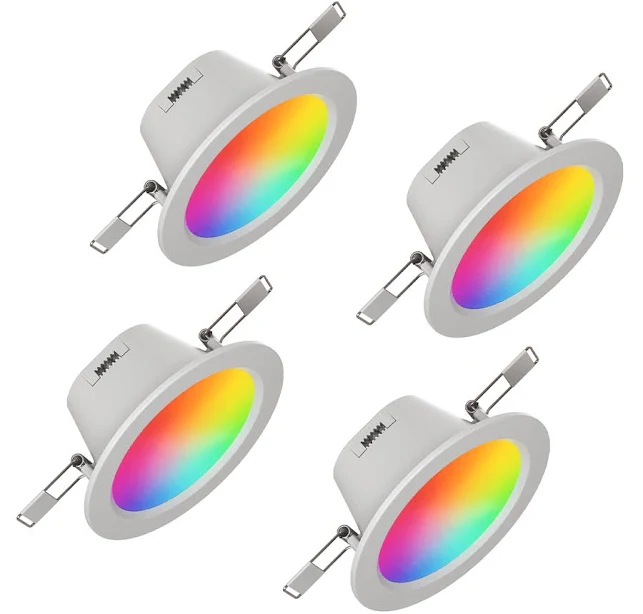
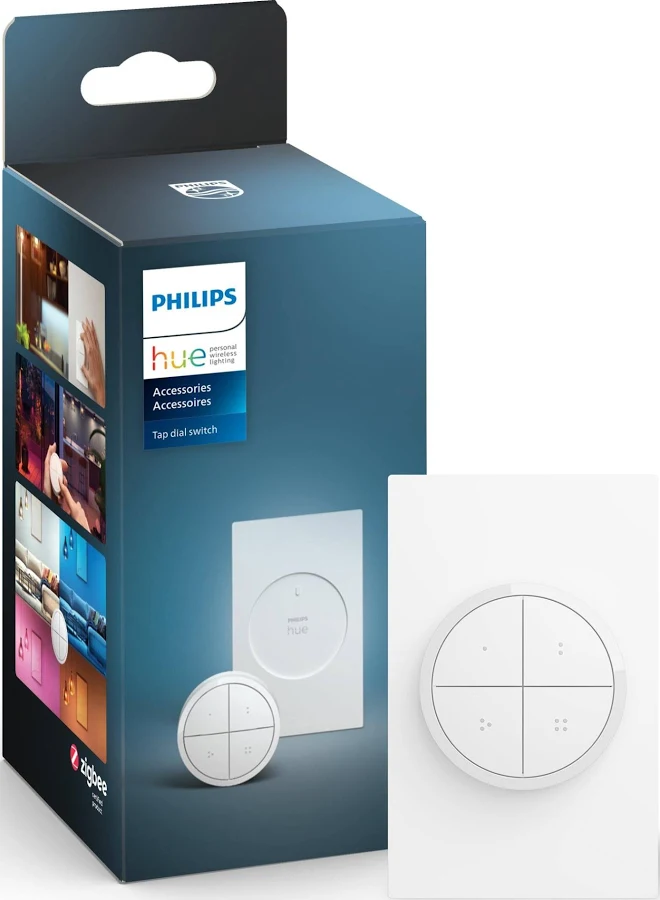
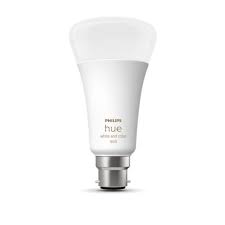
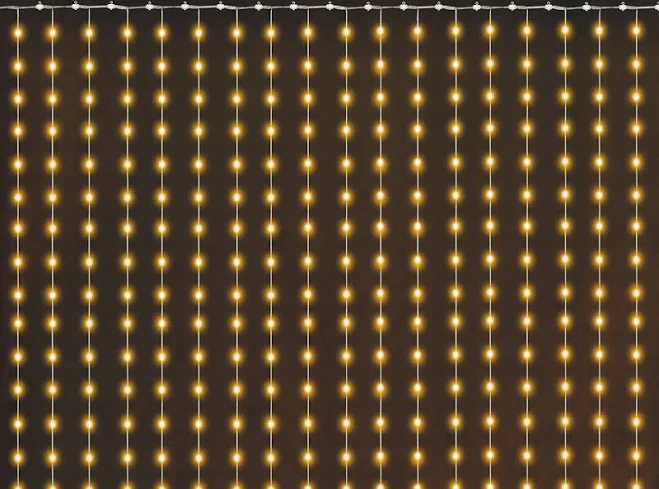
No reviews yet
From
$90.90
Across 13 retailers
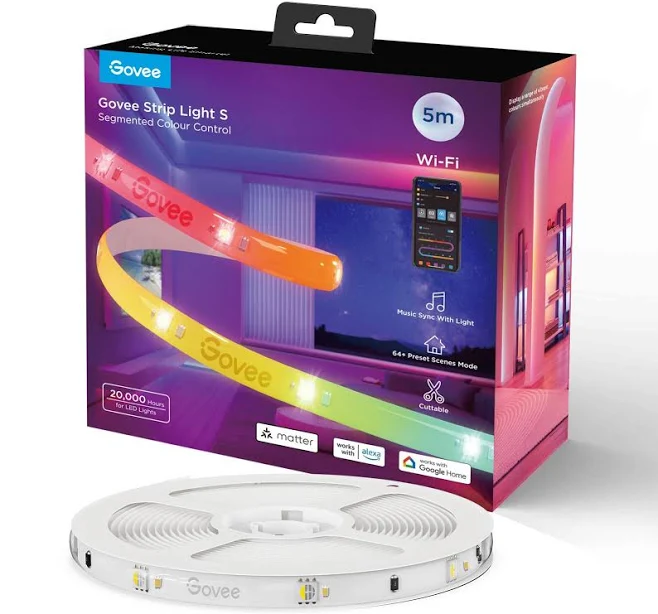
No reviews yet
From
$109.95
Across 13 retailers
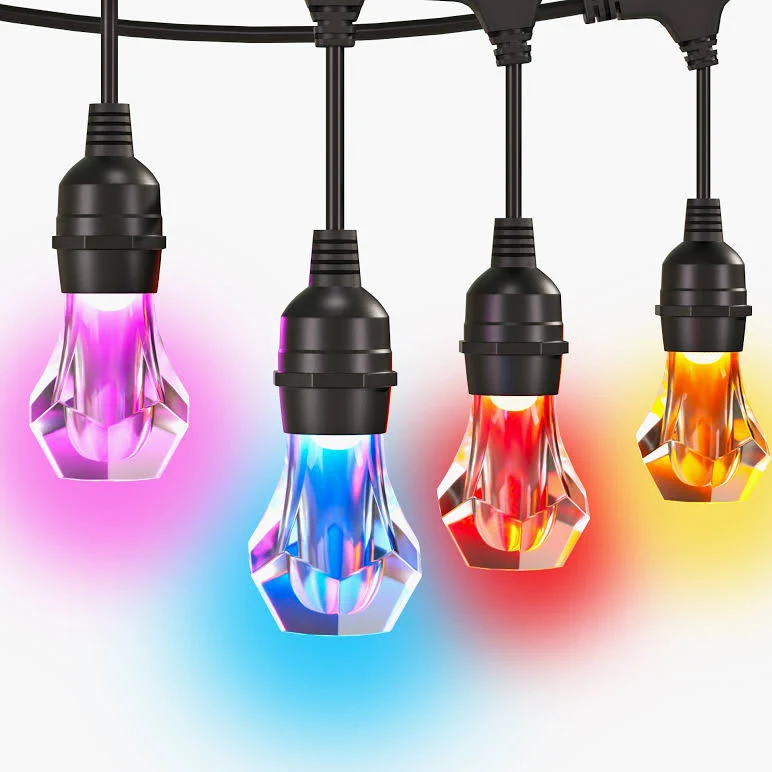
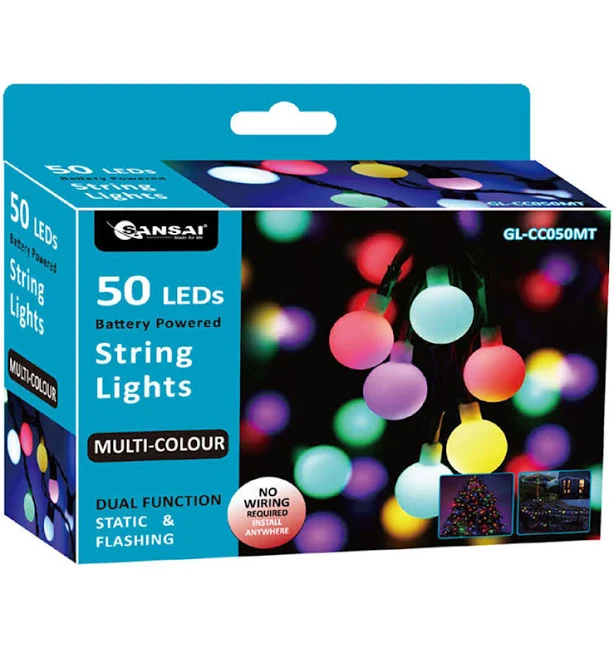
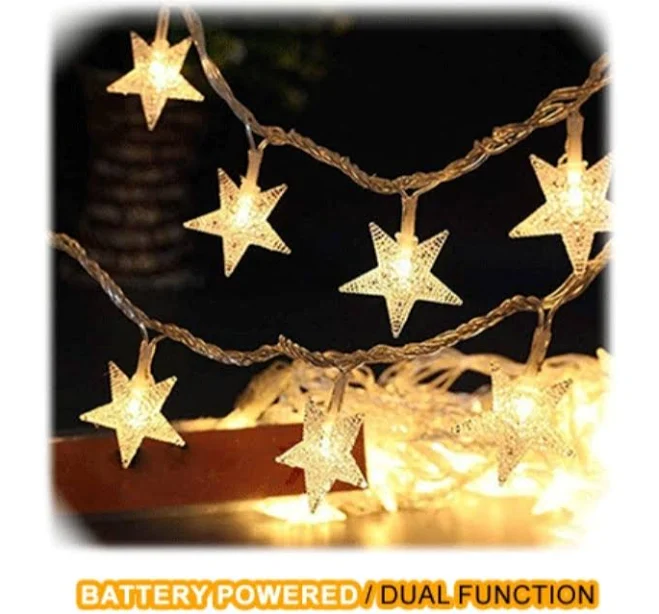
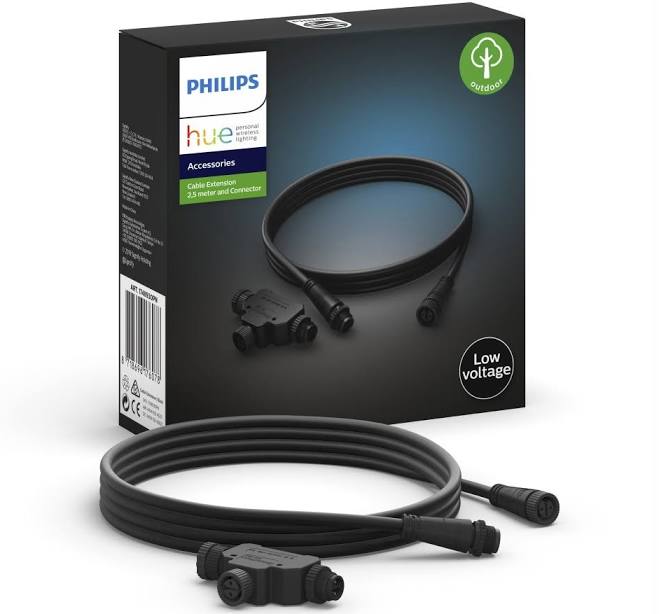
According to the IBISWorld report on Smart Home Device Retailing in Australia, the sector has seen consistent growth as consumers increasingly integrate IoT devices into residential properties. The market size for smart home technology in Australia is estimated to exceed $1.2 billion annually, driven by a rising demand for energy-efficient lighting solutions that integrate with existing home Wi-Fi networks. Australian retail patterns for these devices are highly cyclical, showing significant spikes in consumer interest during the mid-year EOFY sales in June and the massive retail activity observed during the November Black Friday and Cyber Monday period. Additionally, the Australian market exhibits unique seasonal demand, with outdoor smart lighting sales peaking in late spring and early summer as households prepare for outdoor entertaining. Retailers often adjust inventory levels in anticipation of these periods, leading to aggressive price competition. Understanding these seasonal fluctuations is essential for consumers looking to acquire smart lighting systems, as retailers frequently clear older stock or introduce new models during these specific windows to align with consumer spending habits and inventory turnover requirements.
| Retailer | Products tracked | Price range |
|---|---|---|
| JB Hi-Fi | 154 | $9.00 – $499.00 |
| eBay | 108 | $12.90 – $359.10 |
| Kogan.com | 91 | $14.00 – $499.99 |
| Dick Smith AU | 87 | $22.90 – $499.99 |
| BIG W | 76 | $15.00 – $509.15 |
| Woolworths | 74 | $15.00 – $499.99 |
| simply-leds.com.au | 73 | $17.00 – $620.00 |
| Matt Blatt | 61 | $22.90 – $499.99 |
When purchasing smart lighting in Australia, it is critical to ensure all products comply with Australian electrical standards, specifically 230V/50Hz requirements. Always verify the RCM (Regulatory Compliance Mark) on packaging to ensure the device is safe for local use. For outdoor lighting, prioritize products with an IP65 or higher rating to withstand Australia’s harsh UV exposure and varying weather conditions. The most cost-effective times to purchase smart lighting are during major Australian retail events, including the End of Financial Year (EOFY) sales in June, Click Frenzy events in May and November, and the traditional Boxing Day sales in December. When selecting products, consider the connectivity protocol; while Wi-Fi is common, Zigbee or Matter-compatible devices often provide better stability for larger home networks. A common pitfall is purchasing imported smart lights that lack local app support or cloud server reliability in the Australian region. Always check if the device integrates with your preferred ecosystem, such as Google Home, Apple HomeKit, or Amazon Alexa, before committing to a system. Avoid buying uncertified grey-market imports, as these may not be covered by Australian Consumer Law warranties.
Yes, smart bulbs are designed to screw into standard Australian light fittings, such as B22 bayonet or E27 screw bases. However, they must remain powered on at the wall switch to function via your smartphone or voice assistant. If you turn the physical wall switch off, the smart bulb loses its connection to the network and becomes unresponsive. For those who prefer using wall switches, smart light switches or 'smart relays' that sit behind the existing switch plate are a better alternative, though these often require installation by a licensed electrician in Australia.
Most smart lights use LED technology, which is highly energy-efficient compared to traditional incandescent or halogen globes. While smart bulbs consume a tiny amount of power while in 'standby' mode to maintain their Wi-Fi connection, this usage is negligible—typically less than 0.5 watts per bulb. Over a year, the standby power consumption of a standard smart bulb costs only a few dollars at current Australian electricity rates. The primary cost remains the initial purchase price, which is why using a price comparison tool is recommended to find the best value.
Yes, but you must ensure the product is specifically rated for outdoor use. Look for an IP (Ingress Protection) rating of at least IP65, which indicates the unit is protected against dust and water jets. Given Australia's high UV index, plastic casings on cheaper smart lights may degrade or yellow over time. Opting for products with UV-stabilized materials or metal housings is advisable for long-term durability. Always ensure the power supply or transformer is also rated for outdoor use and properly protected from direct exposure to the elements.
It depends on the connectivity protocol of the lights you choose. Wi-Fi-based smart lights connect directly to your home router and do not require a separate hub. However, lights that use Zigbee or Bluetooth Mesh protocols often require a dedicated bridge or hub to communicate with your Wi-Fi network. While hubs add an extra step to the setup, they are often more reliable and responsive than Wi-Fi bulbs, especially if you plan to install a large number of lights throughout your home.
Yes, all smart lighting products purchased from Australian retailers are covered by Australian Consumer Law (ACL). This means that if a product is faulty, not fit for purpose, or does not match the description, you are entitled to a repair, replacement, or refund. This protection applies regardless of any manufacturer's warranty. If you purchase from an overseas website, enforcing these rights can be significantly more difficult, which is why buying from reputable Australian-based retailers is highly recommended for consumer protection.