
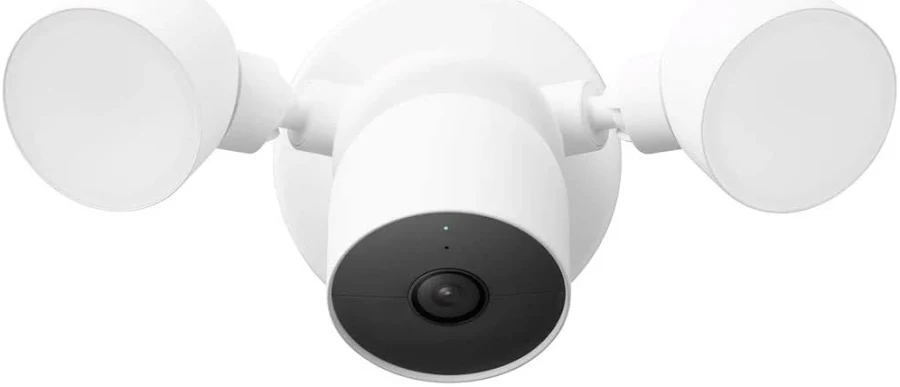
Google Nest Cam Outdoor Floodlight
4.3(1K)
From
$344.56
Across 15 retailers

557 products in the catalogue · 466 with prices across 8 retailers from $13 to $2519.
From
$344.56
Across 15 retailers
From
$21.11
Across 14 retailers
From
$199.00
Across 14 retailers
From
$216.00
Across 14 retailers
From
$224.93
Across 14 retailers
From
$296.91
Across 14 retailers
From
$598.00
Across 14 retailers
From
$23.72
Across 13 retailers
From
$25.14
Across 13 retailers
From
$33.29
Across 13 retailers
From
$39.99
Across 13 retailers
From
$48.21
Across 13 retailers
From
$49.00
Across 13 retailers

From
$79.96
Across 13 retailers
From
$148.00
Across 13 retailers
According to an IBISWorld industry report, the Australian home security market has experienced consistent growth, now valued at approximately $1.2 billion annually. This expansion is driven by increasing consumer adoption of IoT-enabled devices and a rising demand for DIY-installable security solutions that do not require expensive professional monitoring contracts. Market data indicates a strong cyclical pattern in consumer spending, with a significant surge in demand during the final quarter of the year. Retailers often report that sales volume peaks in November and December, coinciding with major promotional periods and the lead-up to the summer holiday season when homeowners are more likely to be away. Furthermore, the integration of smart security with broader home automation ecosystems has become a primary driver for repeat purchases. As Australian households continue to upgrade their connectivity, the market is shifting toward interoperable devices that support standard protocols like Matter, reducing the fragmentation previously seen in the sector. This trend is expected to persist as consumers prioritize systems that offer seamless integration with existing smart speakers and mobile platforms.
| Retailer | Products tracked | Price range |
|---|---|---|
| eBay | 271 | $19.90 – $2519.00 |
| JB Hi-Fi | 229 | $13.05 – $2368.99 |
| BIG W | 187 | $22.69 – $2250.51 |
| Woolworths | 166 | $22.69 – $2029.99 |
| Kogan.com | 159 | $24.99 – $1549.00 |
| Dick Smith AU | 159 | $23.00 – $1989.99 |
| Harvey Norman | 102 | $29.00 – $2125.00 |
| Qantas Marketplace | 82 | $35.00 – $1799.00 |
When purchasing smart security in Australia, timing your acquisition is essential for securing the lowest price. Major retail events such as the End of Financial Year (EOFY) sales in June, Click Frenzy in May and November, and the Black Friday/Cyber Monday period in November offer the deepest discounts. Boxing Day sales in late December also provide opportunities to clear remaining stock. When evaluating hardware, ensure devices comply with Australian electrical standards, specifically the 230V/50Hz power supply. For outdoor cameras, prioritize units with an IP65 or higher ingress protection rating to withstand Australia’s harsh UV exposure and unpredictable weather patterns. A common pitfall for local buyers is neglecting the storage requirements of high-definition video; check whether the device relies on local microSD storage or requires a recurring monthly subscription for cloud-based recording. Additionally, verify that the device’s Wi-Fi frequency is compatible with your home network, as some older models may struggle with 5GHz bands. Always confirm that the manufacturer provides local support or a valid Australian warranty, as grey-market imports may lack the necessary firmware updates or local technical assistance required for reliable operation.
Many smart security cameras offer both subscription-based and local storage options. Subscription services typically provide cloud storage for video history, advanced AI person detection, and extended warranty support. However, many brands now offer models with microSD card slots or NVR compatibility, allowing you to store footage locally without ongoing costs. It is important to check the specific product specifications before purchasing, as some features like facial recognition are often gated behind a monthly fee, even if basic motion alerts remain free.
Yes, DIY smart security systems are legal to install in Australian homes. However, you must comply with privacy laws regarding surveillance. You are generally permitted to record footage on your own property, but you must ensure your cameras do not capture private areas of a neighbour’s property or public spaces in a way that constitutes harassment. It is recommended to position cameras to focus solely on your entry points or driveway to remain compliant with state-based surveillance device legislation.
Most standard smart security devices rely on your home Wi-Fi and mains power, meaning they will stop functioning during a power outage unless they have specific backup features. Some high-end systems include internal battery backups or cellular connectivity (4G/5G) that kicks in when the power or internet fails. If security during outages is a priority, look for cameras with integrated rechargeable batteries and ensure your modem is connected to an Uninterruptible Power Supply (UPS) to maintain your internet connection.
A smart doorbell acts as a two-way communication device and a security camera, allowing you to see and speak to visitors via your smartphone from anywhere. Unlike a traditional peephole, which requires you to be physically present at the door, a smart doorbell sends motion alerts to your phone when someone approaches. They often feature night vision and cloud recording, providing a digital log of visitors, which significantly enhances home security compared to a passive optical peephole.
Integrating different brands is possible but can be complex. If you want a unified experience, look for devices that support common smart home standards like Matter, Apple HomeKit, Google Home, or Amazon Alexa. While many devices can be controlled through a single app like Google Home, they may not share advanced features like shared motion detection or unified storage. Using a single ecosystem often provides a more stable experience, but cross-brand integration is becoming easier with the adoption of universal industry standards.