

Rode SC7 3.5mm TRS to TRRS Patch Cable
4.7(950)
From
$24.56
Across 14 retailers

105 products in the catalogue · 81 with prices across 8 retailers from $4 to $199.
From
$24.56
Across 14 retailers
No reviews yet
From
$107.10
Across 12 retailers
From
$59.25
Across 11 retailers
From
$19.05
Across 10 retailers
No reviews yet
From
$30.00
Across 10 retailers

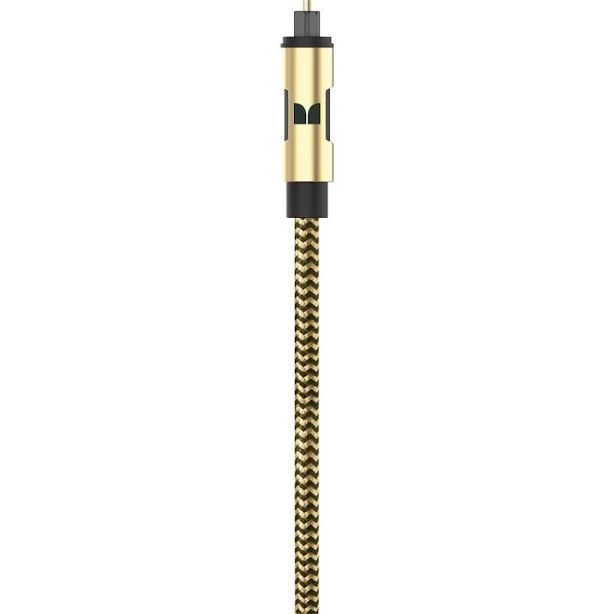
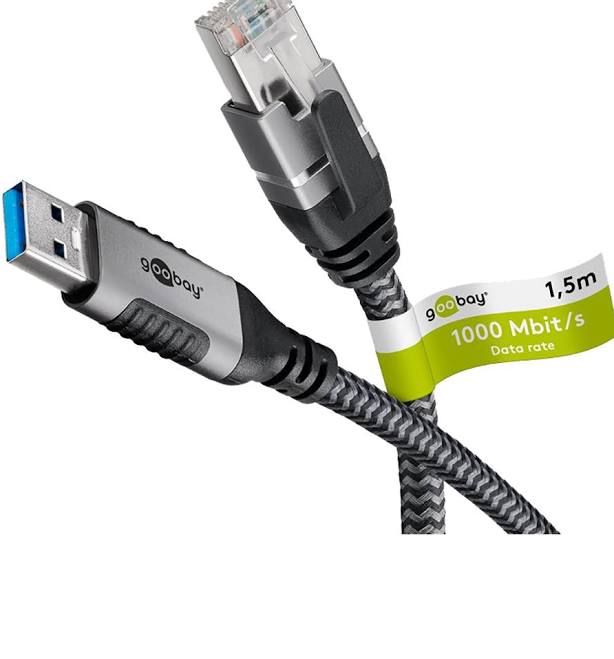
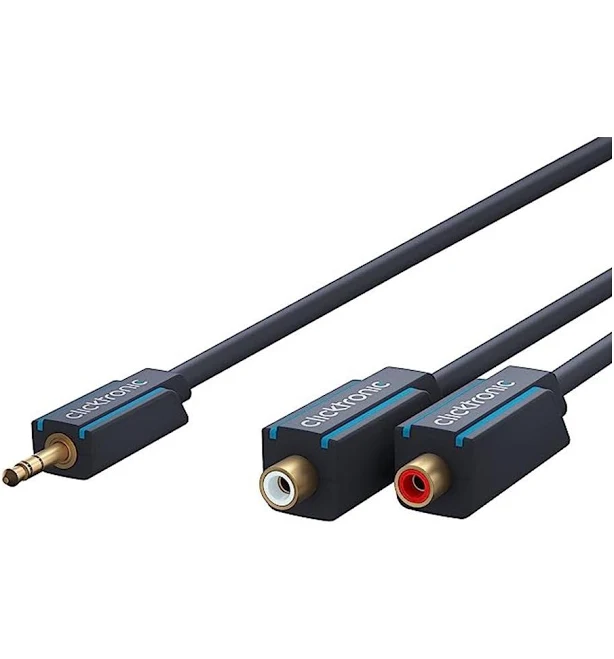
From
$19.96
Across 8 retailers
According to an IBISWorld industry report on electronic goods retailing in Australia, the consumer electronics market continues to see steady demand for peripheral accessories, including audio connectivity solutions. The market size for electronic accessories remains significant, with annual revenue in the sector exceeding $2 billion as Australians upgrade home entertainment systems and professional audio setups. Retail patterns in this category are highly cyclical, heavily influenced by the Australian retail calendar. Sales volume typically peaks during the fourth quarter, driven by the holiday shopping season and the influx of new consumer electronics during the January post-Christmas period. Furthermore, the rise of remote work and home studio recording has sustained demand for high-quality XLR and TRS cables throughout the year. Retailers often adjust their inventory levels in anticipation of these seasonal shifts, with mid-year stock clearances providing opportunities for consumers to purchase essential cabling at lower price points. Understanding these market dynamics allows Australian consumers to better time their purchases, avoiding peak pricing periods while ensuring they have access to the necessary components for their audio hardware configurations.
| Retailer | Products tracked | Price range |
|---|---|---|
| JB Hi-Fi | 47 | $4.00 – $199.00 |
| BIG W | 41 | $6.70 – $169.15 |
| MightyApe.com.au | 30 | $17.00 – $147.20 |
| Woolworths | 27 | $17.00 – $136.00 |
| Dick Smith AU | 25 | $15.76 – $124.90 |
| Techunion | 20 | $3.96 – $85.95 |
| eBay | 20 | $4.95 – $137.90 |
| Kogan.com | 20 | $16.95 – $136.00 |
When purchasing audio cables in Australia, timing your buy around major retail events can yield significant savings. Key periods include the End of Financial Year (EOFY) sales in June, Click Frenzy events in May and November, Black Friday in late November, and the traditional Boxing Day sales in December. When evaluating cables, prioritize build quality over branding; look for gold-plated connectors to prevent corrosion, which is particularly important in Australia’s humid coastal climates. Shielding is critical to prevent electromagnetic interference (EMI) and radio frequency interference (RFI), especially in setups with multiple power cables nearby. Ensure your cables meet Australian safety standards; while audio cables carry low voltage, low-quality insulation can degrade over time. A common pitfall is purchasing excessively long cables, which can lead to signal loss and increased noise floor; always choose the shortest length that comfortably reaches your equipment. Check that your connectors match your hardware—such as 3.5mm TRS for consumer devices versus XLR for professional audio—to avoid needing unnecessary adapters that can introduce connection instability or audio degradation.
Balanced cables, such as XLR or TRS, use three wires to carry the signal, which helps cancel out noise and interference over long distances. Unbalanced cables, like standard RCA or 3.5mm jacks, use only two wires and are more susceptible to interference. In an Australian home setup, unbalanced cables are usually sufficient for short runs between a TV and speakers. However, for professional recording or live sound environments where cables exceed three to five metres, balanced cables are essential to maintain clear audio quality and prevent hum.
Gold plating does not inherently change the electrical signal or improve sound quality compared to high-quality nickel or copper connectors. Instead, the primary benefit of gold plating is its resistance to oxidation and corrosion. In the Australian climate, where humidity levels can vary significantly, gold-plated connectors help maintain a reliable electrical contact over many years. While they provide better longevity and prevent the buildup of surface resistance, they will not fix underlying issues with poor cable shielding or low-quality internal wiring.
For most home audio applications, mid-range cables with adequate shielding and solid construction are sufficient. Extremely expensive 'audiophile' cables often provide diminishing returns, as the difference in signal transmission is negligible for standard consumer speakers. It is generally more cost-effective to invest in high-quality speakers or amplifiers rather than ultra-premium cabling. However, avoid the cheapest 'bargain bin' cables, as these often lack proper shielding and strain relief, leading to frequent connection failures and unwanted noise, which can be frustrating to troubleshoot in your home entertainment system.
Interference often manifests as a persistent buzzing, humming, or static noise coming from your speakers. To test if your cable is the culprit, try swapping it with a known working cable of the same type. If the noise disappears, the original cable likely has poor shielding or a broken internal ground connection. Additionally, ensure your audio cables are not running parallel to power cords, as the electromagnetic field from power cables can induce noise into the audio signal. Crossing cables at 90-degree angles can help minimize this interference.
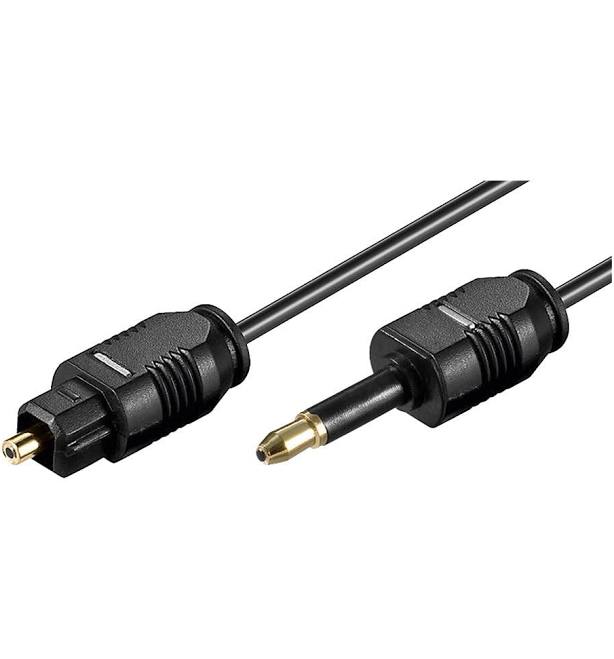
You must use the correct cable type for your specific hardware ports. For example, an optical (Toslink) cable is required for digital audio transmission, while RCA cables are used for analogue signals. Always check the input and output labels on your devices. Furthermore, ensure the cable length is appropriate for your room layout. Using a cable that is too long can lead to signal degradation and cable clutter. Always verify that the connectors fit snugly into your devices, as loose connections are a common cause of intermittent audio dropouts.