

- Category
- Power Banks
- Country
- Australia
- Catalogue products
- 111
- Products with prices
- 80
- Retailer count
- 8
- Min price (AUD)
- $27.99
- Max price (AUD)
- $819.00
Power Banks in Australia
111 products in the catalogue · 80 with prices across 8 retailers from $28 to $819.
Power banks in Australia typically range from $20 for entry-level models to over $250 for high-capacity portable charging stations. Whether you are looking for a pocket-sized charger for daily commuting or a rugged, high-capacity unit for camping trips, the sheer volume of options can make finding the right price a challenge. Capacity is usually measured in milliampere-hours (mAh), with common options ranging from 5,000mAh for a single phone charge to 30,000mAh for multiple devices. Choosing the right power bank requires balancing portability with your specific energy needs, as heavier units often house larger lithium-ion cells. At WhatsCheap, we simplify this process by aggregating real-time pricing data from across the country. We provide comprehensive price comparison tools and historical price tracking, ensuring you can identify genuine discounts and avoid inflated retail markups. By monitoring price fluctuations over time, our platform empowers you to make informed purchasing decisions, helping you secure the best possible value on your next portable power purchase.Read power bank buying guideHide power bank buying guide
Top Power Banks Products
View All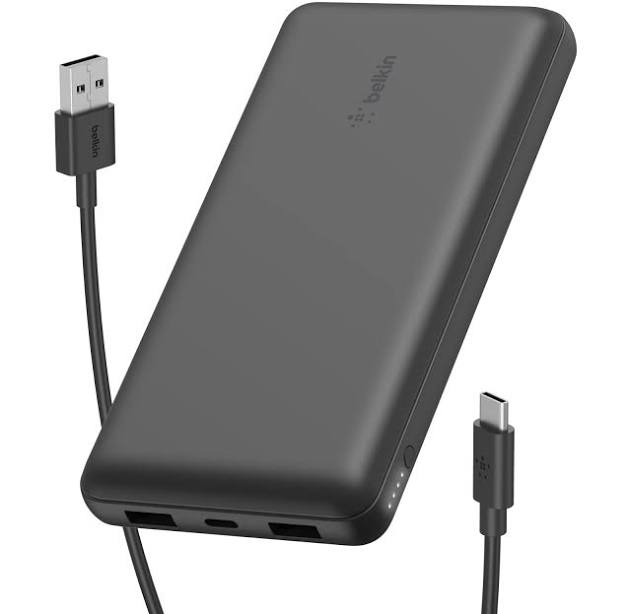
Hot-44%
Belkin BoostUp Charge 15W 20K USB-C Power Bank 20K
4.4(939)
From
$51.68
Across 12 retailers


Belkin BoostCharge 32W PPS 4-Port Power Bank 26K
4.6(97)
From
$52.00
Across 12 retailers

Belkin BOOSTCHARGE Power Bank 20K 15W
4.4(818)
From
$56.00
Across 12 retailers
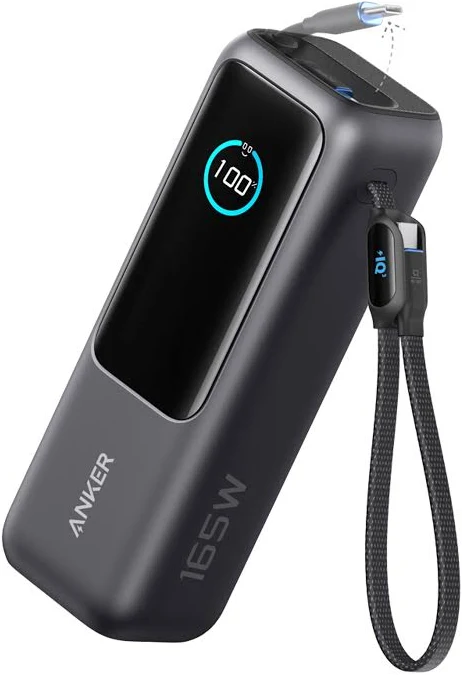


Sharge 140 Power Bank - Capacity 20000mAh - Black Version
4.7(48)
From
$126.43
Across 11 retailers
Hot-44%
Belkin BoostCharge Power Bank 10K Black
4.5(1K)
From
$33.37
Across 10 retailers

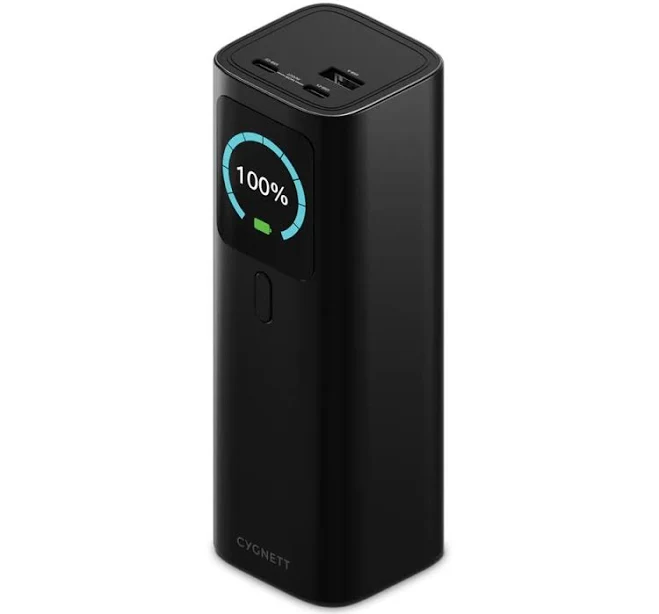
Cygnett 27K Laptop Power Bank (148W) with Case (Black)
4.8(20)
From
$159.96
Across 10 retailers
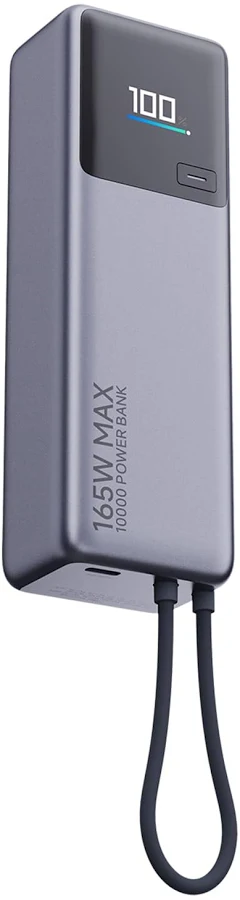
Xiaomi Power Bank 10000mAh
4.7(114)
From
$59.50
Across 9 retailers

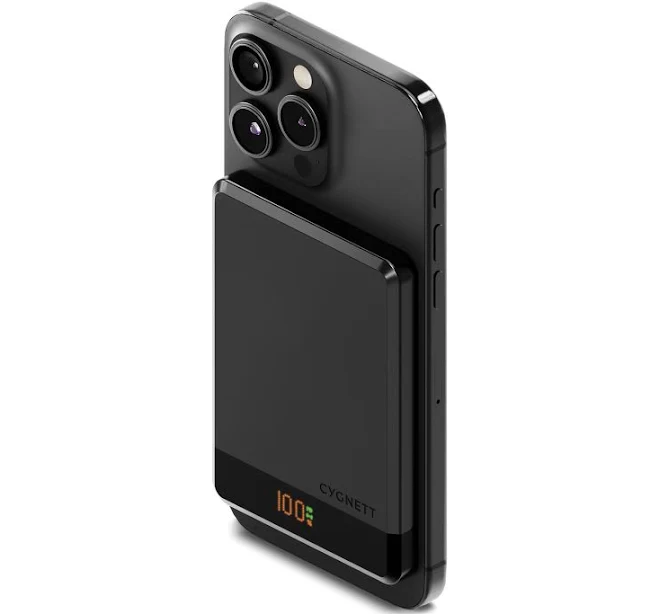
Cygnett MagSlim 5K Power Bank - Black
4.4(50)
From
$49.00
Across 8 retailers

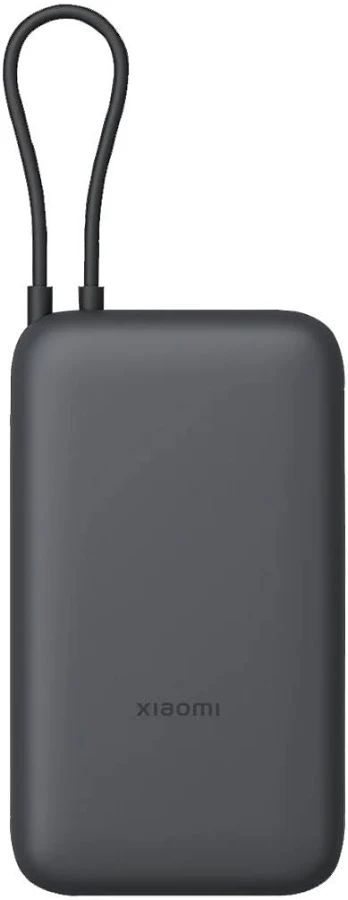
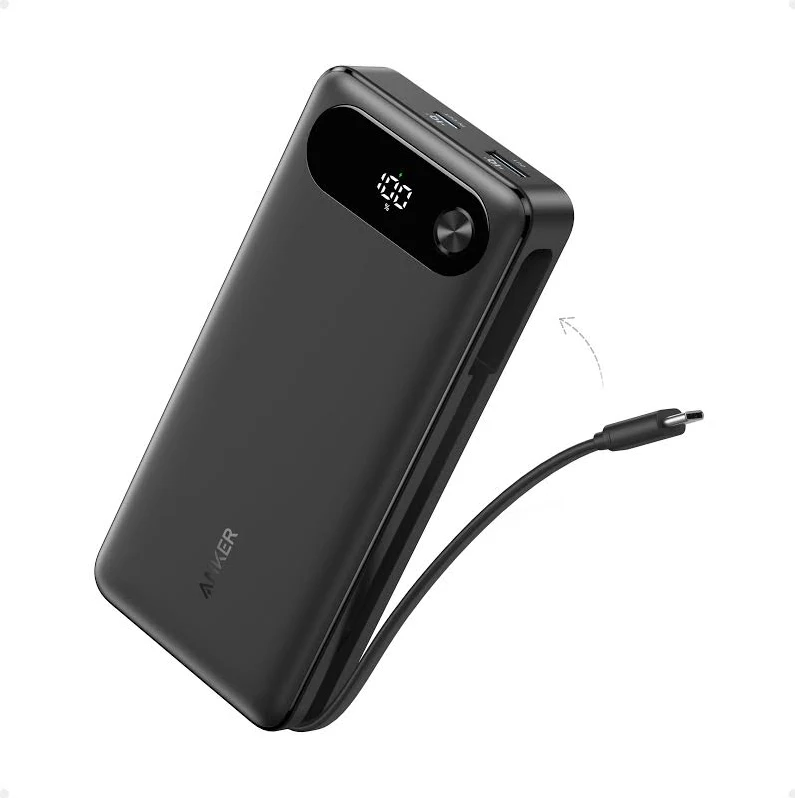


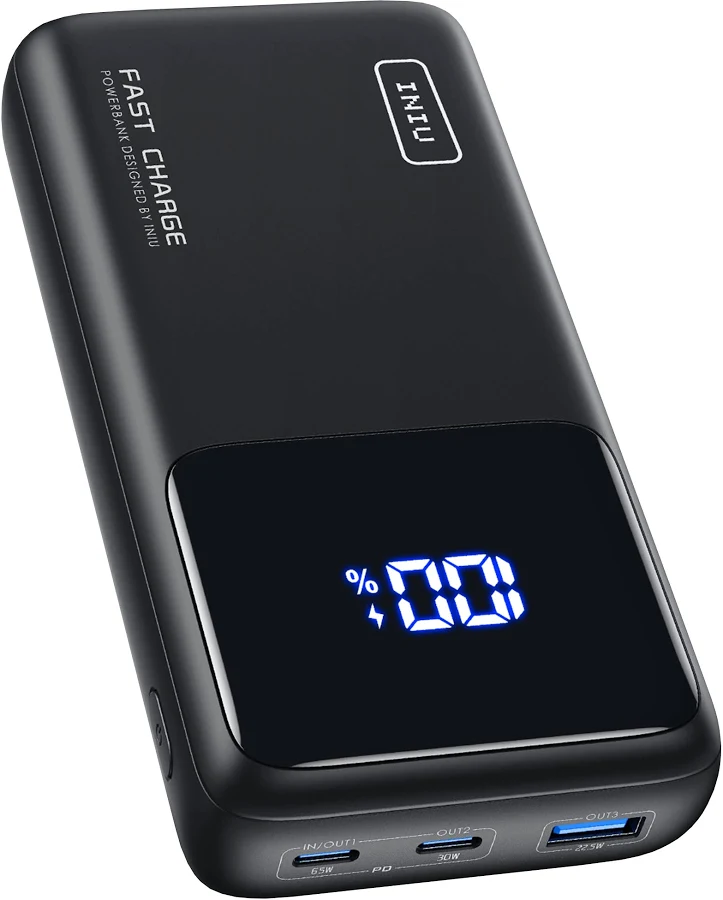
INIU Power Bank, USB C 22.5W 20000mAh Portable Charger PD3.0 QC4.0, Fast Charge LED Display Battery Pack Battery Pack with Flashlight for iPhone 15 14 13 12 Pro X Samsung S22 S21 Google LG iPad Tablet
4.8(7K)
From
$46.16
Across 5 retailers


Australian Market Context
According to the IBISWorld report on electronic goods retailing in Australia, the market for mobile accessories remains a high-growth segment, with annual revenue exceeding $2 billion as consumers increasingly rely on mobile devices for daily tasks. The demand for power banks is heavily influenced by the Australian lifestyle, which prioritizes outdoor activities and travel, driving consistent sales throughout the year. Retailers observe distinct cyclical patterns in this category, with significant spikes in volume during the lead-up to the summer holiday season and the back-to-school period in January. Furthermore, the shift toward remote work and flexible office arrangements has sustained demand for high-capacity power solutions that support laptops and tablets. Market data indicates that consumers are increasingly moving away from budget, low-capacity chargers in favor of units that support Power Delivery (PD) and fast-charging protocols. As energy efficiency standards evolve, retailers are also seeing a push toward more durable, long-lasting battery chemistries. This competitive landscape forces frequent price adjustments, making it essential for Australian consumers to monitor market shifts to avoid paying premium prices during non-promotional periods.
Where to Buy Power Banks — Price Comparison
| Retailer | Products tracked | Price range |
|---|---|---|
| Amazon AU | 32 | $28.49 – $209.96 |
| eBay | 25 | $27.99 – $819.00 |
| JB Hi-Fi | 25 | $41.95 – $199.95 |
| Woolworths | 13 | $41.65 – $289.00 |
| BIG W | 13 | $43.50 – $197.30 |
| The Good Guys | 11 | $44.00 – $199.00 |
| Harvey Norman | 10 | $38.00 – $199.00 |
| Kogan.com | 6 | $43.50 – $159.00 |
Buying Power Banks in Australia: What to Know
When purchasing a power bank in Australia, timing your buy is critical to securing the lowest price. Major retail events such as the End of Financial Year (EOFY) sales in June, Click Frenzy in May and November, Black Friday in late November, and Boxing Day sales in December offer the most significant discounts. When evaluating specs, prioritize the mAh rating and the output wattage. For modern smartphones, look for at least 18W to 30W output to enable fast charging. Ensure the device complies with Australian safety standards, particularly regarding lithium-ion battery safety and thermal management. A common pitfall is ignoring the physical weight; a 20,000mAh bank is significantly heavier than a 5,000mAh unit, which may impact portability. Additionally, consider the climate; extreme Australian heat can degrade battery health, so look for units with built-in temperature protection. Always verify if the power bank supports the specific charging protocols of your devices, such as USB-C Power Delivery. Avoid purchasing unbranded, ultra-cheap imports from non-reputable sources, as these often lack the necessary safety certifications required for use with the Australian 230V/50Hz electrical grid infrastructure.
Common Questions
What is the best power bank capacity for travel in Australia?
For domestic travel, a 10,000mAh power bank is generally the sweet spot, offering enough energy to charge most smartphones twice while remaining lightweight. If you are planning a long-haul flight or remote camping, a 20,000mAh unit is recommended. Note that airlines have strict regulations; most allow power banks up to 100Wh (roughly 27,000mAh) in carry-on luggage, but they are strictly prohibited in checked baggage due to fire risks. Always check your specific airline's policy before flying.
Are power banks sold in Australia required to meet specific safety standards?
Yes, all electrical products sold in Australia must comply with the Electrical Equipment Safety System (EESS) and relevant Australian Standards. While power banks are not always subject to the same mandatory certification as mains-powered appliances, reputable retailers ensure products meet IEC 62133 standards for lithium-ion battery safety. Buying from established Australian retailers provides a layer of protection, as these companies are legally obligated to ensure the products they stock do not pose a fire or explosion risk to consumers.
How do I know if a power bank will fast-charge my phone?
To ensure fast charging, check that the power bank supports Power Delivery (PD) or Quick Charge (QC) protocols. Your phone must also be compatible with these standards. Look for a power bank with an output of at least 18W for standard fast charging, or 30W to 65W if you intend to charge a laptop. If the power bank and your device do not share the same protocol, the device will default to a standard, slower charging speed, regardless of the bank's total capacity.
Why does my power bank lose charge when not in use?
All lithium-ion batteries experience 'self-discharge,' a natural chemical process where the battery loses a small percentage of its stored energy over time, even when disconnected. This is accelerated by high temperatures, which are common in many parts of Australia. To minimize this, store your power bank in a cool, dry place and aim to keep it charged at around 50% if you are not planning to use it for an extended period, as this helps preserve the long-term health of the cells.
Can I use a power bank to charge my laptop?
Yes, but only if the power bank is specifically designed for high-output charging. You need a model that supports USB-C Power Delivery (PD) with an output wattage matching or exceeding your laptop's requirements, typically 45W or higher. Check your laptop's original power adapter to see its wattage. Many standard phone power banks will not provide enough power to charge a laptop, and some may not even be recognized by the laptop's charging circuitry, resulting in no power transfer at all.