

- Category
- Display Cables
- Country
- Australia
- Catalogue products
- 36
- Products with prices
- 25
- Retailer count
- 8
- Min price (AUD)
- $4.00
- Max price (AUD)
- $45.00
Display Cables in Australia
36 products in the catalogue · 25 with prices across 8 retailers from $4 to $45.
Display cables in Australia typically range from $10 for basic HDMI leads to over $250 for high-end, long-distance optical fiber solutions. Major Australian retailers including JB Hi-Fi, Officeworks, and Umart stock a wide variety of these essential connectivity components. Whether you are setting up a home office, a professional gaming rig, or a commercial AV installation, the sheer volume of options can make finding the right price difficult. Our platform simplifies this by aggregating real-time pricing data and providing comprehensive price history charts, allowing you to see if a current deal is genuinely discounted or simply a temporary price fluctuation. By comparing current market rates against historical trends, we help you avoid overpaying for standard cables, ensuring you get the best value for your setup. Our goal is to provide transparency in the Australian tech market, helping you identify when prices are at their lowest point before you commit to a purchase.Read display cable buying guideHide display cable buying guide
Top Display Cables Products
View All


XCD Essentials 4m Male to Male RCA Cable V2
No reviews yet
From
$12.95
Across 1 retailer


XCD Essentials 4m 2 Male to 2 Male RCA Cables V2
No reviews yet
From
$14.95
Across 1 retailer


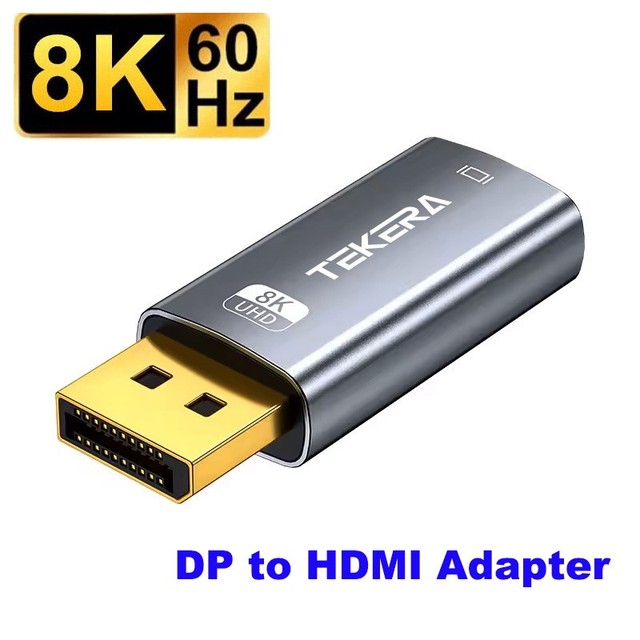

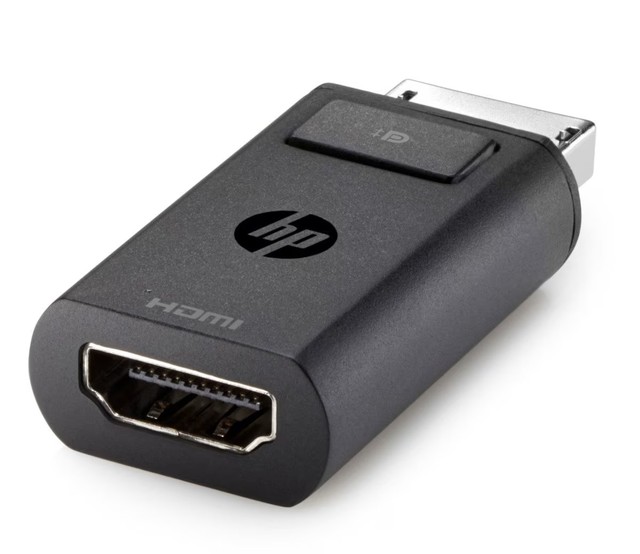
HP DisplayPort to HDMI 1.4 Adapter
No reviews yet
From
$23.00
Across 1 retailer


Australian Market Context
According to the IBISWorld report on Computer and Software Retailing in Australia, the industry generates billions in annual revenue, with peripheral hardware like display cables serving as a high-volume, essential category. The market for connectivity hardware is heavily influenced by the lifecycle of computing equipment, with significant spikes in demand coinciding with the back-to-school season in January and February. Retailers often see cyclical patterns where cable sales correlate with the release of new gaming consoles and high-refresh-rate monitors. Furthermore, the Australian retail sector experiences a distinct surge in peripheral sales during the mid-year EOFY period, as businesses upgrade office infrastructure to leverage tax deductions. This seasonal behavior is supported by data from the Australian Retailers Association, which highlights that consumers increasingly research hardware specifications online before visiting physical stores. As display technologies shift toward 4K and 8K resolutions, the market has seen a steady transition from legacy VGA and DVI cables to high-bandwidth HDMI 2.1 and DisplayPort 2.1 standards, driving consistent replacement cycles across both residential and commercial sectors in Australia.
Where to Buy Display Cables — Price Comparison
| Retailer | Products tracked | Price range |
|---|---|---|
| JB Hi-Fi | 21 | $6.95 – $45.00 |
| eBay | 6 | $5.79 – $35.00 |
| Dick Smith AU | 4 | $16.33 – $28.95 |
| BIG W | 3 | $4.00 – $23.00 |
| bourneelectronics.com.au | 2 | $13.95 – $15.13 |
| Woolworths | 2 | $4.00 – $23.00 |
| MightyApe.com.au | 2 | $23.00 – $28.95 |
| Woolworths Gift Cards | 2 | $21.00 – $23.00 |
Buying Display Cables in Australia: What to Know
When purchasing display cables, timing your acquisition can lead to significant savings. Australian consumers should target major sales events such as the EOFY sales in June, Click Frenzy in May and November, Black Friday in late November, and the traditional Boxing Day sales in December. When selecting a cable, focus on the technical specifications rather than the branding. For HDMI, ensure the cable is 'Ultra High Speed' certified if you require 48Gbps bandwidth for 4K at 120Hz. For DisplayPort, check the version number; version 1.4 is generally sufficient for most high-end monitors, while 2.1 is reserved for future-proofing. A common pitfall is purchasing cables that are excessively long; signal degradation can occur in passive copper cables over 5 meters, so consider active optical cables for longer runs. In the Australian climate, ensure your cables are rated for standard indoor temperatures, as extreme heat can degrade lower-quality PVC jackets over time. Always verify that the cable supports the specific resolution and refresh rate of your monitor and graphics card, as older cables may physically fit but fail to transmit the required data throughput, leading to black screens or flickering.
Common Questions
What is the difference between HDMI and DisplayPort for gaming in Australia?
HDMI is the standard for televisions and consoles like the PlayStation 5 or Xbox Series X, supporting features like eARC for audio. DisplayPort is the preferred standard for PC gaming monitors, offering superior support for multi-monitor setups and G-Sync or FreeSync adaptive refresh rate technologies. In Australia, most gaming monitors come with a DisplayPort cable included, but if you are connecting a PC to a 4K TV, you will likely need a high-bandwidth HDMI 2.1 cable to achieve 120Hz refresh rates.
Do I need an expensive gold-plated cable for my monitor?
No, gold plating is largely a marketing feature that provides minimal benefit for digital signals. Digital cables like HDMI and DisplayPort transmit data as binary code (1s and 0s). The signal either arrives correctly or it does not. Gold plating is intended to prevent corrosion in humid environments, but for standard indoor use in Australia, a high-quality copper cable with proper shielding is far more important for signal integrity than the color of the connector pins.
How long can a display cable be before the signal drops?
For passive HDMI or DisplayPort cables, the reliable limit is typically around 3 to 5 meters. Beyond this length, signal attenuation occurs, which can cause flickering, resolution drops, or a complete loss of signal. If you need to run a cable across a room in an Australian home or office, look for 'Active' cables or 'Optical' display cables. These contain signal boosters or fiber optics that allow for lengths of 10 meters or more without any loss in image quality.
Are all HDMI cables the same?
Not all HDMI cables are the same. They are categorized by their bandwidth capacity. Older 'Standard' or 'High Speed' cables may not support modern features like 4K resolution at 60Hz or HDR (High Dynamic Range). To ensure compatibility with modern Australian electronics, look for cables labeled 'Ultra High Speed' or 'HDMI 2.1'. These are tested to handle 48Gbps, which is necessary for high-resolution gaming and high-frame-rate video content.
Where can I find the best prices for display cables in Australia?
The best prices are found by comparing major tech retailers online rather than buying in-store at the recommended retail price. Websites like ours track price fluctuations across Australian retailers, allowing you to see if a cable is currently on sale. It is often cheaper to purchase cables from online-only tech specialists rather than generalist department stores. Always check the price history to ensure you are not buying during a temporary 'sale' that is actually the standard market price.