
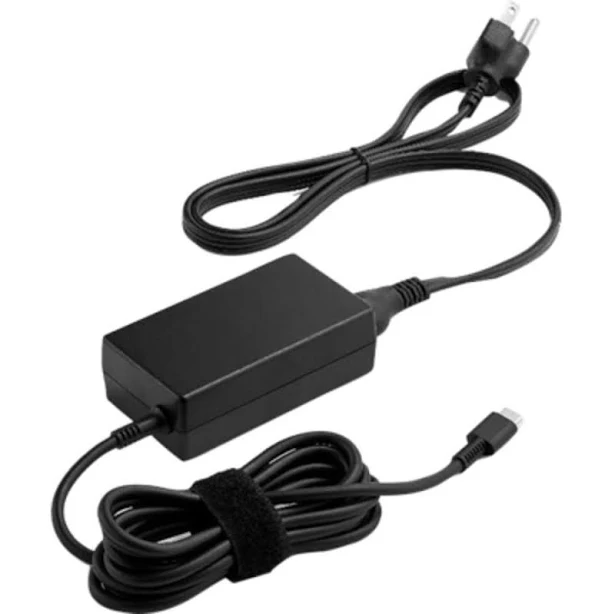
HP 65W USB-C Laptop Charger
4.2(19)
From
$35.00
Across 21 retailers

34 products in the catalogue · 32 with prices across 8 retailers from $15 to $249.
From
$35.00
Across 21 retailers
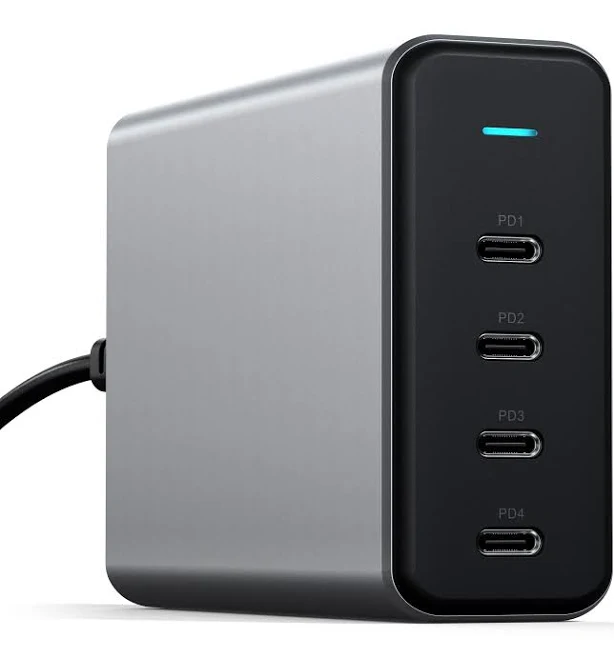
From
$159.99
Across 14 retailers

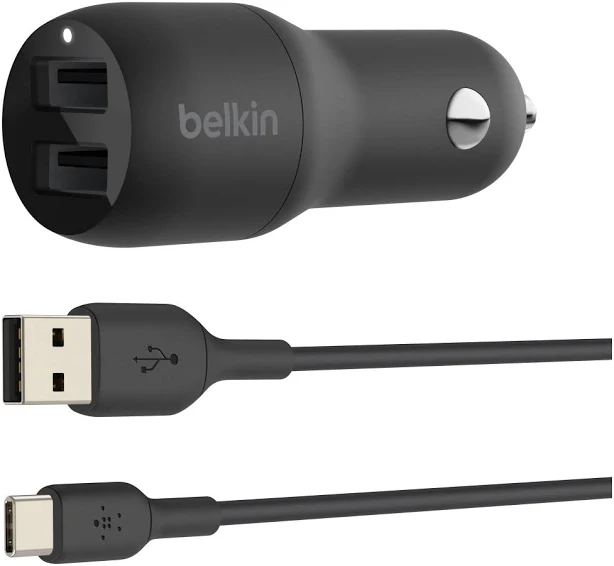
From
$23.00
Across 13 retailers
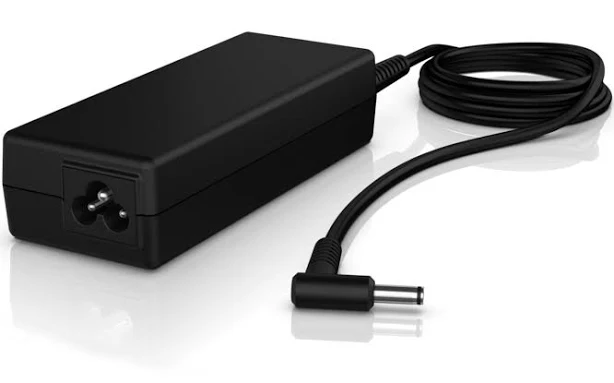
From
$49.99
Across 13 retailers
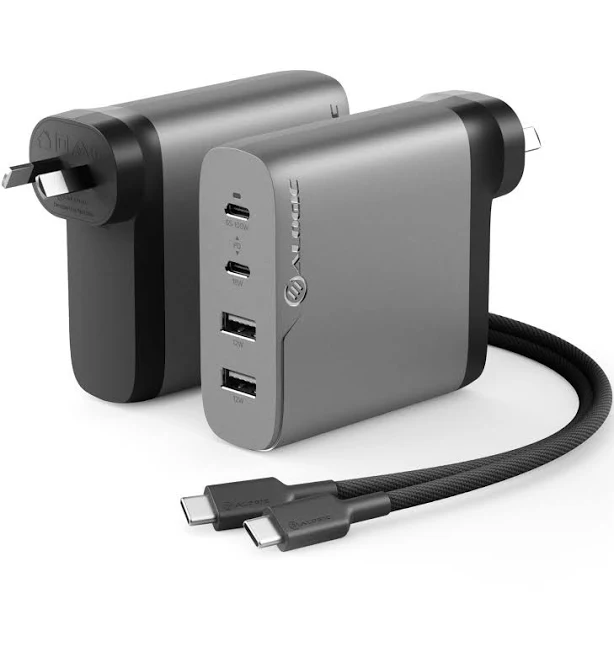
From
$14.95
Across 12 retailers
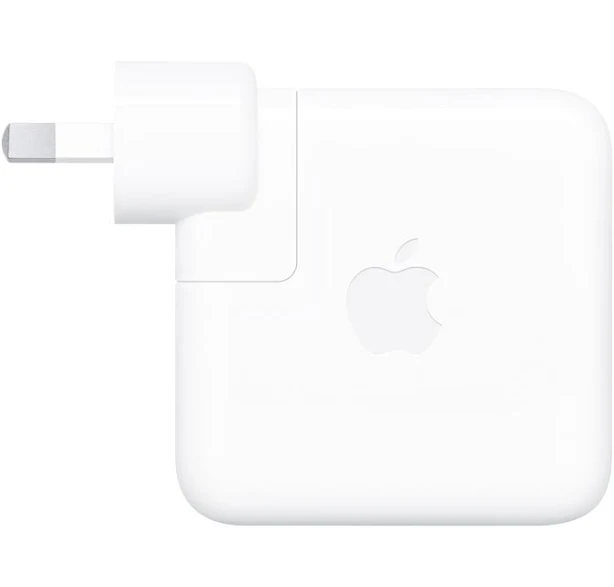
From
$54.90
Across 12 retailers
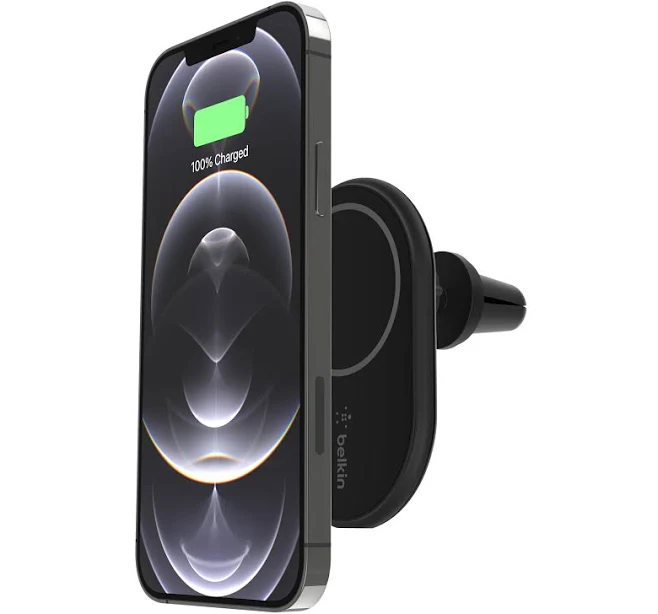
From
$55.30
Across 12 retailers
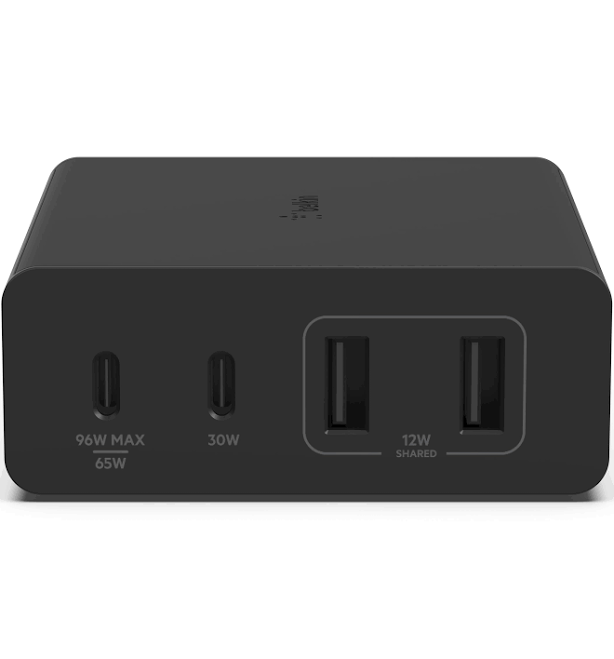
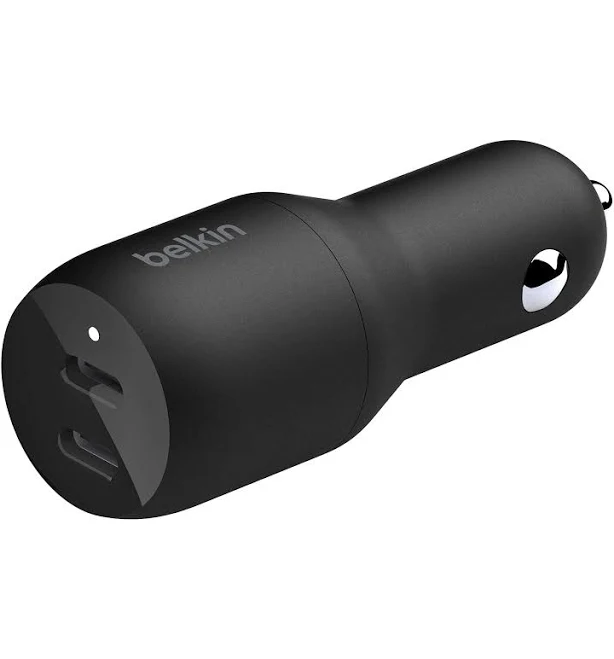
From
$32.14
Across 11 retailers
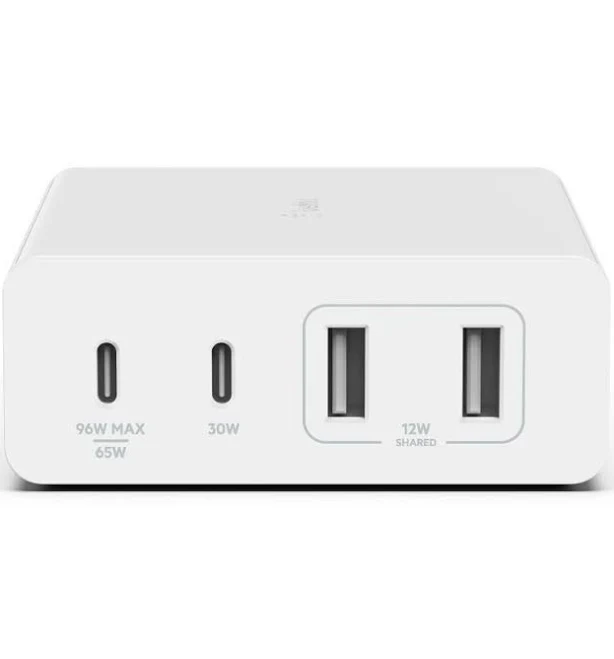
From
$65.00
Across 11 retailers
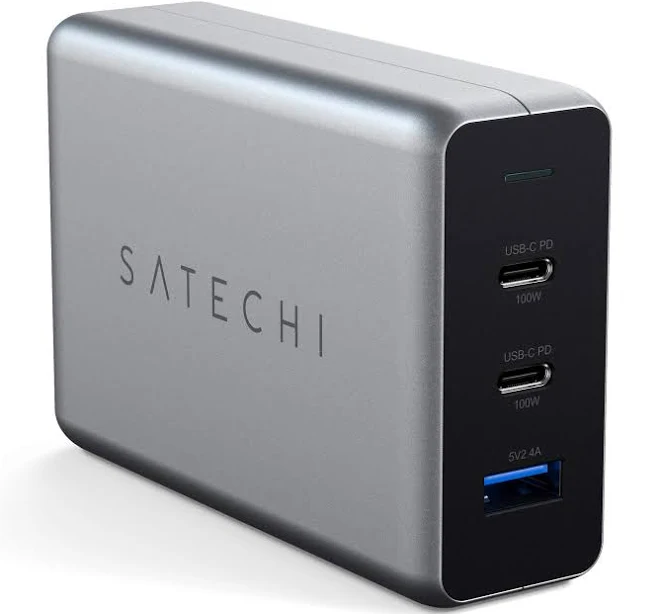
From
$90.80
Across 11 retailers
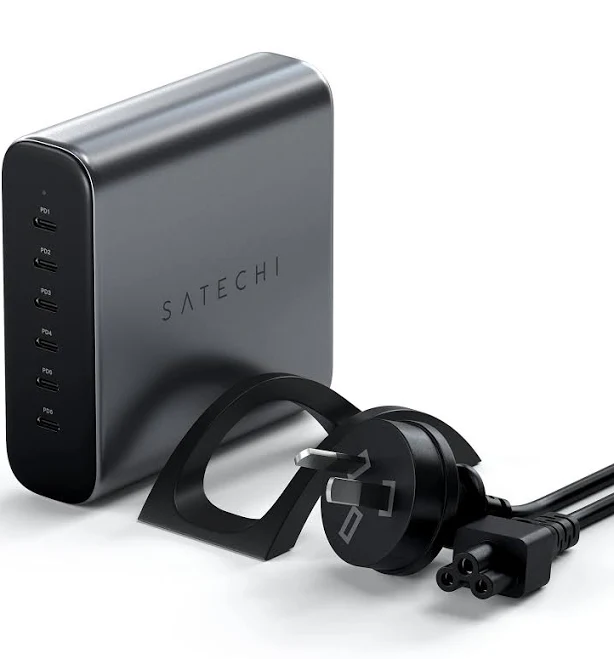
From
$176.48
Across 11 retailers
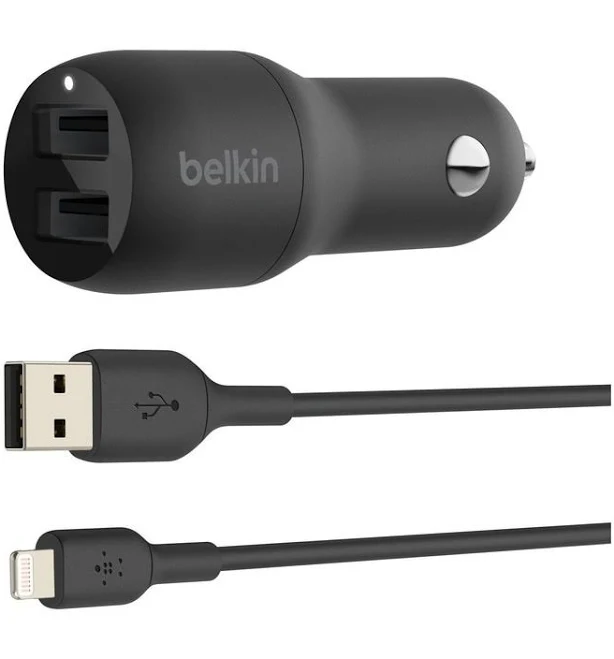
From
$12.00
Across 10 retailers
From
$16.99
Across 10 retailers
According to an IBISWorld industry report on electronic accessory retailing in Australia, the market for mobile device peripherals remains robust, with annual revenue exceeding $2 billion. This segment is driven by the high penetration of smartphones and the increasing demand for high-wattage charging solutions that support rapid power delivery for modern handsets and tablets. The Australian market exhibits distinct seasonal patterns, with consumer spending on electronic accessories peaking during the fourth quarter. This surge is largely attributed to the holiday shopping season and the influx of new device purchases following major product releases. Conversely, the first quarter often sees a contraction in retail volume as consumer discretionary spending shifts following the festive period. Retailers frequently adjust inventory levels and promotional strategies to align with these cyclical fluctuations, often clearing older stock during mid-year events. The shift toward USB-C standardisation across both Android and Apple ecosystems has further influenced market volume, as consumers replace legacy micro-USB and Lightning-based chargers with more versatile, high-output alternatives that meet current Australian safety and efficiency standards.
| Retailer | Products tracked | Price range |
|---|---|---|
| JB Hi-Fi | 23 | $24.95 – $249.00 |
| eBay | 21 | $16.99 – $249.00 |
| BIG W | 20 | $14.95 – $249.00 |
| Woolworths | 16 | $24.95 – $249.00 |
| Dick Smith AU | 16 | $23.50 – $172.85 |
| Harvey Norman | 15 | $24.95 – $199.00 |
| digiDirect Australia | 13 | $24.00 – $199.00 |
| Kogan.com | 11 | $23.50 – $172.85 |
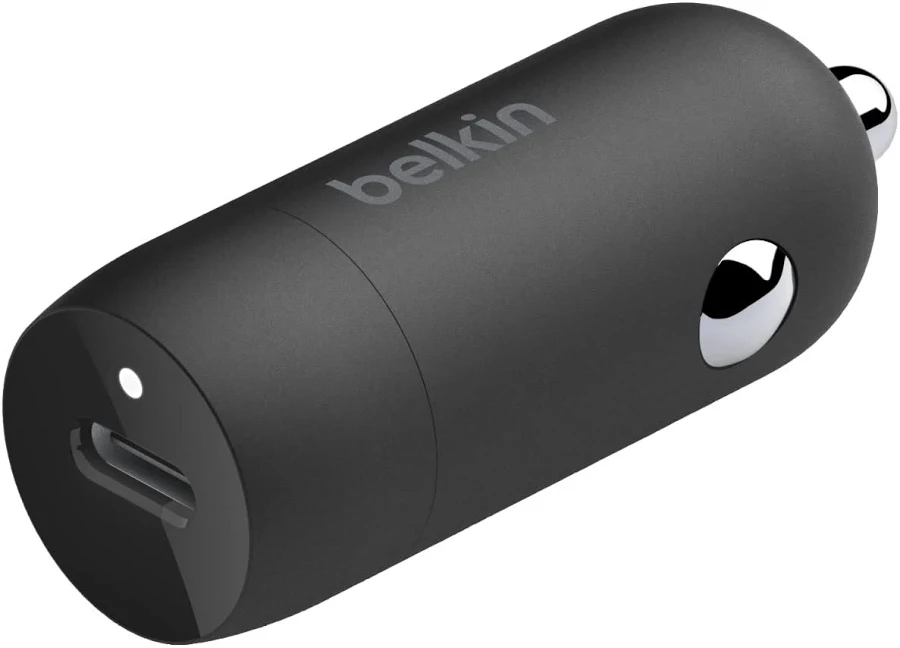
When purchasing a car charger in Australia, timing your acquisition can yield significant savings. Key retail events such as the End of Financial Year (EOFY) sales in June, Click Frenzy in May and November, Black Friday in late November, and the Boxing Day sales in December offer the best opportunities to secure premium chargers at reduced prices. When evaluating specifications, prioritise chargers that support Power Delivery (PD) or Quick Charge (QC) protocols, as these ensure compatibility with modern fast-charging devices. Ensure the charger is rated for the Australian 12V/24V vehicle power systems, which are standard in passenger cars and trucks respectively. A common pitfall is purchasing low-quality, uncertified chargers that may lack surge protection or fail to deliver the advertised wattage, potentially damaging sensitive battery management systems. In the Australian climate, heat dissipation is critical; look for chargers with robust casing and thermal protection features to prevent overheating during long summer road trips. Always verify that the device meets Australian electrical safety standards, often indicated by the RCM (Regulatory Compliance Mark) tick, to ensure the product is safe for use in your vehicle.
A standard car charger typically provides 5W to 12W of power, which is sufficient for older devices but slow for modern smartphones. A fast charger, often labelled with Power Delivery (PD) or Quick Charge (QC) technology, can output 20W, 30W, or even 60W+. These chargers communicate with your device to deliver the maximum safe voltage and current, significantly reducing charging time. In Australia, look for chargers that support the USB-C PD standard, as this is the current industry benchmark for fast-charging laptops, tablets, and the latest smartphone models.
Not all cheap car chargers are safe. In Australia, electrical products should ideally carry the Regulatory Compliance Mark (RCM). Uncertified or 'grey market' chargers often lack essential safety features like over-voltage protection, short-circuit prevention, and thermal management. Using a low-quality charger can lead to the device overheating, blowing a vehicle fuse, or in extreme cases, damaging your phone's battery or the vehicle's electrical system. It is always safer to purchase from reputable Australian retailers that stock products meeting local safety standards.
No, a high-wattage charger will not damage your phone. Modern smartphones and tablets are equipped with internal power management chips that regulate the intake of electricity. Even if you use a 60W charger, your phone will only draw the amount of power it is designed to handle. The charger and the device 'handshake' to determine the optimal charging speed. Using a high-wattage charger is actually beneficial, as it ensures your device charges at its maximum potential speed without taxing the charger to its limit.
While you do not need a charger exclusively branded for Apple, you do need one that supports the correct protocols. iPhones require a charger that supports USB-C Power Delivery (PD) to achieve 'fast charging' speeds. If you are using an older iPhone, you may need a USB-C to Lightning cable, whereas the iPhone 15 series and newer require a USB-C to USB-C cable. Ensure the charger has a USB-C port rather than the older USB-A port to take advantage of modern fast-charging capabilities.
Most modern car chargers are designed to be 'dual voltage,' meaning they are compatible with both 12V systems (standard passenger cars) and 24V systems (trucks, buses, and some 4WDs). Before purchasing, check the product packaging or the specifications printed on the device itself. If the label states 'Input: 12V-24V,' it is safe to use in both vehicle types. However, if a charger is strictly rated for 24V only, it will not function correctly in a 12V car and should not be used.