

- Category
- Portable Power Stations
- Country
- Australia
- Catalogue products
- 25
- Products with prices
- 23
- Retailer count
- 8
- Min price (AUD)
- $24.99
- Max price (AUD)
- $1312.00
Portable Power Stations in Australia
25 products in the catalogue · 23 with prices across 8 retailers from $25 to $1312.
Portable power stations in Australia typically range from $300 for entry-level models to over $5,000 for high-capacity off-grid systems. You can find these units stocked at major retailers including JB Hi-Fi, Bunnings Warehouse, and Anaconda. Whether you are preparing for a camping trip in the Outback or securing backup power for your home, understanding the price fluctuations of these devices is essential for making an informed purchase. By aggregating real-time pricing from across the country, we provide a transparent view of the market, allowing you to compare current costs against historical data. At WhatsCheap, our primary goal is to simplify your search by offering comprehensive price comparison tools and detailed price history charts. This ensures that you never pay more than necessary for your portable energy needs. By monitoring price trends and retailer discounts, we help you identify the optimal time to buy, saving you time and money while you navigate the diverse range of power solutions available on the Australian market today.Read portable power station buying guideHide portable power station buying guide
Top Portable Power Stations Products
View All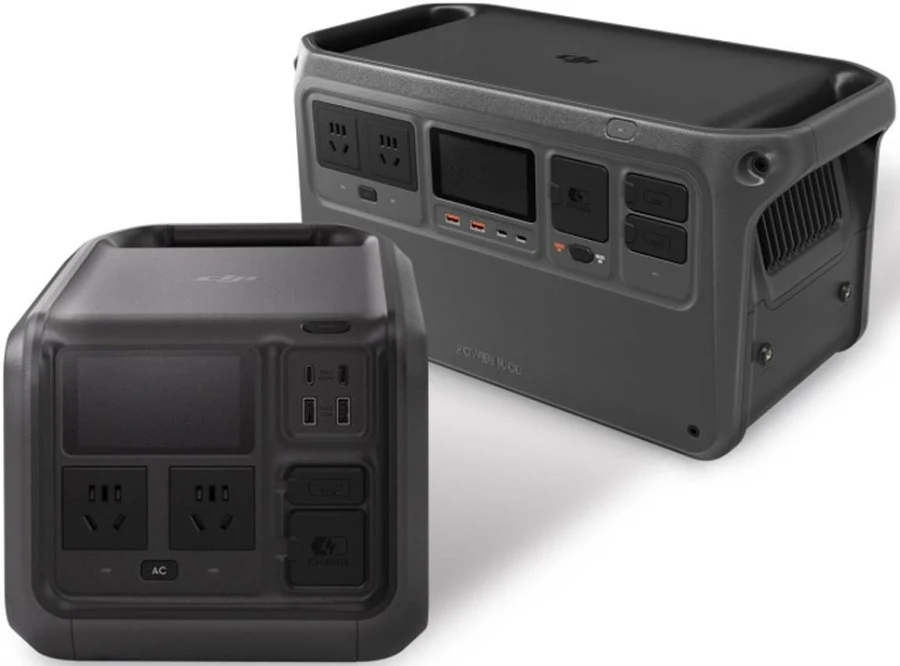
DJI Power 1000 Portable Power Station, 1024Wh LFP (LiFePO4) Battery, 70-Minute Fast Charging, 2200W Stable Output, Power Generator for Home, Camping & RVs, Off-grid, Power Outage
4.6(79)
From
$659.00
Across 13 retailers


Maxim Tyre Pump With Cord
4.2(12)
From
$27.00
Across 12 retailers

Altius Tyre Inflater
0.0(3)
From
$70.10
Across 12 retailers


Ecoflow 160W Solar Panel / Solar Blanket
4.5(363)
From
$398.00
Across 12 retailers

Ecoflow 400W Solar Panel/Solar Blanket
4.6(182)
From
$1188.50
Across 12 retailers


Ecoflow 12W Power Hat (L-XL)
4.6(19)
From
$99.00
Across 10 retailers


ANKER 531 Solar Panel (200W)
4.5(79)
From
$649.00
Across 5 retailers


Victron Energy SmartSolar MPPT 12/24-Volt 50 amp 100 PV Input Solar Charge Controller (Bluetooth)
No reviews yet
Price unavailable
No retailer prices yet
Australian Market Context
According to the IBISWorld industry report on consumer electronics retailing in Australia, the demand for portable energy solutions has seen a significant uptick, with the market growing as consumers prioritize energy independence and outdoor recreation. The sector is heavily influenced by seasonal cycles, with peak demand occurring during the summer months from December to February, coinciding with the peak camping and caravanning season. Retailers often adjust their inventory levels in anticipation of these warmer months, leading to increased promotional activity in late spring. Furthermore, the rise in remote work and the increasing frequency of extreme weather events have shifted consumer behavior, moving portable power stations from niche camping gear to essential household emergency equipment. Market data suggests that the Australian consumer is becoming increasingly tech-savvy, often comparing capacity in watt-hours (Wh) and output in watts (W) before committing to a purchase. This shift toward informed consumption is supported by a robust retail landscape where competition between specialized outdoor stores and general electronics retailers keeps pricing dynamic throughout the fiscal year.
Where to Buy Portable Power Stations — Price Comparison
| Retailer | Products tracked | Price range |
|---|---|---|
| eBay | 12 | $48.99 – $999.00 |
| Woolworths | 6 | $27.00 – $1312.00 |
| Kogan.com | 5 | $58.17 – $581.49 |
| Harvey Norman | 5 | $49.00 – $1299.95 |
| Anaconda | 4 | $24.99 – $1299.00 |
| JB Hi-Fi | 4 | $30.00 – $499.00 |
| BIG W | 4 | $27.00 – $1312.00 |
| Dick Smith AU | 4 | $58.75 – $581.49 |
Buying Portable Power Stations in Australia: What to Know
When purchasing a portable power station in Australia, it is critical to ensure the unit meets local electrical standards, specifically 230V/50Hz output for AC appliances. Buyers should prioritize units with LiFePO4 battery chemistry for longer cycle life and better thermal stability, which is vital given Australia's harsh summer temperatures. To secure the best price, timing your purchase around major Australian retail events is essential. Look for significant discounts during the End of Financial Year (EOFY) sales in June, Click Frenzy events in May and November, Black Friday in late November, and the traditional Boxing Day sales in December. A common pitfall is ignoring the weight-to-capacity ratio; ensure the unit is portable enough for your specific use case, whether that is a weekend camping trip or a permanent caravan setup. Always check if the unit supports solar input compatible with standard Australian solar panel connectors like MC4. Avoid purchasing grey-market imports that may lack Australian safety certifications or local warranty support, as these can pose fire risks and offer no recourse if the unit fails during operation.
Common Questions
Are portable power stations legal to use in Australia?
Yes, portable power stations are legal to use in Australia provided they meet the relevant electrical safety standards. It is important to ensure that any device you purchase carries the Regulatory Compliance Mark (RCM), which indicates that the product complies with Australian and New Zealand electrical safety and electromagnetic compatibility requirements. Using non-compliant imported units can be dangerous and may void your home insurance policy in the event of an electrical fire or equipment failure.
What capacity power station do I need for camping in Australia?
The capacity you require depends on your specific energy needs. For charging smartphones and cameras, a 300Wh to 500Wh unit is usually sufficient. If you intend to run a 12V portable fridge, a CPAP machine, or small kitchen appliances, you should look for a capacity of at least 1,000Wh to 2,000Wh. Always calculate the total wattage of your appliances and multiply by the number of hours you intend to run them to determine the minimum watt-hour capacity necessary for your trip.
Can I charge a portable power station using solar panels?
Most modern portable power stations available in Australia are designed to be charged via solar panels. Most units feature a built-in Maximum Power Point Tracking (MPPT) charge controller, which optimizes the energy harvested from solar panels. Ensure that your solar panels' voltage and current output fall within the input specifications of your power station. Most Australian-sold units use standard MC4 connectors, making them compatible with a wide range of portable and fixed solar panels found at local outdoor retailers.
How long do portable power station batteries last?
The lifespan of a portable power station depends heavily on the battery chemistry. Units using Lithium Iron Phosphate (LiFePO4) batteries typically offer 2,000 to 3,500 charge cycles before the capacity drops to 80% of its original state. Older Lithium-ion (NMC) batteries generally offer 500 to 800 cycles. If you use your power station daily, a LiFePO4 unit is a much better long-term investment. Proper storage, such as keeping the unit in a cool, dry place and maintaining a 50% charge when not in use, will also extend its lifespan.
Can I run a standard Australian fridge on a portable power station?
You can run a standard fridge, but it depends on the power station's continuous AC output rating and the fridge's power consumption. A standard household fridge often has a high 'surge' requirement when the compressor starts, sometimes exceeding 1,000W. You must ensure your power station's surge wattage rating is higher than the fridge's starting load. Additionally, running a large household fridge will drain most portable power stations very quickly, so it is generally more practical to use a dedicated 12V portable camping fridge.